
Soft-luxury living

Category: food

  • German Soft Pretzels: Golden, Chewy and Beer-Hall Ready

    German Soft Pretzels: Golden, Chewy and Beer-Hall Ready

    A proper Bavarian pretzel is a study in contrast: deep mahogany, faintly bitter crust over a soft, chewy white interior, studded with crunchy salt. It is beer-hall architecture you can make in a home kitchen, and the secret to that unmistakable crust is not the shape: it is the alkaline dip.

    The dough

    • Flour, water, yeast, a spoon of malt syrup or brown sugar, salt and soft butter
    • Kneaded firm and smooth: pretzel dough is stiffer than bread dough
    • One slow rise, then divided and rolled into long tapered ropes

    Shape, dip, bake

    1. Roll each rope thick in the belly, thin at the arms, and twist into the classic knot.
    2. Chill the shaped pretzels uncovered 30 minutes: a dry skin dips cleanly.
    3. Dip in the alkaline bath (see below), sprinkle with coarse salt, and slash the fat belly.
    4. Bake hot, 220°C, until deep brown, about 15 minutes.

    The baked-soda trick

    Bavarian bakers use lye: home cooks get remarkably close with baked baking soda. Spread soda on a foil-lined tray, bake it at 150°C for an hour, and it becomes a stronger alkali: dissolved in water, it browns the crust and delivers that signature pretzel tang. Handle with a spoon and gloves, and dip each pretzel for 20 seconds a side.

    Serving, beer-hall style

    Tear and dip in sweet Bavarian mustard, or split and butter in the Austrian style, and if there is obatzda, the paprika-camembert spread, on the table, guard your share. Pretzels are best warm the day they are baked, but revive beautifully with three minutes in a hot oven. Bake a batch and the kitchen smells like Oktoberfest kept its promises.

    Save this beer-hall classic, and twist through more world recipes on Plumeo. Daily inspiration at @Plumeoblog.
  • Pastel de Nata: Portugal’s Perfect Custard Tart

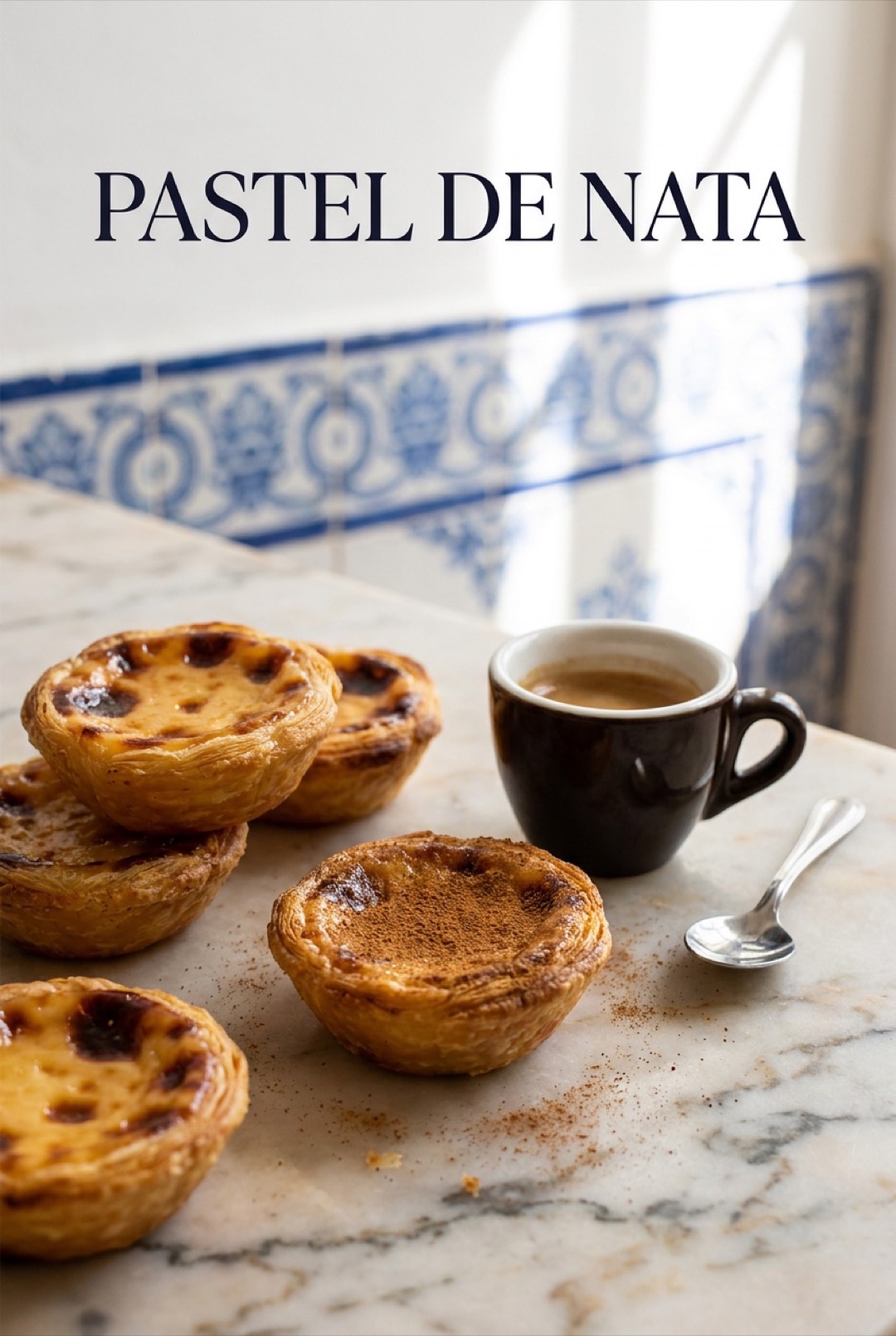
    Pastel de Nata: Portugal’s Perfect Custard Tart

    The pastel de nata is Portugal’s edible monument: a shatteringly crisp spiral of pastry holding silky custard, its top blistered dark from a ferociously hot oven. Born in a Lisbon monastery two centuries ago, it is best eaten warm with cinnamon and an espresso, ideally standing up, planning your second one.

    The two components

    • Pastry: laminated dough rolled into a log and sliced, so each cup bakes into crisp spirals: all-butter puff pastry is the honest home shortcut
    • Custard: a cooked sugar syrup whisked into milk, flour and yolks, scented with lemon peel and cinnamon stick

    The method

    1. Press pastry slices into muffin tins, spiraling the layers up the sides with wet thumbs.
    2. Make the syrup (sugar, water, lemon, cinnamon), then whisk into the milk-flour base and temper in the yolks.
    3. Fill the cups three-quarters full: custard rises.
    4. Bake at the hottest your oven goes, 250°C or more, for 10 to 12 minutes until the tops blister black-gold.
    5. Cool briefly in the tin, dust with cinnamon, eat warm.

    Why heat is everything

    Lisbon’s famous bakeries fire their ovens past 400°C: the violent heat sets the custard before it can soufflé and chars the sugar surface into the signature leopard spots. Home ovens cannot match it, but maxed out with a preheated tray, they get close. Resist baking longer at lower heat: pale, evenly-set custard is a different (lesser) dessert.

    The Lisbon ritual

    In Portugal the nata comes with a shot of strong coffee and a shake of cinnamon, and nobody eats just one: they are small by design and by mercy. The tarts are best the day they are baked, crisp against silk, but the unfilled pastry cups and custard both keep overnight, so tomorrow’s batch can be ready in fifteen minutes.

    Save this little Portuguese wonder, and bake through more world recipes on Plumeo. Daily inspiration at @Plumeoblog.
  • Spanish Paella: The Saffron Rice Classic Done Right

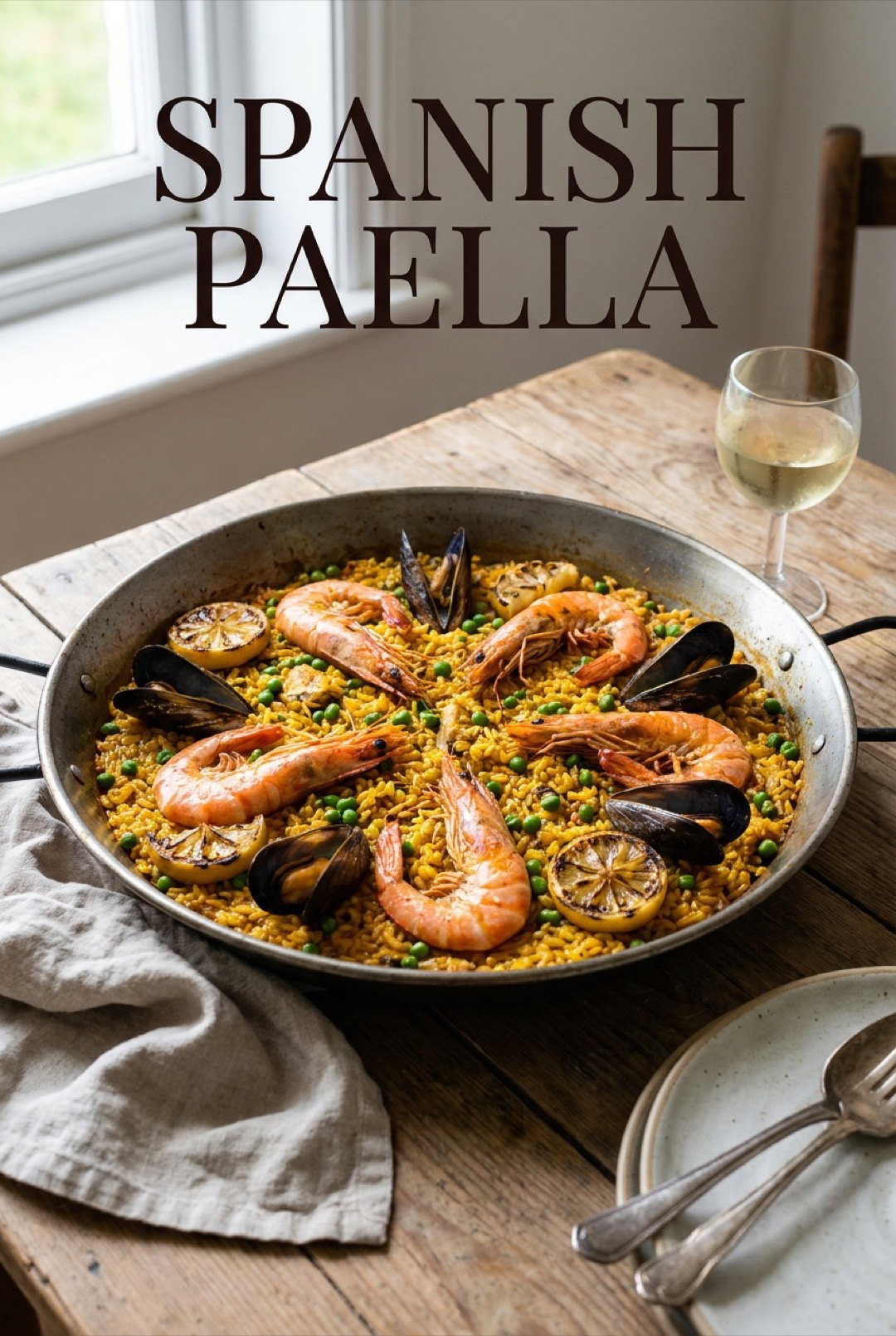
    Spanish Paella: The Saffron Rice Classic Done Right

    Paella is Spain in a pan: saffron-gold rice, sweet prawns, briny mussels and the crackling toasted layer at the bottom that Spaniards prize above everything else. It looks like restaurant theatre, but the method is honest home cooking, one wide pan, one gentle simmer, and the discipline to stop stirring.

    What you need

    • Short-grain rice, bomba if you can find it, arborio in a pinch
    • A generous pinch of saffron threads steeped in warm stock
    • Prawns, mussels and squid, or chicken and beans for the Valencian route
    • Onion, garlic, grated tomato and smoked paprika for the sofrito
    • The widest, shallowest pan you own

    The method in five moves

    1. Cook the sofrito slowly until it darkens and sweetens: this is the flavour base.
    2. Toast the rice in the sofrito for a minute so every grain is coated.
    3. Pour in hot saffron stock, arrange the seafood on top, and do not stir again.
    4. Simmer 18 minutes, rotating the pan for even heat.
    5. Finish on high for one minute to form the socarrat, then rest under a tea towel.

    The socarrat secret

    The caramelised crust at the bottom, the socarrat, is the whole point of paella for many Spaniards. It forms in the final minute of cooking when the liquid is gone and the heat is high: listen for a faint crackle, smell for toasted rice, and pull the pan before toast becomes burn. Serve straight from the pan with lemon wedges, and scrape the bottom shamelessly.

    Make it yours

    Purists argue about paella the way other people argue about politics, but the pan is forgiving: swap in chicken and rosemary, keep it all-vegetable with artichokes and beans, or go full mariscos with whatever the fishmonger has. The constants are good stock, real saffron and patience with the crust: everything else is regional opinion.

    Save this recipe for your next gathering, and travel through more world recipes on Plumeo. Daily inspiration at @Plumeoblog.
  • Greek Moussaka: The Golden-Topped Layered Classic

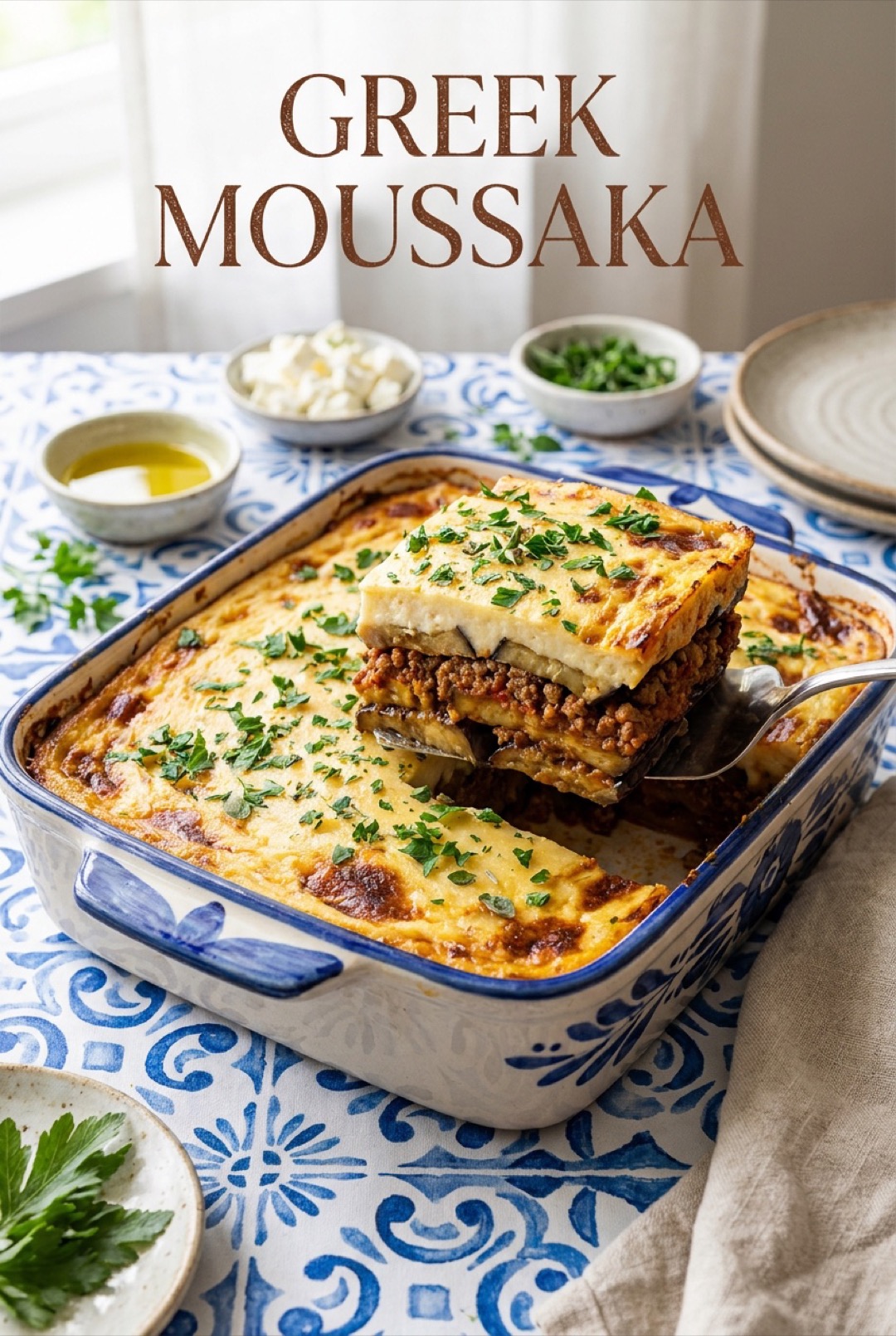
    Greek Moussaka: The Golden-Topped Layered Classic

    Moussaka is Greece’s grand casserole: silky roasted aubergine, a tomato-lamb sauce warmed with cinnamon, and a thick cloud of béchamel baked to a golden dome. It is unapologetically a project dish, three components, one glorious assembly, and precisely the kind of cooking that makes a Sunday feel like an occasion.

    The three layers

    • Aubergine: thick slices, salted, then roasted or lightly fried until golden and collapsed
    • Meat sauce: lamb or beef with onion, garlic, tomato, red wine, cinnamon, allspice and oregano, simmered until thick
    • Béchamel: a proper thick one, enriched with egg yolks and a handful of grated cheese so it sets like custard

    Assembly and baking

    1. Layer half the aubergine in an oiled dish, then all the meat sauce.
    2. Add the remaining aubergine, pressing gently flat.
    3. Pour the béchamel over in a thick, even blanket.
    4. Dust with cheese and bake at 180°C for 45 minutes until burnished.
    5. Rest 30 minutes before slicing, the non-negotiable step.

    Why the rest matters

    Straight from the oven, moussaka slumps into delicious lava. Half an hour of rest lets the layers set so each slice stands tall and shows its strata, aubergine, ruddy meat, pale gold crown. Greek grandmothers serve it warm, not hot, often insisting it tastes best the next day, and they are, as usual, correct.

    Rounding out the table

    All moussaka needs is a sharp Greek salad, cold tomatoes, cucumber, feta and olives dressed with oil and oregano, and perhaps a glass of red. It reheats brilliantly and freezes in portions, making it the rare showpiece that doubles as meal prep. One tray, and the week suddenly looks Mediterranean.

    Save this layered classic, and taste more world recipes on Plumeo. Daily inspiration at @Plumeoblog.
  • Hungarian Goulash: The Original Paprika Comfort Stew

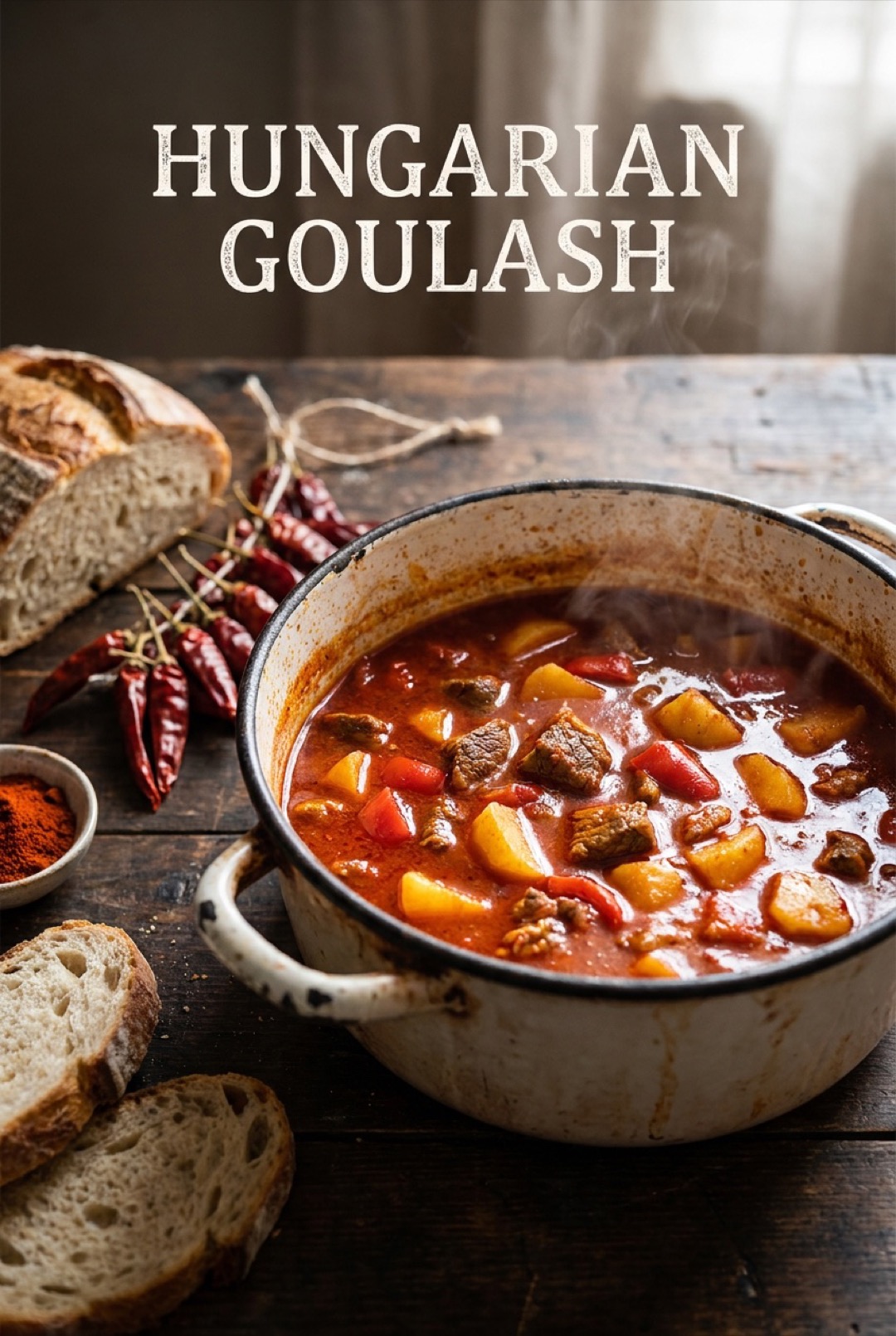
    Hungarian Goulash: The Original Paprika Comfort Stew

    Real Hungarian gulyás is not the flour-thickened brown stew that borrowed its name abroad: it is a soulful, brick-red soup-stew where beef, onions and sweet paprika do all the work. Born over herdsmen’s fires on the Hungarian plain, it needs only patience, a heavy pot and shameless quantities of good paprika.

    What matters most

    • Paprika: genuine Hungarian sweet paprika, fresh and fragrant, several tablespoons, not a shy teaspoon
    • Beef: shin or chuck, cut chunky, collagen is flavour
    • Onions: equal in weight to half the beef, cooked to sweetness
    • Supporting cast: caraway seeds, garlic, tomato, peppers and waxy potatoes

    The method

    1. Sweat the onions slowly in lard or oil until golden and collapsing.
    2. Pull the pot OFF the heat, stir in the paprika for ten seconds, burnt paprika turns bitter, this step is sacred.
    3. Add beef, caraway, garlic and tomato: stir until coated and sizzling.
    4. Cover with water, simmer gently 90 minutes.
    5. Add potatoes and peppers: cook 30 minutes more until everything is tender.

    Soup or stew: the consistency question

    In Hungary gulyás leans brothy, eaten with a spoon and hunks of white bread, while its cousin pörkölt is the thicker braise served over dumplings. Let yours settle where you like it: the potatoes lend body naturally, and a longer simmer concentrates the broth. Whatever you do, resist flour: paprika-stained broth should shine, not coat.

    Finishing touches

    A few csipetke, pinched egg-dough dumplings simmered in the pot, make it fully traditional, and a dollop of sour cream is welcome heresy. Like every great stew it improves overnight, making goulash the rare dish that rewards cooking a day early. Serve steaming, with crusty bread and, ideally, snow outside the window.

    Save this hearty classic, and simmer through more world recipes on Plumeo. Daily inspiration at @Plumeoblog.
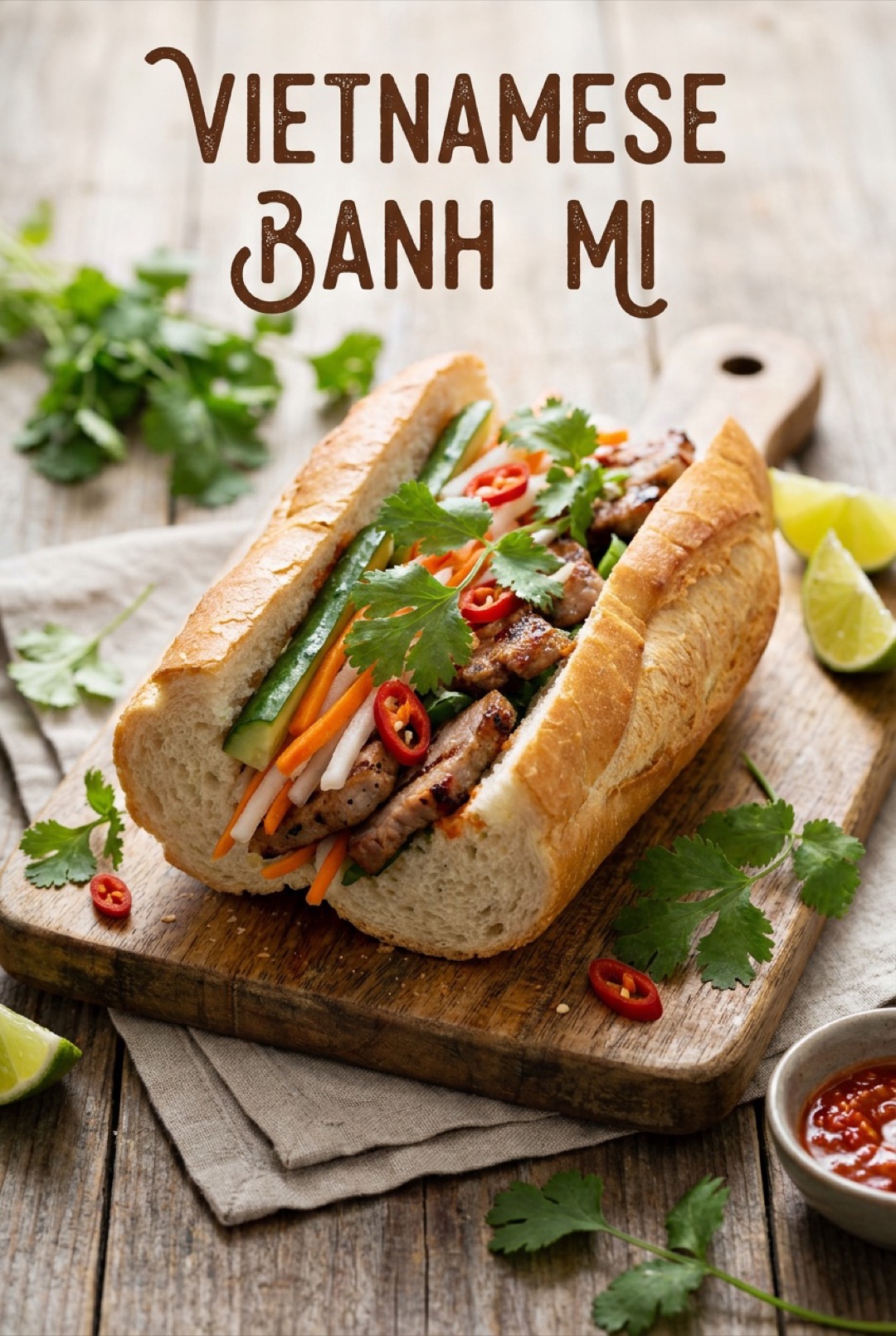
  • Banh Mi: Vietnam’s Perfect Sandwich, Built at Home

    Banh Mi: Vietnam’s Perfect Sandwich, Built at Home

    The banh mi is what happens when a French baguette moves to Saigon and learns everything: crackling bread stuffed with savoury grilled pork, bright quick pickles, cool cucumber, hot chili and a fistful of coriander. It is a complete flavour argument, rich, sour, fresh, spicy, crunchy, in one handheld package.

    The essential layers

    • Bread: a light, crisp-crusted baguette, airy inside, never dense sourdough
    • Protein: thin pork slices in a lemongrass-garlic-fish sauce marinade, grilled or pan-seared
    • Do chua: carrot and daikon quick-pickled in rice vinegar and sugar
    • The spreads: pate on one side, mayonnaise on the other, both traditional
    • The fresh crew: cucumber spears, coriander sprigs, sliced chili, a splash of Maggi or soy

    Build order matters

    1. Split the warm baguette without cutting through: it should hinge.
    2. Spread pate below, mayo above.
    3. Layer pork, then drained pickles, cucumber, chili and a thicket of coriander.
    4. Season with Maggi, press gently, and eat within the hour: banh mi waits for no one.

    The pickle that powers it

    Do chua takes ten minutes: matchstick carrots and daikon, massaged with salt, then steeped in equal parts rice vinegar, water and sugar. It keeps for weeks in the fridge and upgrades everything, rice bowls, grilled meats, noodle salads, so make a big jar. Its sharp crunch against rich pork and mayo is the entire architecture of the sandwich.

    Endless variations

    Saigon street stalls fill banh mi with everything: lemongrass chicken, crispy tofu, fried egg for breakfast, cold cuts in the classic dac biet. The formula forgives any protein as long as the bread crackles and the pickle bites. Master it once and sandwich mediocrity becomes a foreign country you never revisit.

    Save the world’s best sandwich, and stack up more world recipes on Plumeo. Daily inspiration at @Plumeoblog.
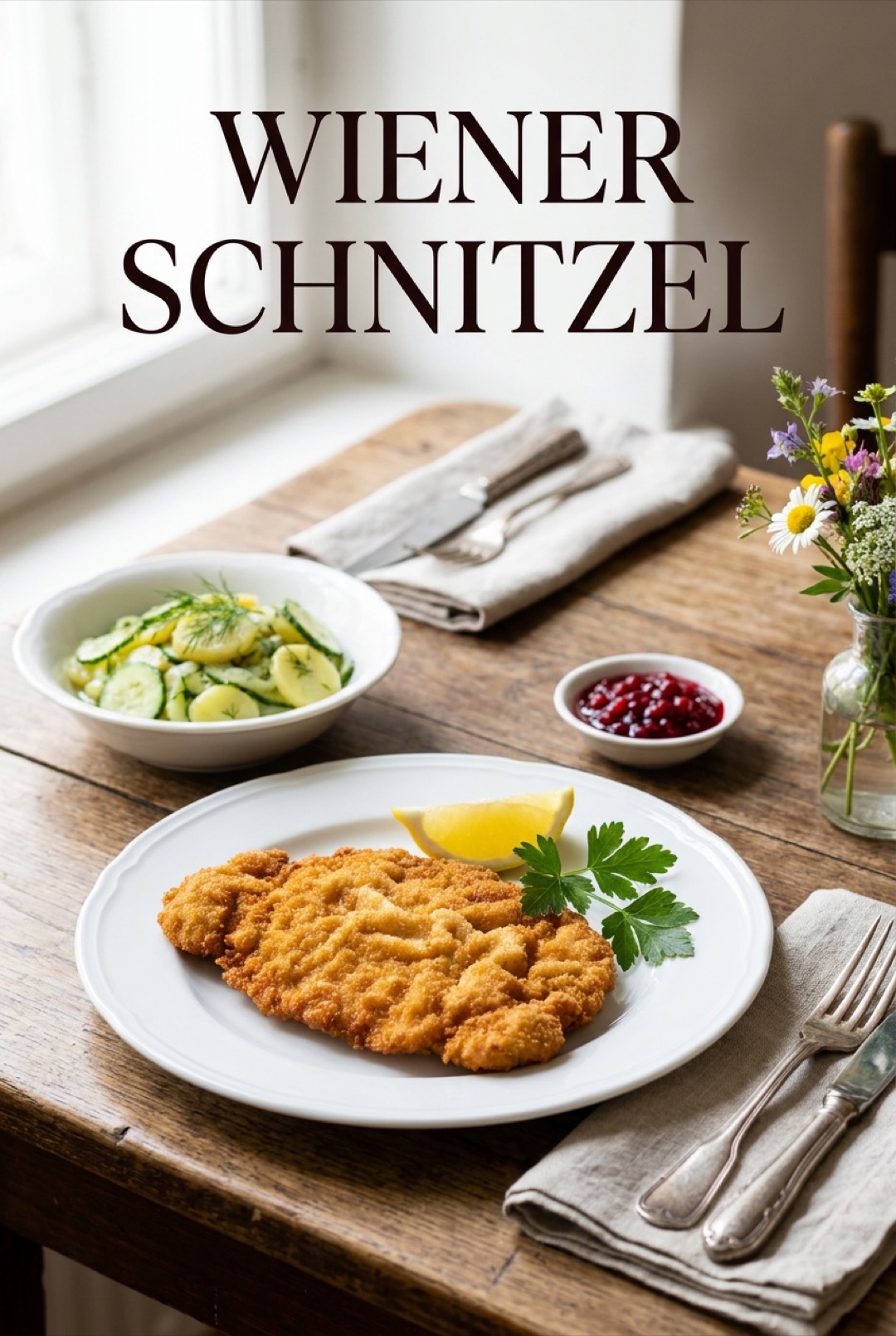
  • Wiener Schnitzel: The Crispiest Cutlet in Europe

    Wiener Schnitzel: The Crispiest Cutlet in Europe

    A true wiener schnitzel is a small miracle of texture: a cutlet pounded thin as a magazine, wrapped in a golden crust so light it puffs away from the meat in waves. Vienna has codified every step, and the good news is that none of them is difficult, the technique is simply precise, and worth doing exactly right.

    The classic setup

    • Veal escalopes traditionally: pork or chicken make excellent everyday versions
    • Flour, beaten eggs with a splash of cream, and fine fresh breadcrumbs
    • Neutral oil with a knob of butter, or clarified butter for the full Viennese experience
    • Lemon wedges, always

    The technique

    1. Pound the meat between plastic to 4mm, even and thin.
    2. Flour, egg, crumbs: press the crumbs on only lightly, never compact them.
    3. Fry in a generous depth of fat at 170°C: the schnitzel should float, not touch the pan.
    4. Shake the pan in gentle circles so hot fat washes over the top: this is what makes the crust soufflé.
    5. Ninety seconds a side to deep gold, then straight onto paper.

    The pan-shake secret

    The rippled, billowing crust that separates Vienna’s schnitzel from every flat imitation comes from movement: the swirling fat steams the coating from inside, lifting it off the meat. Loose crumbs plus swimming fat plus the shake, that is the entire secret, and it works the very first time you try it.

    Serving it properly

    Tradition says a cucumber-dill potato salad, a spoon of lingonberry preserve and a wedge of lemon, and tradition is right: anything heavier fights the delicacy of the crust. Serve immediately while the coating still crackles: schnitzel waits for no one, and no one should have to wait for schnitzel.

    Save this crispy classic, and crunch through more world recipes on Plumeo. Daily inspiration at @Plumeoblog.
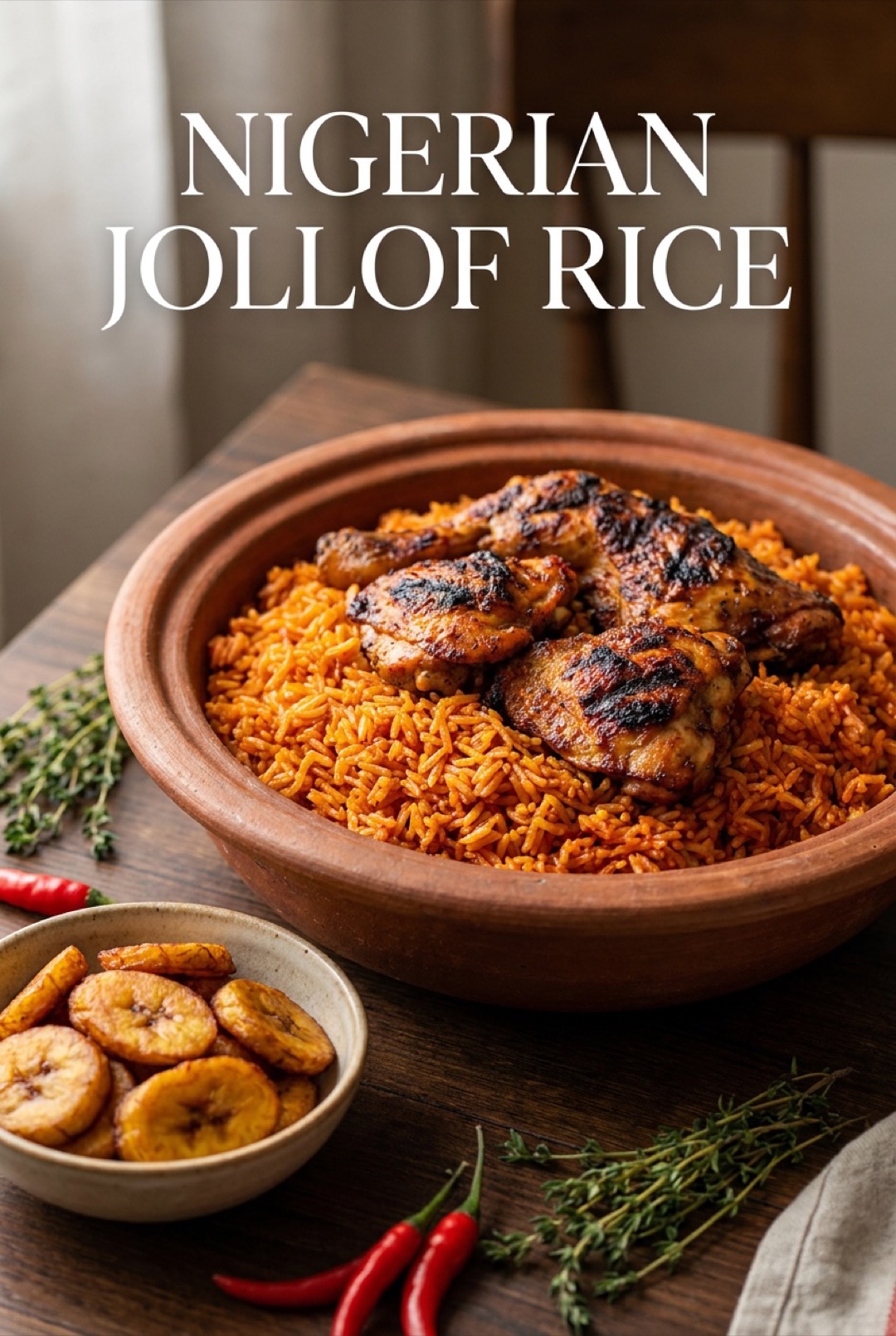
  • Nigerian Jollof Rice: The One-Pot Party Legend

    Nigerian Jollof Rice: The One-Pot Party Legend

    Jollof rice is West Africa’s most celebrated dish and the subject of its friendliest war: Nigeria, Ghana and Senegal all claim the best version. The Nigerian rendition, long-grain rice simmered in a smoky blend of tomatoes, red peppers and scotch bonnet, is party food in its highest form, cooked in vast pots and never quite enough.

    The flavour base

    • Fresh tomatoes, red bell peppers and scotch bonnet, blended smooth
    • Tomato paste, fried until it darkens and sweetens
    • Onions, plenty, plus curry powder, thyme and bay leaves
    • Good chicken or beef stock, the invisible engine of great jollof
    • Long-grain parboiled rice, rinsed until the water runs clear

    The method

    1. Reduce the blended tomato-pepper mix until thick: watery sauce makes soggy jollof.
    2. Fry the tomato paste and onions in oil until deep red and fragrant.
    3. Add the reduction, spices and stock: simmer into a rich sauce.
    4. Stir in the rice, cover with foil then the lid, and cook low until tender.
    5. Let the bottom layer toast slightly: that smoky base note is the badge of proper party jollof.

    The smoky secret

    The flavour Nigerians chase is “party rice”: the gentle smokiness that comes from big pots over open flames, where the bottom layer catches just a little. At home, letting the pot sit on medium heat a few extra minutes at the end, until you smell toast, not burn, recreates it. The foil under the lid traps steam so the top cooks evenly while the bottom crisps.

    Serving it right

    Jollof takes grilled chicken, fried plantains and a cold drink as its natural companions: coleslaw and moin moin round out the full party plate. It reheats beautifully and feeds any number, which is why no Nigerian celebration, wedding, birthday or Sunday, happens without it. Make more than you think you need: jollof disappears.

    Save this party legend, and cook through more world recipes on Plumeo. Daily inspiration at @Plumeoblog.
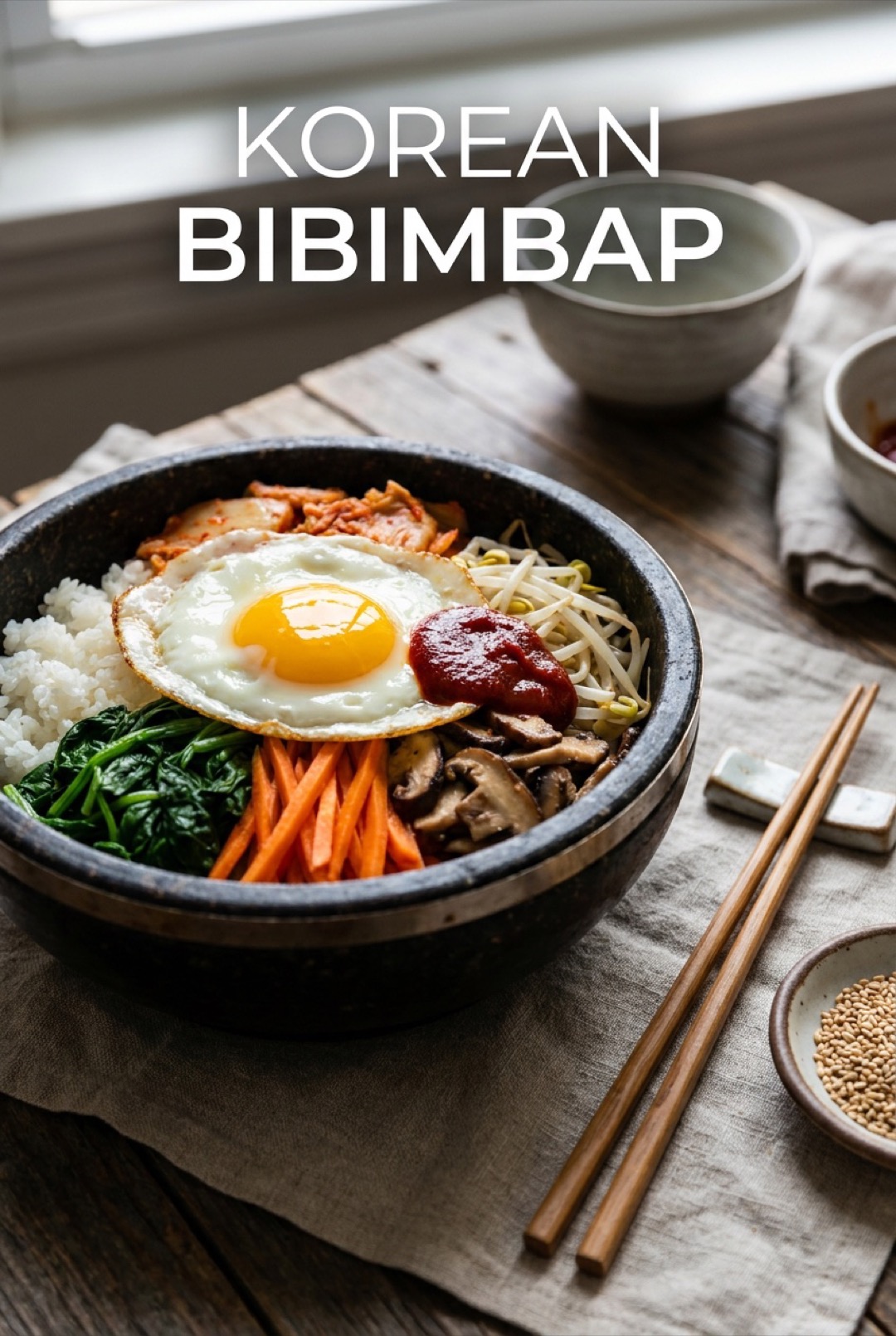
  • Korean Bibimbap: The Perfect Rice Bowl Formula

    Korean Bibimbap: The Perfect Rice Bowl Formula

    Bibimbap literally means mixed rice, but the beauty of Korea’s most famous bowl is that it arrives unmixed: neat wedges of seasoned vegetables, glossy marinated beef and a sunny fried egg arranged like a colour wheel over warm rice. You admire it for five seconds, then stir it into delicious chaos with a spoonful of gochujang.

    The components

    • Rice: short-grain, freshly steamed
    • Vegetables: spinach, carrots, mushrooms, bean sprouts and courgette, each quickly sautéed and seasoned separately with sesame oil, garlic and salt
    • Protein: thin-sliced beef in a soy-sesame-sugar marinade, or tofu for a vegetarian bowl
    • The crown: a fried egg with a runny yolk
    • The sauce: gochujang loosened with sesame oil and a little honey

    Why vegetables are seasoned separately

    The extra pans are the point: each vegetable keeps its own character, sweet carrot, earthy mushroom, nutty sprouts, so every mixed bite is layered instead of muddled. It sounds fussy but takes fifteen minutes in one pan wiped between batches, and the technique instantly upgrades any grain bowl you make afterwards.

    The dolsot upgrade

    Served in a scorching stone bowl, dolsot bibimbap, the bottom layer of rice toasts into a golden crust while the egg finishes cooking against the hot stone. No dolsot at home: heat a cast-iron pan, film it with sesame oil, press the assembled bowl in for two minutes and listen for the crackle. The crispy rice is worth the extra step every time.

    Mix and eat

    Add the sauce, break the yolk and stir everything until the rice turns terracotta red. Bibimbap forgives every substitution, leftover roast chicken, yesterday’s roasted vegetables, kimchi from the jar, which is why Korean home cooks treat it less as a recipe and more as the world’s most beautiful way to clear the fridge.

    Save this bowl formula, and explore more world recipes on Plumeo. Daily inspiration at @Plumeoblog.

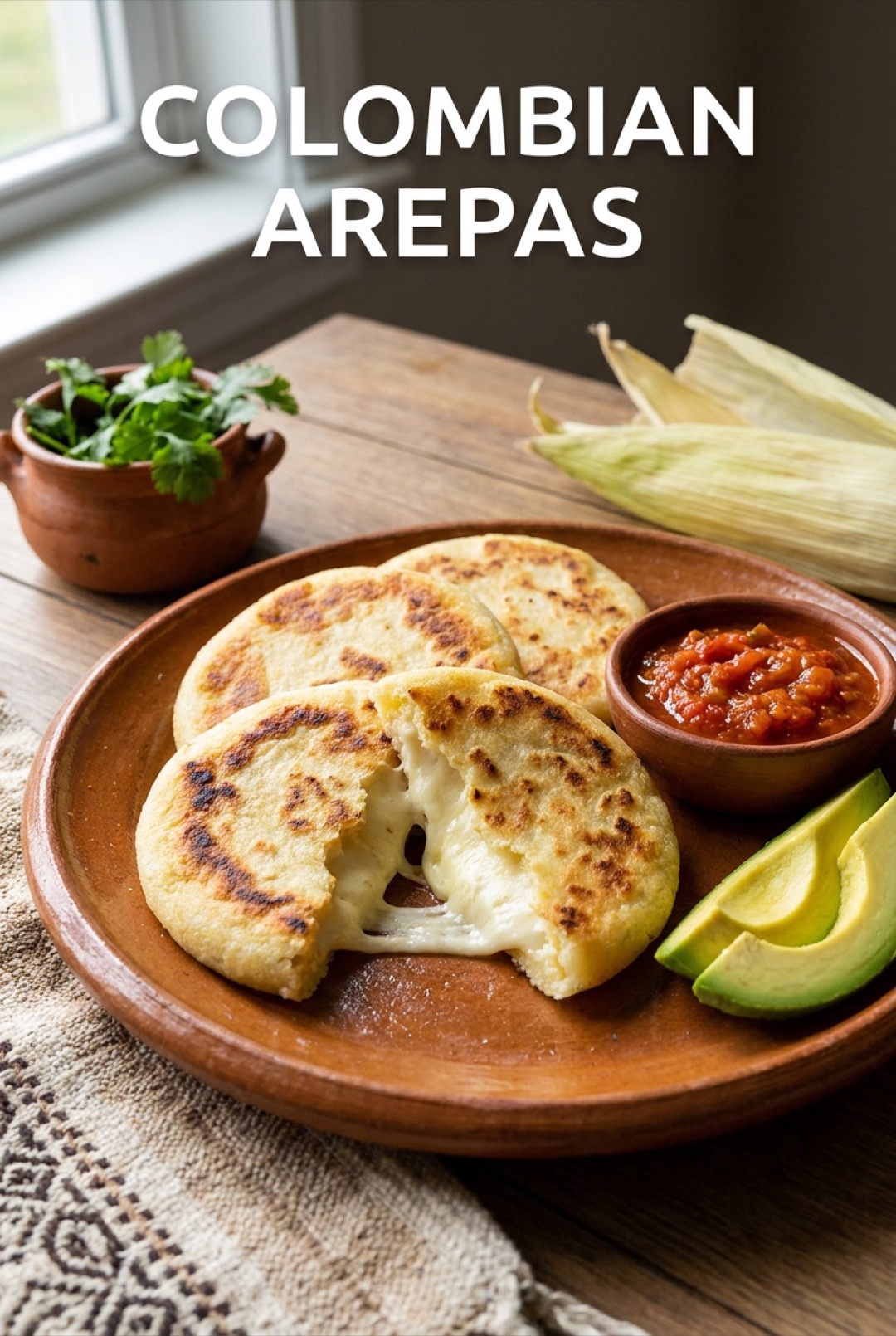
  • Colombian Arepas: The Golden Corn Cakes of the Andes

    Colombian Arepas: The Golden Corn Cakes of the Andes

    Arepas are Colombia’s daily bread: golden corn cakes with crisp griddled shells and soft, steamy centres, eaten at breakfast, lunch and midnight. Split and stuffed with melting cheese, or piled with avocado and hogao, they are three-ingredient cooking that delivers far beyond its maths.

    What you need

    • Masarepa: precooked white or yellow corn flour, the non-negotiable base (not cornmeal, not masa harina)
    • Warm water and salt
    • Butter for the griddle, and grated melting cheese, mozzarella stands in for queso costeño

    The method

    1. Mix masarepa, salt and warm water into a soft dough: rest five minutes.
    2. Shape palm-size discs about 1cm thick, smoothing cracked edges with wet fingers.
    3. Griddle in a little butter over medium heat, five minutes a side, until golden and speckled.
    4. For arepas de queso: split while hot, stuff with cheese, and return to the pan until molten.

    Hogao, the essential sauce

    Hogao is Colombia’s tomato-scallion sofrito: tomatoes and scallions cooked down slowly in oil with garlic and cumin until jammy. Spooned warm over a split arepa, ideally with avocado and a fried egg, it turns the corn cake into a complete meal. Make double: it keeps a week and improves everything from rice to eggs.

    A formula, not a recipe

    Across Colombia and Venezuela arepas carry everything: shredded beef, black beans, chicken and avocado, or nothing but butter and salt. The cakes freeze beautifully raw or cooked, reheating on the griddle in minutes, which makes a batch of arepas the most useful thing a corn-loving kitchen can bank. Master the dough once and breakfast is solved indefinitely.

    Save these golden cakes, and griddle through more world recipes on Plumeo. Daily inspiration at @Plumeoblog.