Soft-luxury living

Category: Travel

Dreamy destinations and travel escapes.

  • Petra, Jordan: Walking Into the Rose-Red City

    Petra, Jordan: Walking Into the Rose-Red City

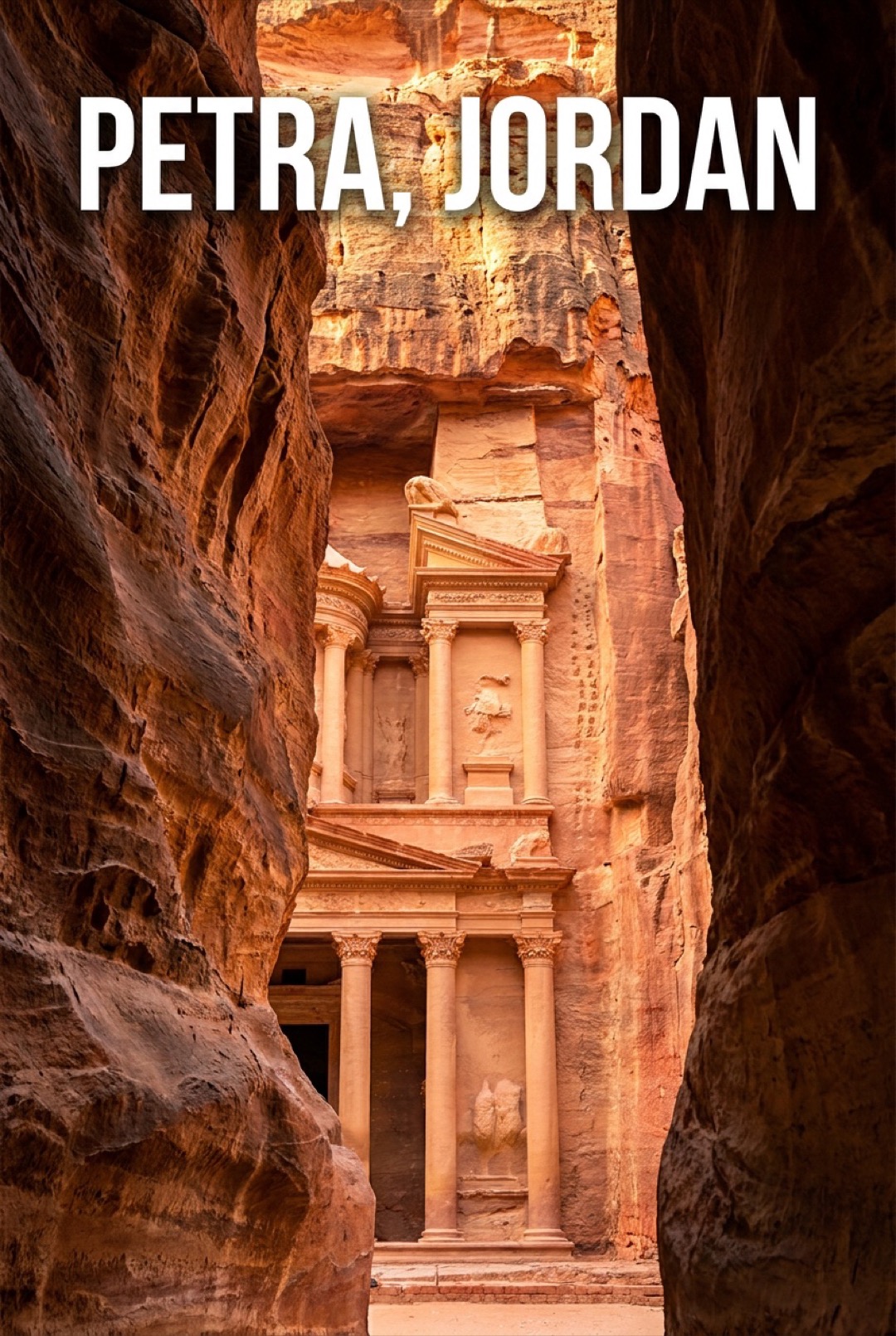
    No arrival in travel beats Petra’s: a kilometre through the Siq, a candle-thin canyon of swirling rose stone, until the walls part and the Treasury’s carved columns blaze in front of you. The Nabataeans cut an entire city into these cliffs two thousand years ago, and it still stuns on sight.

    The essential route

    1. Enter at opening time and walk the Siq in early light.
    2. Meet the Treasury before the crowds, then continue past the Street of Facades and the theatre.
    3. Climb the 850 steps to the Monastery, Petra’s biggest facade, in the afternoon.
    4. Finish with sunset from the High Place of Sacrifice.

    Worth knowing

    • The Jordan Pass bundles visas and Petra tickets, cheaper for almost every visitor
    • Two days beat one: the site is vast and the light changes everything
    • Petra by Night, candles filling the Siq and Treasury plaza, runs three evenings a week
    • Wear real shoes: the trails are stone, sand and stairs

    The view most people miss

    The famous Treasury-from-above photograph comes from the Al-Khubtha trail: a signed staircase route past the Royal Tombs that ends on a ledge looking straight down into the plaza. It adds ninety minutes and repays them tenfold, both for the view and for the quiet at the top.

    Pairing the trip

    Petra sits perfectly between Wadi Rum’s Mars-red desert, an hour south, sleep in a camp under the stars, and the Dead Sea’s float-and-do-nothing shores to the north. A week covers all three, which is why Jordan punches so far above its size for travellers. Spring and autumn bring the kind weather.

    Save this wonder for your list, and trek through more travel guides on Plumeo. Daily inspiration at @Plumeoblog.
  • Queenstown, New Zealand: Adventure Capital in the Alps of the South

    Queenstown, New Zealand: Adventure Capital in the Alps of the South

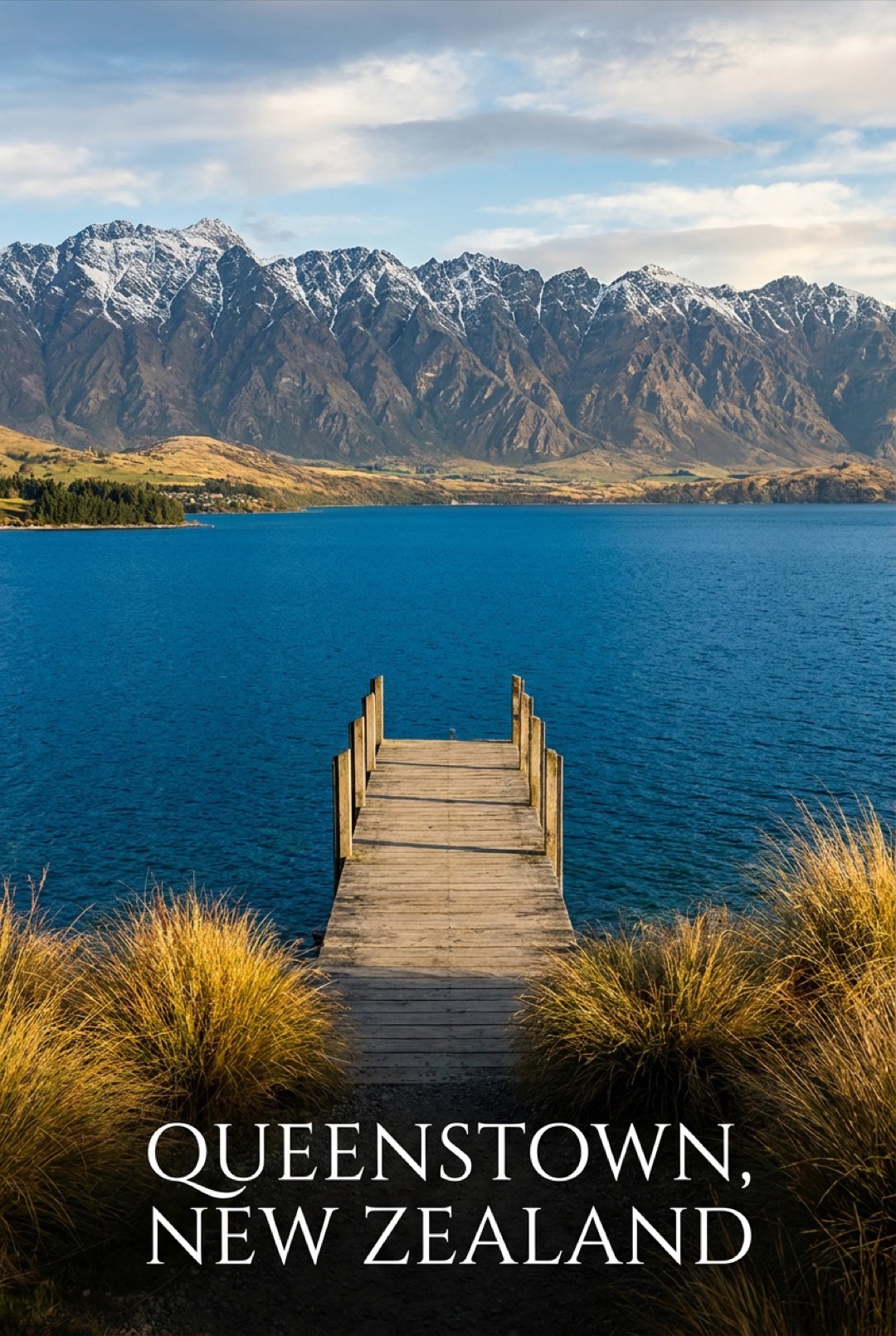
    Queenstown sits on a lightning-bolt lake beneath mountains actually named The Remarkables, and somehow over-delivers on that setting. It is the world’s adventure capital, birthplace of bungy, but between the adrenaline hits waits a town of lakefront wine, alpine light and scenery that refuses to quit.

    The essential hits

    • Skyline Gondola: up Bob’s Peak for the postcard view, luge runs optional but correct
    • Kawarau Bridge: the original bungy jump, watch or leap
    • Shotover Jet: canyon-wall jet boating at silly speeds
    • Glenorchy road: forty-five minutes of the best lakeside driving on Earth
    • Fergburger: the queue is real and, annoyingly, justified

    Milford or Wanaka

    Milford Sound is a long day, four hours each way, but the fiord’s waterfalls and mile-high cliffs justify one early start: fly-cruise-fly if the budget allows. Gentler is a day over the Crown Range to Wanaka, with its lone famous tree and lakeside calm. Ambitious itineraries claim both: give the region five days minimum.

    Wine country next door

    Twenty minutes away, the Gibbston Valley grows some of the world’s best pinot noir between schist cliffs: cellar doors cluster conveniently for an afternoon of tastings, and the Arrowtown gold-rush village nearby does autumn colour like a film set. Adrenaline in the morning, pinot by four: the Queenstown ratio.

    Seasons of it

    Summer (December to February) brings hiking, lake swims and 10pm light: winter (June to August) turns the town into a ski hub with snow on the Remarkables and mulled wine downtown. Autumn might be the sleeper pick: golden poplars, quiet trails and that low, cinematic sun. There is no wrong month, only different postcards.

    Save this adventure basecamp, and roam more travel guides on Plumeo. Daily inspiration at @Plumeoblog.
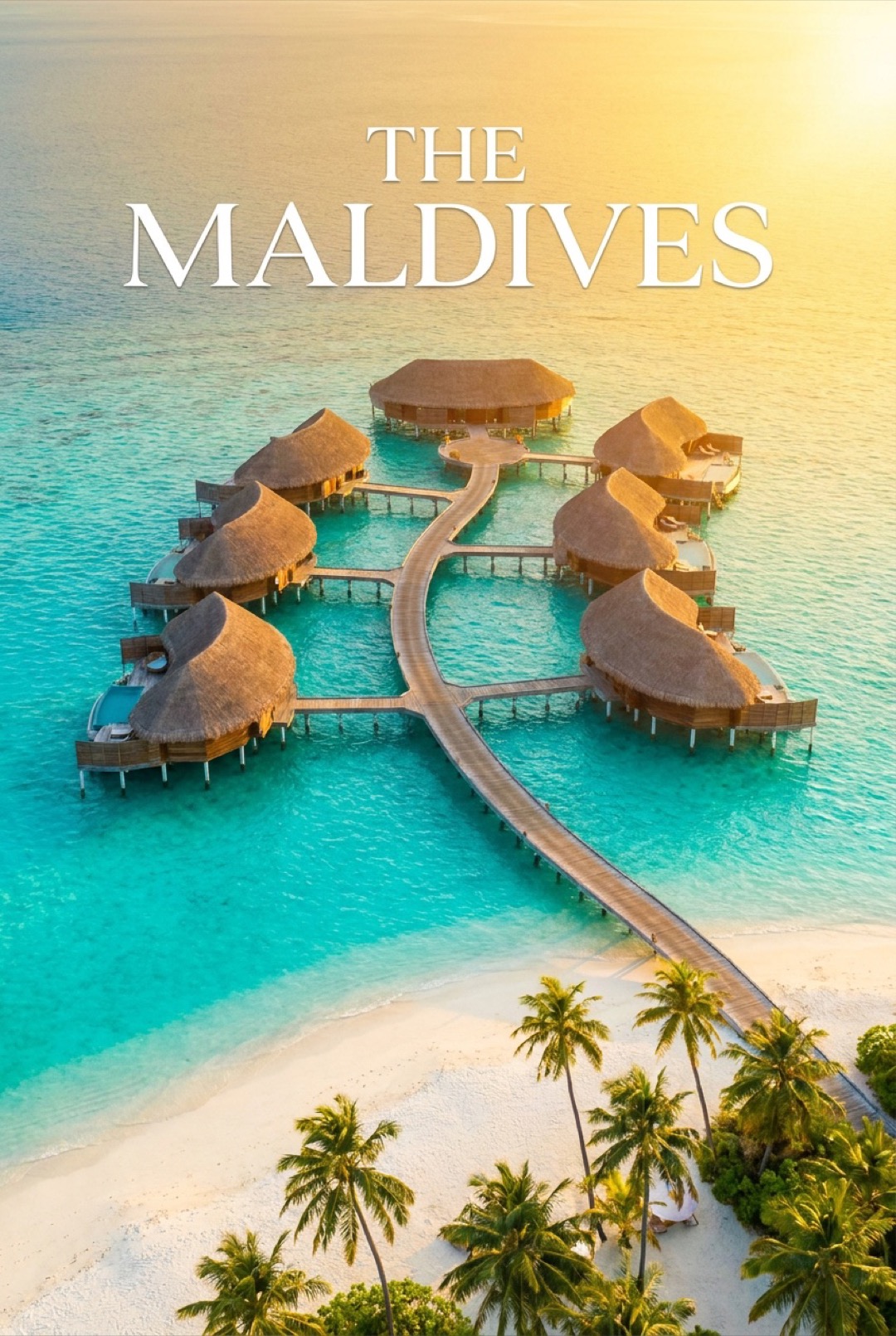
  • The Maldives: Overwater Dreams on a Real Budget

    The Maldives: Overwater Dreams on a Real Budget

    The Maldives is the world’s screensaver made real: a thousand coral islands scattered across water so blue it looks colour-graded. It is the reigning honeymoon fantasy, but here is the useful secret: paradise now runs at two price points, and both of them are wonderful.

    Two ways to do it

    • Resort route: one island, one resort, overwater villas, seaplane arrivals and barefoot butlers, pure cocoon
    • Local island route: guesthouses on inhabited islands like Maafushi or Dhigurah, speedboat transfers, excursions à la carte, the same water at a fraction of the cost

    What the water holds

    • House-reef snorkeling with turtles and reef sharks straight off the villa steps
    • Manta ray cleaning stations, best around Baa Atoll from June to November
    • Whale sharks year-round off South Ari Atoll
    • Sandbank picnics and bioluminescent shores on moonless nights

    Timing and weather

    December to April is the dry, glassy high season: May to November brings brief afternoon storms, lusher prices and the manta peak. The water sits at bath temperature all year. For villas over the lagoon, book sunset-facing: for snorkelers, ask specifically about house-reef quality, it varies more than the brochures admit.

    Making it count

    Four nights hits the sweet spot before island time blurs: split stays, two islands or resort-plus-guesthouse, show two different Maldives for the same budget. Pack reef-safe sunscreen (it is the law at many resorts) and leave the drone rules to your hotel. Then do the hardest thing in travel: absolutely nothing, on schedule.

    Save this slice of paradise, and drift through more travel guides on Plumeo. Daily inspiration at @Plumeoblog.
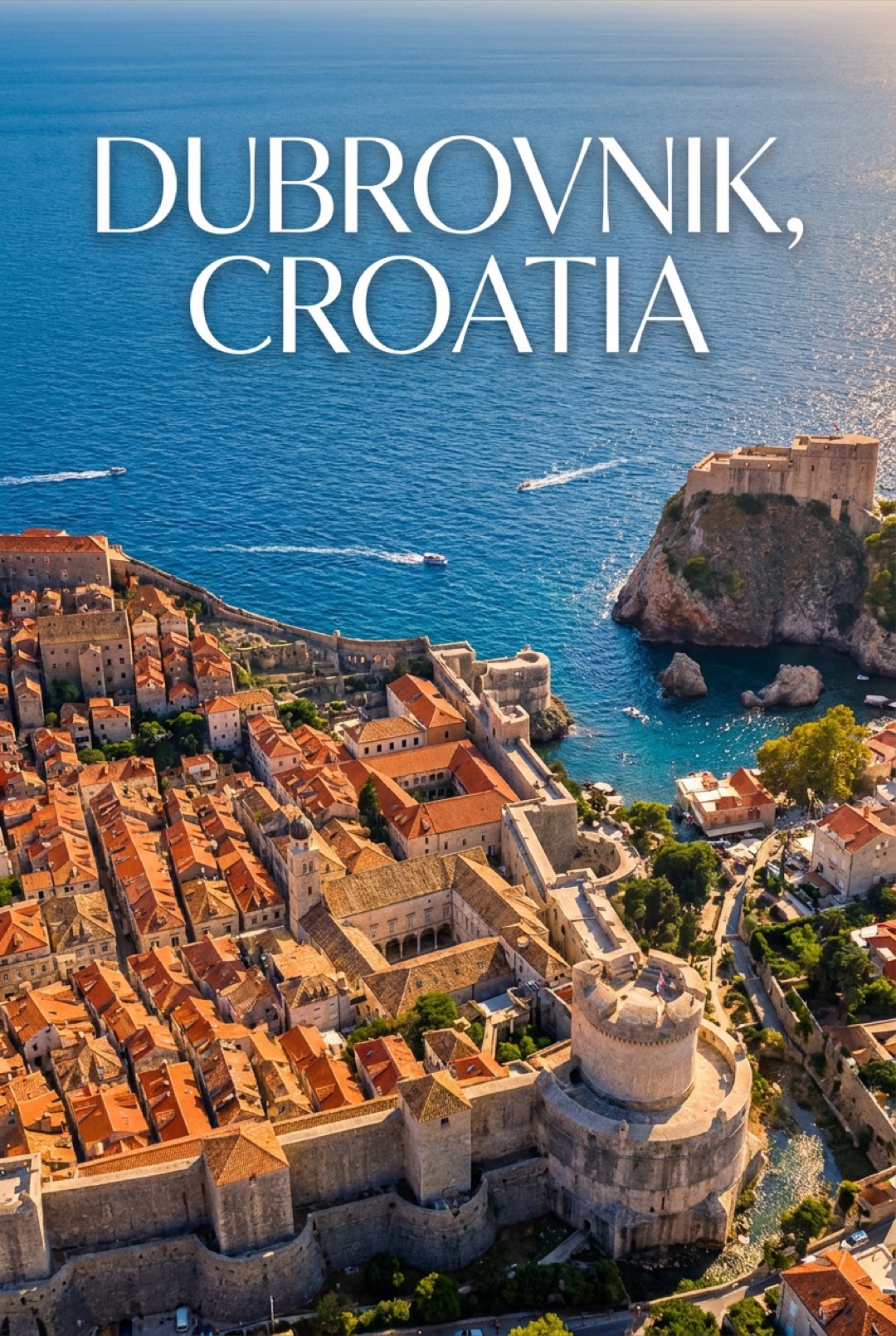
  • Dubrovnik, Croatia: The Pearl of the Adriatic

    Dubrovnik, Croatia: The Pearl of the Adriatic

    Dubrovnik earns its nickname honestly: a walled medieval city of marble streets and terracotta roofs thrust into the bluest corner of the Adriatic. Walk the ramparts once and the whole town arranges itself below you like a model, sea on three sides, mountains behind, swifts overhead.

    The essentials

    • The City Walls: two kilometres of ramparts, walk them at opening or the final entry hour
    • Stradun: the polished limestone main street, best before breakfast
    • Mount Srđ: cable car or hike for the classic aerial view at sunset
    • Lokrum: the green island ten minutes offshore, peacocks, pines and swimming coves
    • Buža bars: cliff-hole bars outside the walls where you swim between drinks

    Beating the crowds

    Dubrovnik’s old town is small and cruise ships are not: check the port schedule and flip your days accordingly, walls and Stradun on quiet mornings, islands and beaches when ships are in. June and September deliver summer seas without the July crush: October is the locals’ favourite month for a reason.

    Swim spots worth the walk

    Banje beach fills first: better are Šulić cove below Fort Lovrijenac, the rocks at Danče where locals dive at dusk, and Lokrum’s Dead Sea lagoon. The Adriatic here is glass-clear well into autumn: pack water shoes for the pebbles and swim with the city walls as your backdrop.

    Day trips that deliver

    The Elaphiti islands make an easy sail-and-swim day: Ston brings salt pans, oysters and Europe’s longest fortress walls: and Kotor, over the Montenegro border, is a fjord-wrapped mini-Dubrovnik two hours south. Base four nights and the Pearl becomes a doorway to the whole southern Adriatic.

    Save this Adriatic gem, and sail through more travel guides on Plumeo. Daily inspiration at @Plumeoblog.
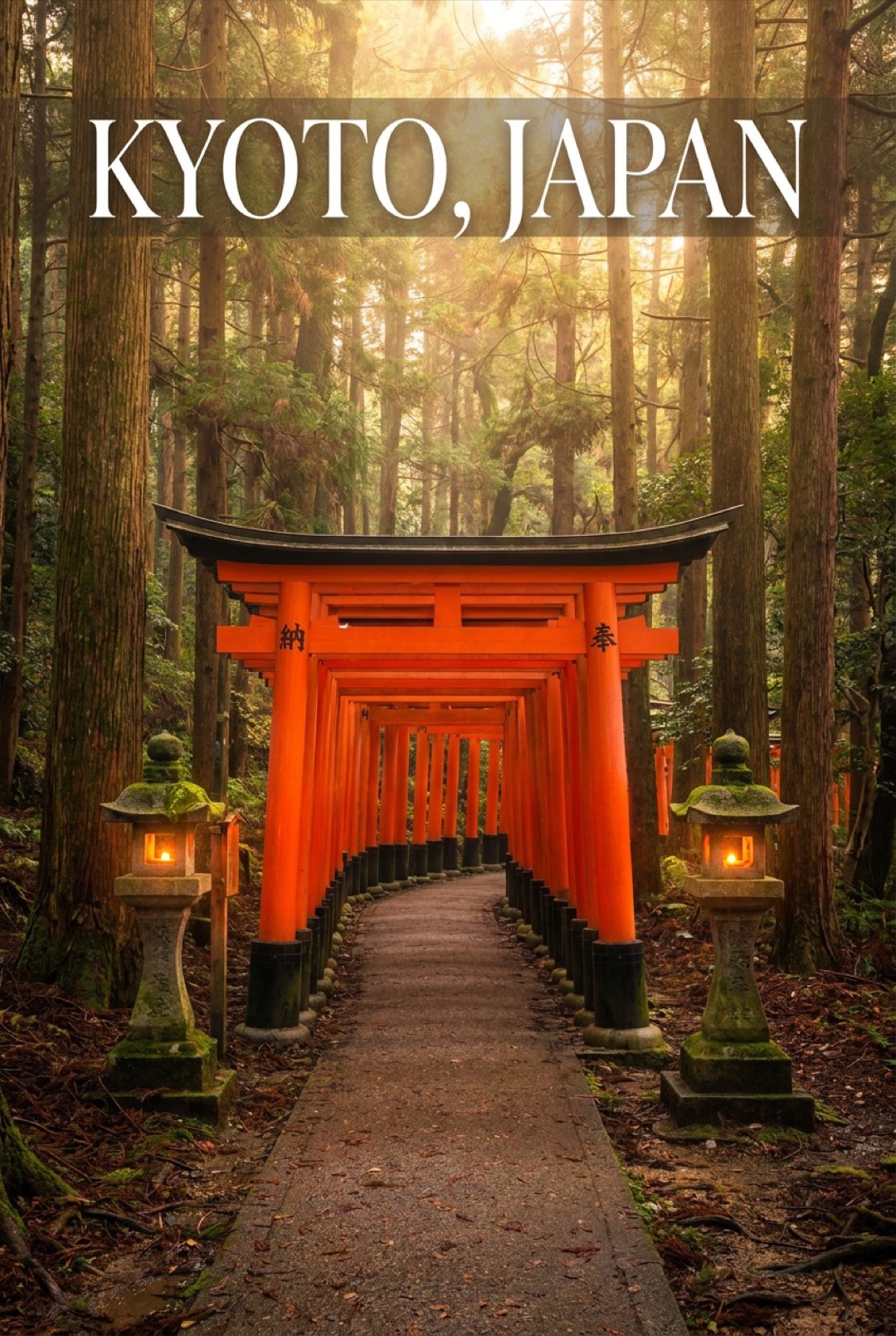
  • Kyoto, Japan: Temples, Torii Gates and Timeless Streets

    Kyoto, Japan: Temples, Torii Gates and Timeless Streets

    Kyoto is Japan’s soul kept beautifully intact: over a thousand temples, lantern-lit alleys, tea houses and gardens raked to perfection. It rewards slow travel like nowhere else, and even its most famous sights, seen early enough, can still feel like secrets.

    The unmissables

    • Fushimi Inari: thousands of vermilion torii gates winding up a mountain, go at dawn and keep climbing past the crowds
    • Kinkaku-ji: the gold-leafed pavilion floating over its mirror pond
    • Arashiyama: the bamboo grove at first light, then the Hozu river and monkey park
    • Gion: evening lanes of wooden machiya houses and the flicker of lanterns
    • Kiyomizu-dera: the hillside temple with the wooden stage and city views

    When to go

    Kyoto peaks twice: cherry blossoms in early April and fiery maples in late November, both magnificent and both busy. The insider seasons are early June, fresh green and quiet, and February, when temples sit in crisp stillness. Summer is hot and humid: if it is your window, plan mornings and shaded gardens.

    Eat like Kyoto

    This is the home of kaiseki, Japan’s seasonal tasting cuisine, but the city feeds every budget: Nishiki Market for street snacks, yudofu (silken tofu hotpot) near Nanzen-ji, matcha everything in Uji, and department store basements for the world’s most beautiful takeaway. Book kaiseki once: it is a memory, not a meal.

    Practical magic

    Base yourself near a subway line rather than inside Gion: Kyoto’s buses crawl in peak season. Buy an IC card, rent a bicycle for the flat city centre, and build each day around one district instead of criss-crossing. Two full days covers the icons: four lets Kyoto do what it does best, which is slow you down.

    Save this guide for your Japan trip, and wander through more travel guides on Plumeo. Daily inspiration at @Plumeoblog.
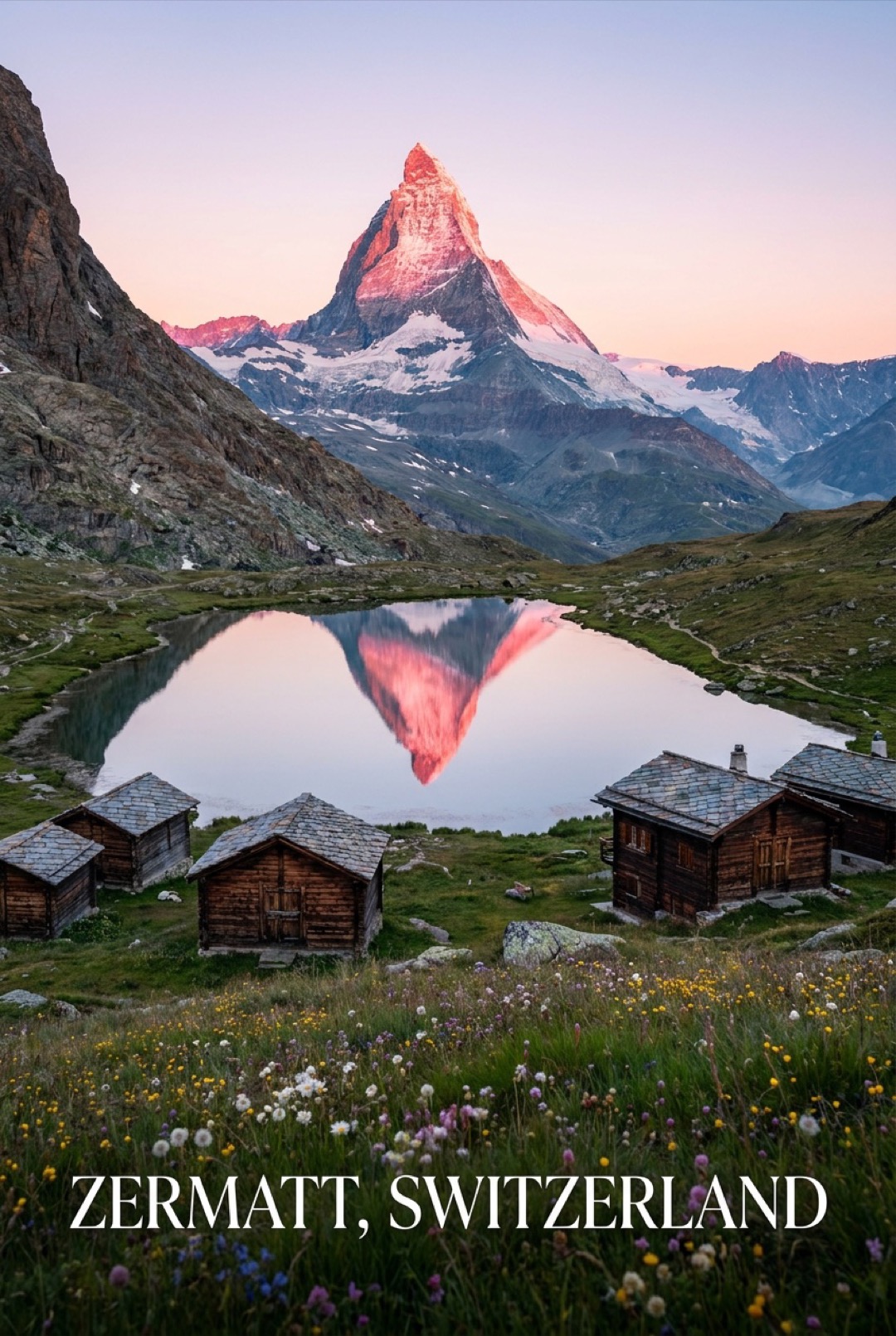
  • Zermatt, Switzerland: Life Beneath the Matterhorn

    Zermatt, Switzerland: Life Beneath the Matterhorn

    Zermatt is the Alps at their most iconic: a car-free village of dark timber chalets huddled beneath the Matterhorn, the most recognisable mountain on Earth. Whether you come for summer trails or winter snow, the pyramid peak photobombs every moment, and you will not complain once.

    The great viewpoints

    • Gornergrat: the cog railway to 3,089m, glaciers and the Matterhorn arrayed like a diorama
    • Riffelsee: the tiny lake that serves the classic reflection shot on still mornings
    • Matterhorn Glacier Paradise: Europe’s highest cable car station at 3,883m
    • Five Lakes Walk: an easy summer loop past five mirrors of the mountain

    Summer or winter

    Summer Zermatt is 400km of marked trails, wildflower meadows and long golden evenings: July to September is prime. Winter brings some of Europe’s most reliable snow and runs that cross into Italy for lunch. The village itself, electric taxis, fondue windows, church bells, is equally charming under either season’s light.

    Doing it affordably

    Switzerland is spendy but manageable: the Peak Pass bundles lifts and trains, supermarket picnics beat CHF 30 mountain plates, and staying in nearby Täsch (one train stop) trims hotel costs meaningfully. Book the Gornergrat for first departure: the light is better and the fare gentler on early trains in shoulder season.

    The golden hour ritual

    At dawn the Matterhorn’s east face catches fire, pink then gold, while the village still sleeps. Claim a bench by the Kirchbrücke bridge, the classic foreground of river and peak, and watch the show with a thermos. It is free, it is five minutes from any hotel, and it is the moment you will remember longest.

    Save this alpine dream, and climb through more travel guides on Plumeo. Daily inspiration at @Plumeoblog.
  • Bali’s Water Temples: A Serene Travel Guide

    Bali’s Water Temples: A Serene Travel Guide

    Bali’s soul lives in water. The island’s Hindu tradition treats spring, lake and sea as sacred, and its water temples, shrines rising out of mist-covered lakes, pools fed by holy springs, pagodas silhouetted against the tide, are where that belief takes physical form. They are also among the most beautiful places in Southeast Asia, if you arrive with the right timing and the right respect.

    Tirta Empul: the holy spring

    Near Ubud, Tirta Empul has drawn purification pilgrims for over a thousand years. Balinese Hindus (and respectful visitors) wade through its spring-fed pools, pausing at each fountain spout in turn. If you take part, do it properly: sarong on, follow the sequence, leave the last two spouts alone, they are reserved for funerary rites. Go at opening time, around 8 am, before the tour buses, when steam still lifts off the water.

    Ulun Danu Beratan: the temple on the lake

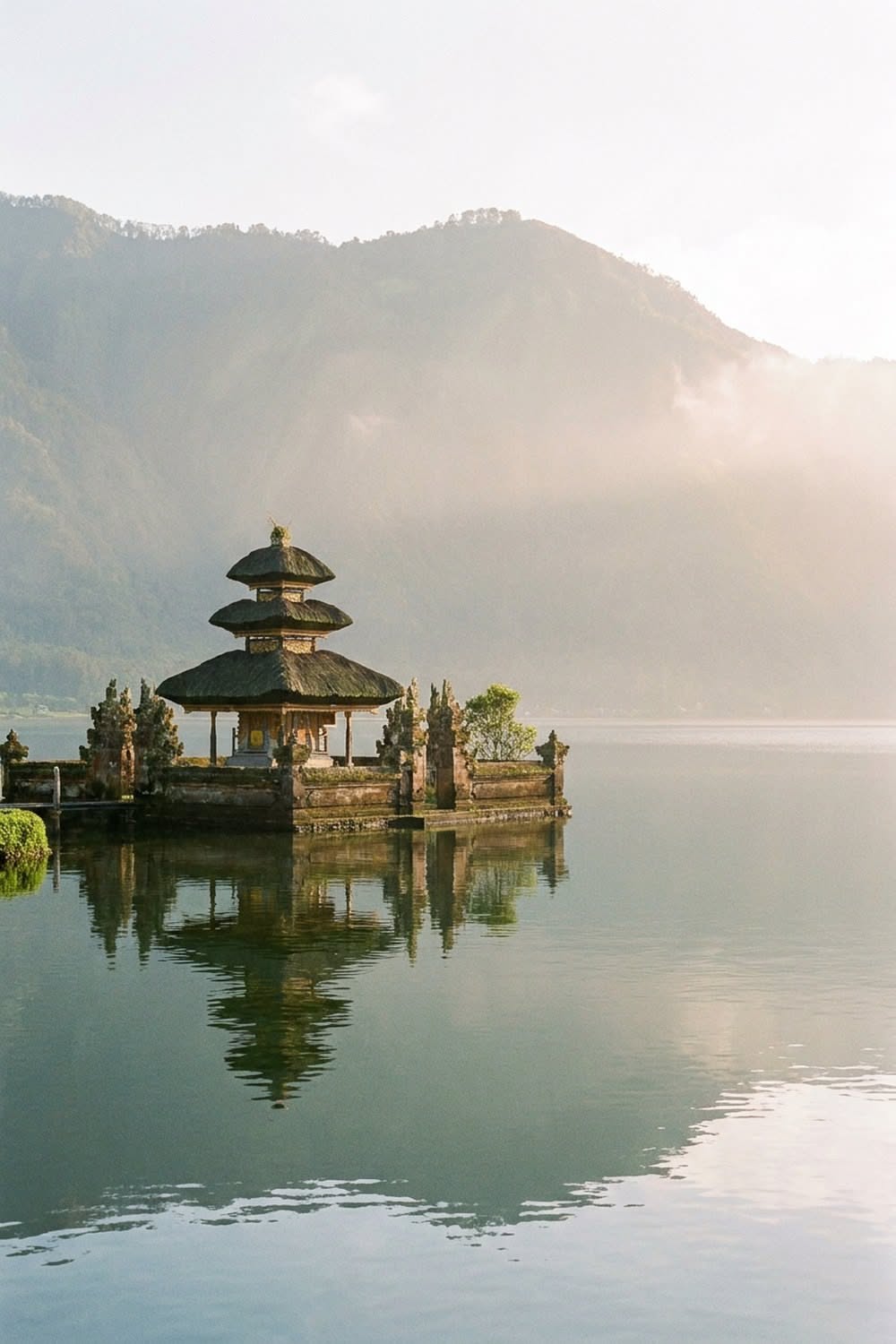
    In the cool highlands of Bedugul, this is the temple from every postcard: tiered meru shrines that appear to float on Lake Beratan, mountains dissolving into cloud behind them. Mornings are the magic hours, mist on the water, the lake like glass. The drive up from the coast takes about ninety minutes and passes strawberry farms and market stalls worth a stop. Bring a layer: at 1,200 metres, Bali is suddenly sweater weather.

    Tanah Lot: the temple in the sea

    Perched on a wave-battered rock off the southwest coast, Tanah Lot is Bali’s sunset icon. At high tide it becomes an island; at low tide you can walk to its base. It is crowded at dusk and worth it anyway, arrive an hour early, claim a spot on the clifftop path to the south, and watch the pagoda turn to silhouette as the sky goes molten. Nearby Batu Bolong, a temple on a natural rock arch, gets a fraction of the attention and is nearly as striking.

    Temple etiquette, briefly

    • Sarong and sash at every temple: usually provided with entry.
    • Shoulders covered, voices low, never climb on shrines for a photo.
    • Ceremonies have right of way: step aside and enjoy witnessing one.

    Planning the trip

    Dry season, April to October, gives you the reliable golden evenings. Base yourself in Ubud for Tirta Empul and day-trip to the others with a hired driver (affordable, and they know the ceremony calendar). String the three temples across separate days rather than one rushed circuit: these are places built for stillness, and stillness is the one thing worth packing extra of.

    Pin this guide for your Bali dreaming, and drift through more travel guides on Plumeo. Daily wanderlust at @Plumeoblog.

  • Tropical Beach Sunsets: Escapes for Golden Hour Chasers

    Tropical Beach Sunsets: Escapes for Golden Hour Chasers

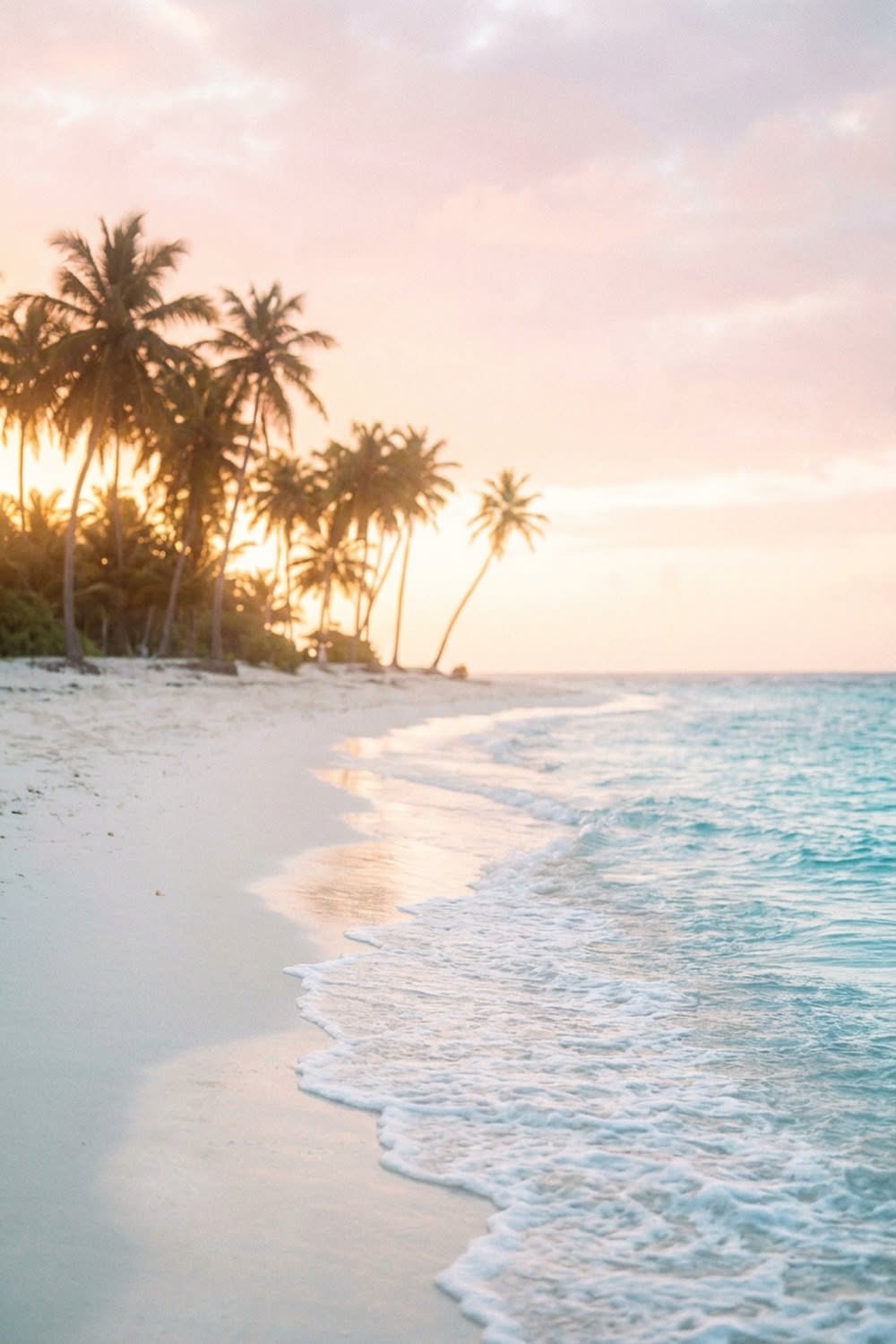
    Some people travel for museums, some for food: sunset chasers travel for the twenty minutes when the sky performs. A tropical west-facing beach at golden hour, palms in silhouette, water holding the color like a mirror, is one of the planet’s most reliable pieces of theater, and certain shores stage it better than anywhere else.

    The sunset shortlist

    • Oia-rivaling Bali: the beach clubs and cliffs of Uluwatu and the black sands of Seminyak face dead west: nightly gold, reliably delivered.
    • The Maldives: overwater horizons in every direction: sunset from a sandbank mid-ocean is the genre’s final boss.
    • Ko Lipe and Thailand’s Andaman coast: longtail boats moored in the foreground, the composition pre-arranged.
    • Zanzibar’s west coast: dhows under lateen sails crossing an orange sea: Kendwa and Nungwi face the show directly.
    • Fiji and French Polynesia: South Pacific skies with cloud drama the tropics reserve for their best evenings.

    The physics of a great sunset

    Great sunsets need three ingredients: a west-facing shore (check the map before booking: many famous beaches face the wrong way), some cloud at mid-height to catch the color (a bald sky produces a plain sunset: scattered clouds produce the fire), and clean air after rain. Tropical wet seasons, counterintuitively, produce the most violent color: the afternoon storm clears, and the sky spends its entire budget in one evening.

    Building the golden hour ritual

    Arrive forty minutes early: the pre-sunset light is half the show and the good spots (the western tip of the beach, the rocks, the swing at the beach bar) go first. Swim during the gold: being in the water as it turns to fire is the memory that outlasts every photo. And stay twenty minutes after the sun drops: the afterglow, when the crowd leaves and the sky runs through violet and rose, is routinely better than the main event.

    Beyond the beach chair

    Upgrade the ritual where the destination allows: a sunset sail (Zanzibar dhows, Thai longtails, Balinese jukungs all run evening trips for modest money), a clifftop dinner reserved for the west rail, or simply a picnic and a speaker at low volume. One photo, taken early, then the phone goes away: the entire point of chasing sunsets is being unreachable inside one.

    Pin these golden hours to your bucket list, and glow through more travel guides on Plumeo. Daily wanderlust at @Plumeoblog.

  • Provence Lavender Fields: A Purple Season Guide

    Provence Lavender Fields: A Purple Season Guide

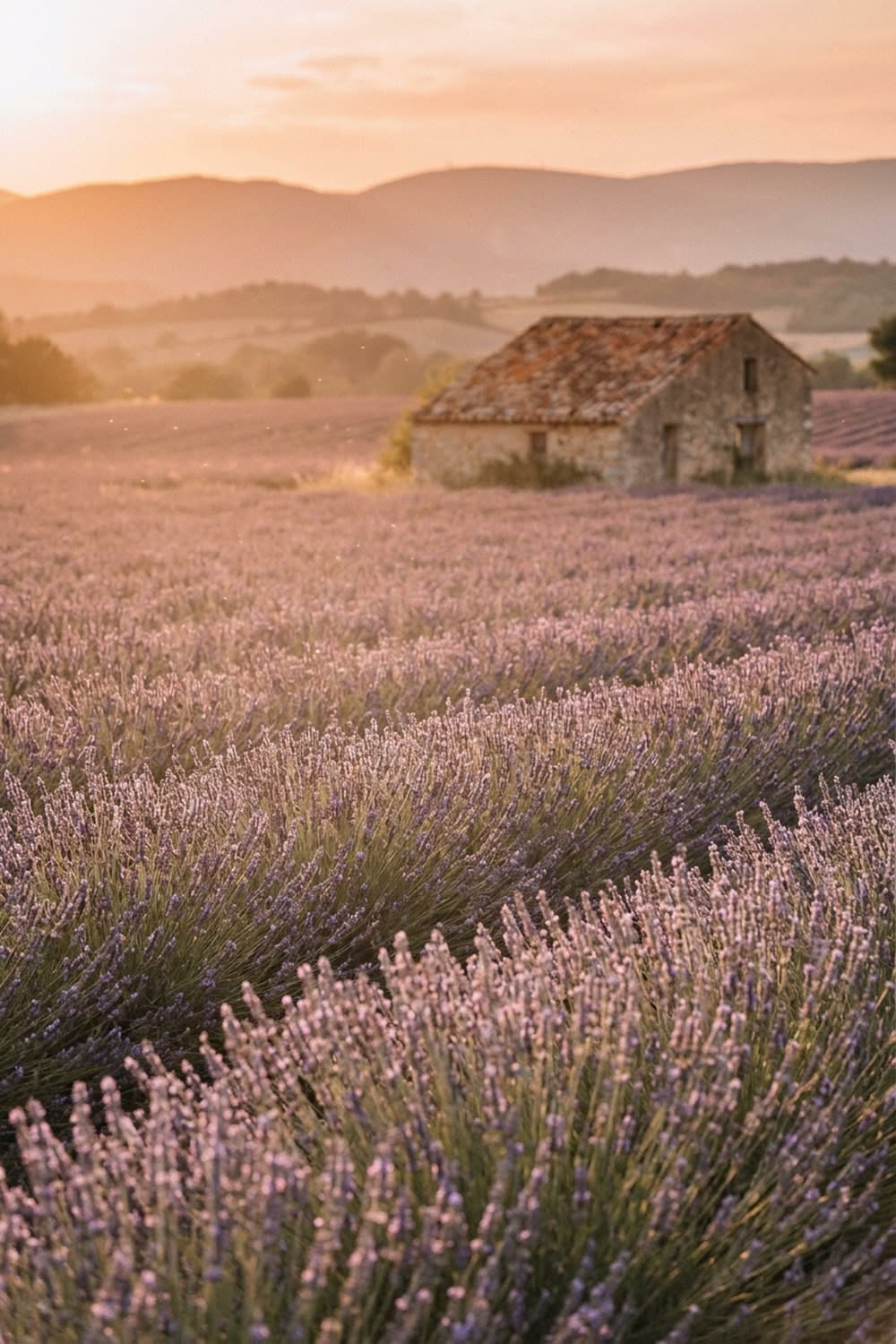
    For a few weeks each summer, whole plateaus of Provence turn violet: rows of lavender running to the horizon, bees at full volume, the air itself scented. It is one of Europe’s great seasonal spectacles, and like all of them it runs on a strict clock. Here is when to go, where the purple is deepest, and how to do it like someone who read past the photos.

    The bloom clock

    Lavender blooms roughly from mid-June to early August, with the sweet spot in the first three weeks of July: after that, the harvest begins and fields vanish row by row into distilleries. Altitude staggers the show: the lower Valensole plateau peaks late June into July, while the higher Sault region blooms and harvests latest, insurance for early-August travelers. Check the year’s bloom reports before locking dates: a hot June can advance the entire calendar by two weeks.

    The three purple territories

    • Valensole plateau: the postcard: vast fields, often edged with sunflowers, the classic endless-rows shot in every direction.
    • Sénanque Abbey near Gordes: the 12th-century monastery floating in lavender: the single most photographed frame in Provence: arrive at opening.
    • The Sault valley: higher, quieter, later-blooming: wilder fields and a fraction of the buses.

    Base in a hill village, Gordes, Roussillon, Moustiers-Sainte-Marie near Valensole, and drive the small roads: the best field is usually the unmarked one you find alone at 7 pm.

    The golden hours and the etiquette

    Lavender is a morning-and-evening subject: sunrise brings mist, soft light and working bees still sleepy: the last two hours before sunset set the purple on fire. Midday is for villages and long lunches, not fields. The etiquette matters: these are working farms, so stay in the rows rather than trampling through them, take nothing but stems sold at farm stands, and leave gates as found. The farmers’ patience with photographers is a gift: return it.

    Beyond the photograph

    The purple season is a full sensory economy: distillery tours (Valensole’s farms run them all summer, ending in essential-oil shops that perfume the car for weeks), lavender honey and ice cream at the markets, and the Sault lavender festival in mid-August. Pair the fields with the region’s greatest hits, the ochre cliffs of Roussillon, the Verdon Gorge’s turquoise water twenty minutes from Valensole, and market mornings under the plane trees, and the lavender becomes the theme of the trip rather than its only act.

    The practical kit

    A car is non-negotiable (the fields ignore public transport), July books out months ahead, and the plateau sun is serious: hat, water, and early starts solve most of it. Bring one linen outfit for the inevitable portrait, and buy the little sachet at the farm stand: months later, opening a drawer at home will deliver you straight back to the purple rows, which is the entire business model of Provence.

    Pin this purple season, and wander more travel guides on Plumeo. Daily wanderlust at @Plumeoblog.

  • Hallstatt, Austria: Europe’s Dreamiest Lakeside Village

    Hallstatt, Austria: Europe’s Dreamiest Lakeside Village

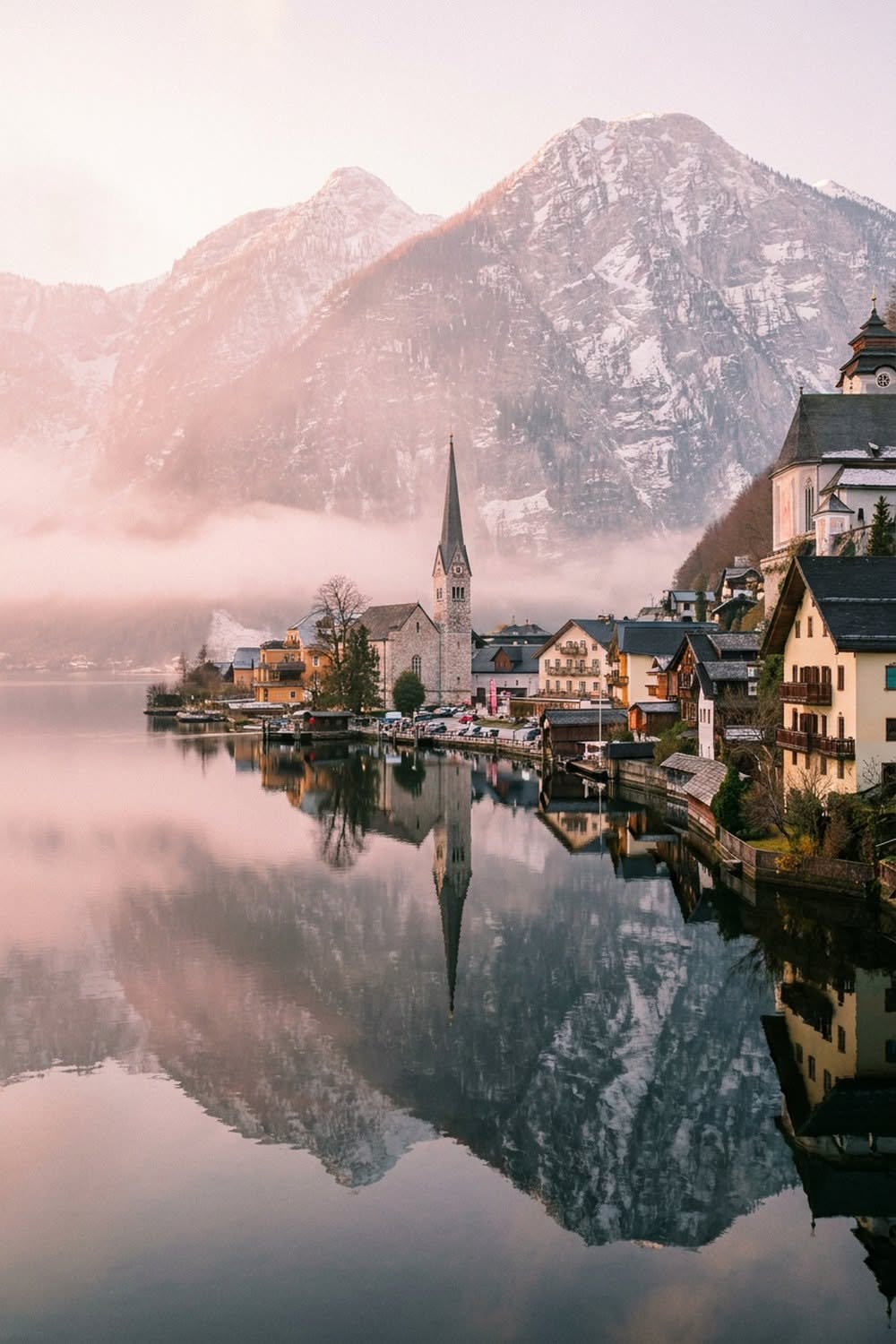
    Pastel houses stacked between a mirror-still lake and steep alpine forest, a church spire, woodsmoke, swans: Hallstatt looks almost too perfect to be a real, working village. It is real, it is over 7,000 years old as a settlement, and it is absolutely worth the trip, provided you time it well.

    When to go (and when to avoid)

    Hallstatt receives enormous day-trip crowds in midsummer, mostly between 10am and 4pm. The dream version of the village exists outside those hours. Visit in late September and October for golden larches and morning mist on the lake, or December to February for the snow-globe version. If you come in summer, stay overnight: at 7am the lanes are empty and the lake is glass.

    The classic viewpoint, done right

    The famous postcard angle is from the north end of the village on Gosaumühlstrasse, a five-minute walk from the Marktplatz. Sunrise is the moment: the light comes over the mountains behind you and the village glows while the lake stays still. Golden hour in the evening is lovely too, but busier.

    Beyond the photo: what to actually do

    • Salt mine and skywalk: ride the funicular up to the Salzwelten, the world’s oldest salt mine, and walk the viewing platform 350 metres above the lake.
    • The Bone House: the small charnel house at St Michael’s Chapel holds hundreds of painted skulls, a strange and strangely moving tradition.
    • A slow boat on the lake: rent an electric boat for an hour and see the village the way it was always meant to be seen, from the water.
    • The Echern Valley walk: an easy waterfall trail beginning right behind the village, missed by nearly every day-tripper.

    Getting there is part of the charm

    The train from Salzburg or Vienna delivers you to Hallstatt station on the far shore, where a little ferry crosses the lake to the village, easily one of Europe’s most beautiful arrivals. From Salzburg allow around 2.5 hours, from Vienna around 3.5. Cars must park outside the village, so pack light if you are staying over.

    Where the cozy evenings happen

    Once the buses leave, Hallstatt shrinks back to a village of a few hundred people. Book a guesthouse with a lake-view balcony, order fresh-caught Reinanke (the local whitefish) at a family-run gasthof, and take one last walk along the shore when the lights come on. That evening hour is the memory you will keep.

    A gentle note on visiting well

    Hallstatt’s residents live in the postcard. Keep voices low in the lanes at dawn, skip the drone, and spend money in the village rather than only photographing it. Travelling softly here keeps the dream intact for everyone, including the people who call it home.

    Save this guide to your Europe board on Pinterest, and find more dreamy travel escapes on Plumeo. New destinations pinned daily at @Plumeoblog.