Soft-luxury living

Category: Travel

Dreamy destinations and travel escapes.

  • The Amalfi Coast: A Dreamy Italian Summer Escape

    The Amalfi Coast: A Dreamy Italian Summer Escape

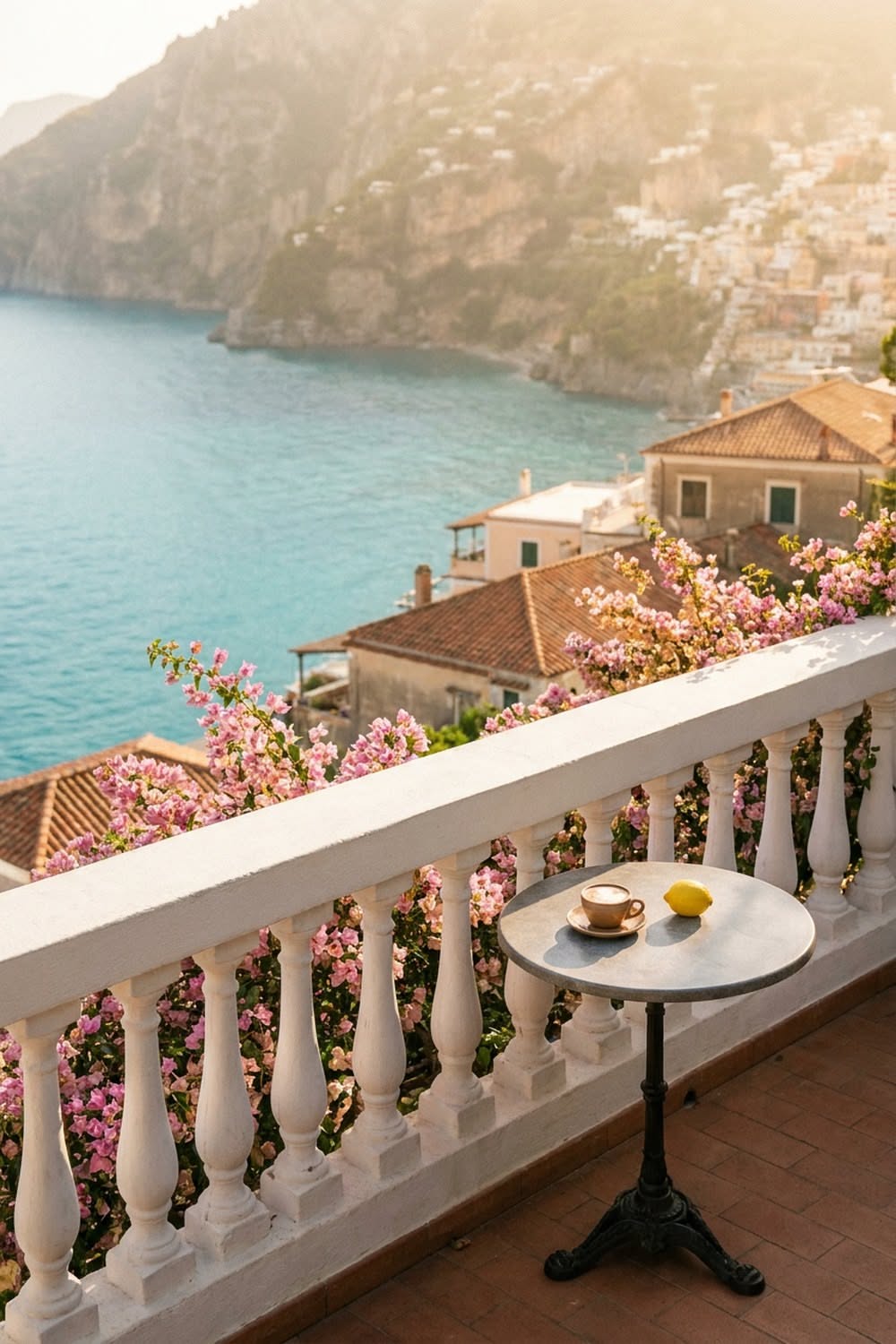
    Some coastlines are beautiful. The Amalfi Coast is theatrical: pastel towns stacked down cliffs, lemon terraces hanging over a violet sea, roads that turn every corner into a gasp. It is Italy performing summer at full volume, and with a little planning it is every bit as dreamy in person as on your feed.

    The towns, in one honest paragraph each

    Positano is the icon, a vertical waterfall of peach and rose buildings. Stay for golden hour when the day-trippers leave. Amalfi town is the practical hub with a magnificent striped cathedral and the best transport links. Ravello sits high above the sea, all gardens and music festivals: the Terrace of Infinity at Villa Cimbrone is the finest view on the entire coast. Praiano and Atrani are the quiet ones, where you hear church bells instead of tour groups. Base yourself in one calm town and visit the famous ones early.

    When to come

    May, June and September are the dream: warm sea, open everything, breathable crowds. July and August are hot, packed and expensive, though the evening swims almost justify it. April and October are quieter and gorgeous, with a small gamble on rain. Many places close from November to March, when the coast belongs to locals and painters.

    Getting around without losing your mind

    • Ferries are the answer: scenic, frequent in season, and immune to the road traffic. Approaching Positano from the water is the postcard in motion.
    • The SITA bus is cheap and hair-raising: sit on the sea side and hold on.
    • Driving the coast road in summer is mostly queueing with a view: skip the rental unless visiting off-season.
    • Arrive via Naples or Salerno by train, then boat or bus onward.

    The moments worth building a day around

    Swim before breakfast at a beach club as it opens. Walk the Path of the Gods, the cliff trail between Bomerano and Nocelle, in the morning light with the coast unrolling below. Eat lemon everything: granita, delizia al limone cake, and spaghetti al limone on a terrace. Take the boat to a grotto or simply ride the ferry at sunset with a paper cone of fried seafood. None of these require luck, only an alarm clock.

    A note on pace

    The coast punishes over-scheduling: one town a day, one swim, one long dinner is the correct rhythm. Amalfi is not a checklist, it is an atmosphere, lemon groves, church bells, sea light on painted walls, and atmosphere takes time to soak in. Leave gaps in the itinerary. The gaps are where the trip happens.

    Save this to your Italy board, and drift through more dreamy travel escapes on Plumeo. Daily wanderlust at @Plumeoblog.
  • Rome at Sunrise: Seeing the Colosseum at Its Best

    Rome at Sunrise: Seeing the Colosseum at Its Best

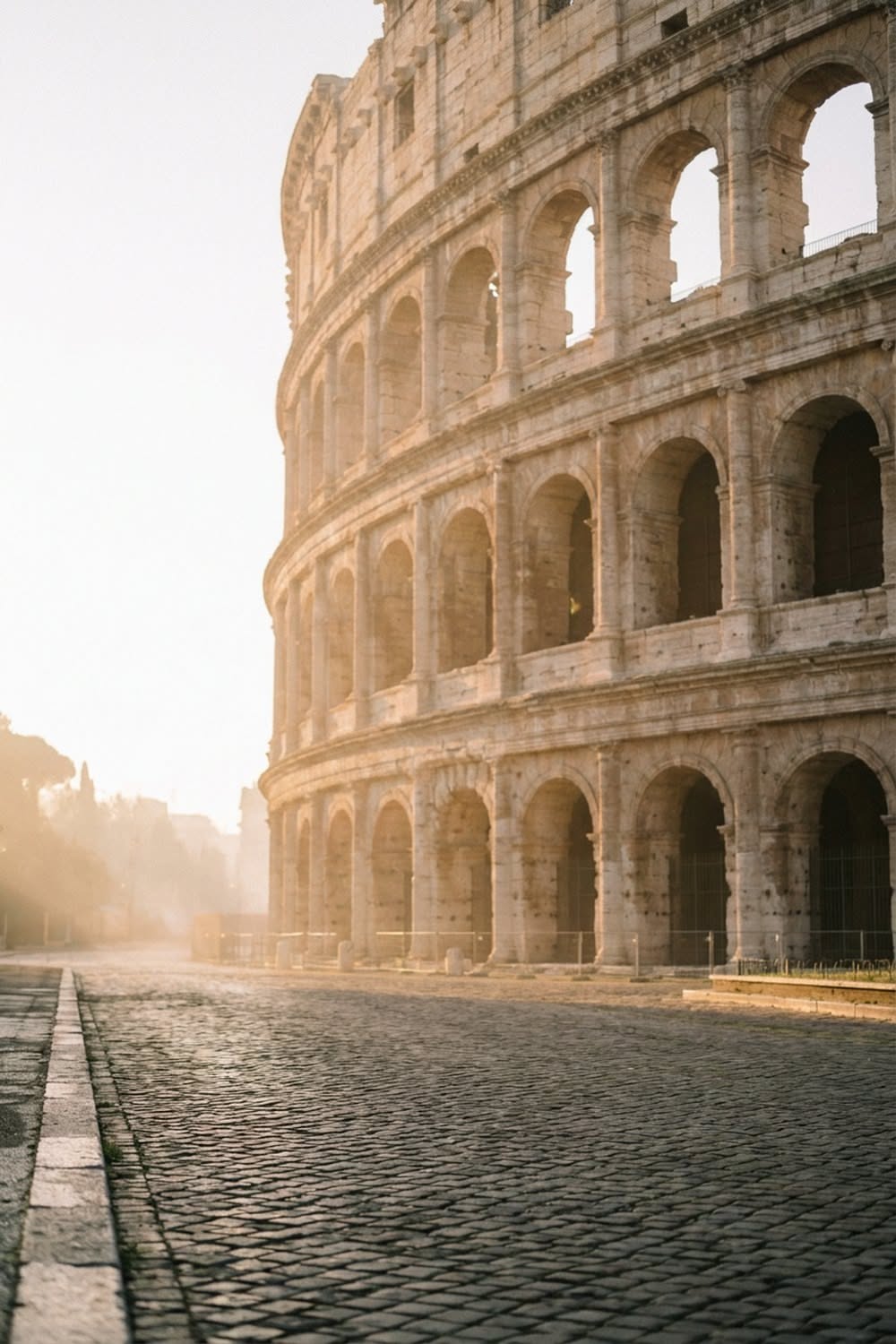
    Rome at midday is a glorious chaos. Rome at sunrise is a different city: the Colosseum standing in gold light with almost nobody around, swifts circling the arches, the cobbles still cool. If you do one early morning on your trip, spend it here.

    Why sunrise changes everything

    The Colosseum faces its prettiest light in the first hour of day, when the low sun hits the eastern arcades and the travertine turns honey-coloured. The crowds that define the site by 10am simply are not there yet. You will share the piazza with joggers, a few photographers and two thousand years of history.

    The golden two-hour route

    1. Start at the Colosseum piazza for the classic full-frontal view as the light arrives.
    2. Walk up Via Nicola Salvi to the terrace above the metro station for the elevated angle.
    3. Continue to the Roman Forum overlooks along Via dei Fori Imperiali: the ruins with morning haze are extraordinary.
    4. Climb the Capitoline Hill behind the Piazza del Campidoglio for the panorama over the Forum.
    5. Finish with coffee and a cornetto standing at a bar like a Roman. Total cost of the morning: one espresso.

    Going inside: what to book

    Interior tickets are timed and include the Forum and Palatine Hill within 24 hours: book the official ticket online well ahead, and consider the first entry slot to walk the arena level in relative calm. The Belvedere upper tiers and the underground hypogeum are separate guided options worth the upgrade for history lovers. Bring water, wear real shoes, and expect airport-style security.

    Small knowledge that deepens the visit

    Completed in 80 AD, the amphitheatre held somewhere around fifty thousand spectators, emptied in minutes through its numbered arches, a system stadiums still copy. The missing south side fell in medieval earthquakes, and much of the stone was reused across Rome, meaning pieces of the Colosseum hide inside Renaissance palaces all over the city. Once you know that, the whole town becomes an extension of it.

    Timing your Rome trip

    April, May, October and early November give warm light and bearable crowds. Summer works only if you embrace the sunrise strategy and siesta through the afternoons, which, frankly, is the correct Roman rhythm anyway. However long the trip, keep one morning unscheduled for wandering: Rome rewards the aimless better than any city alive.

    Save this for your Italy board, and find more dreamy travel escapes on Plumeo. Daily wanderlust at @Plumeoblog.
  • Enchanted Misty Forests: Dreamy Nature Escapes

    Enchanted Misty Forests: Dreamy Nature Escapes

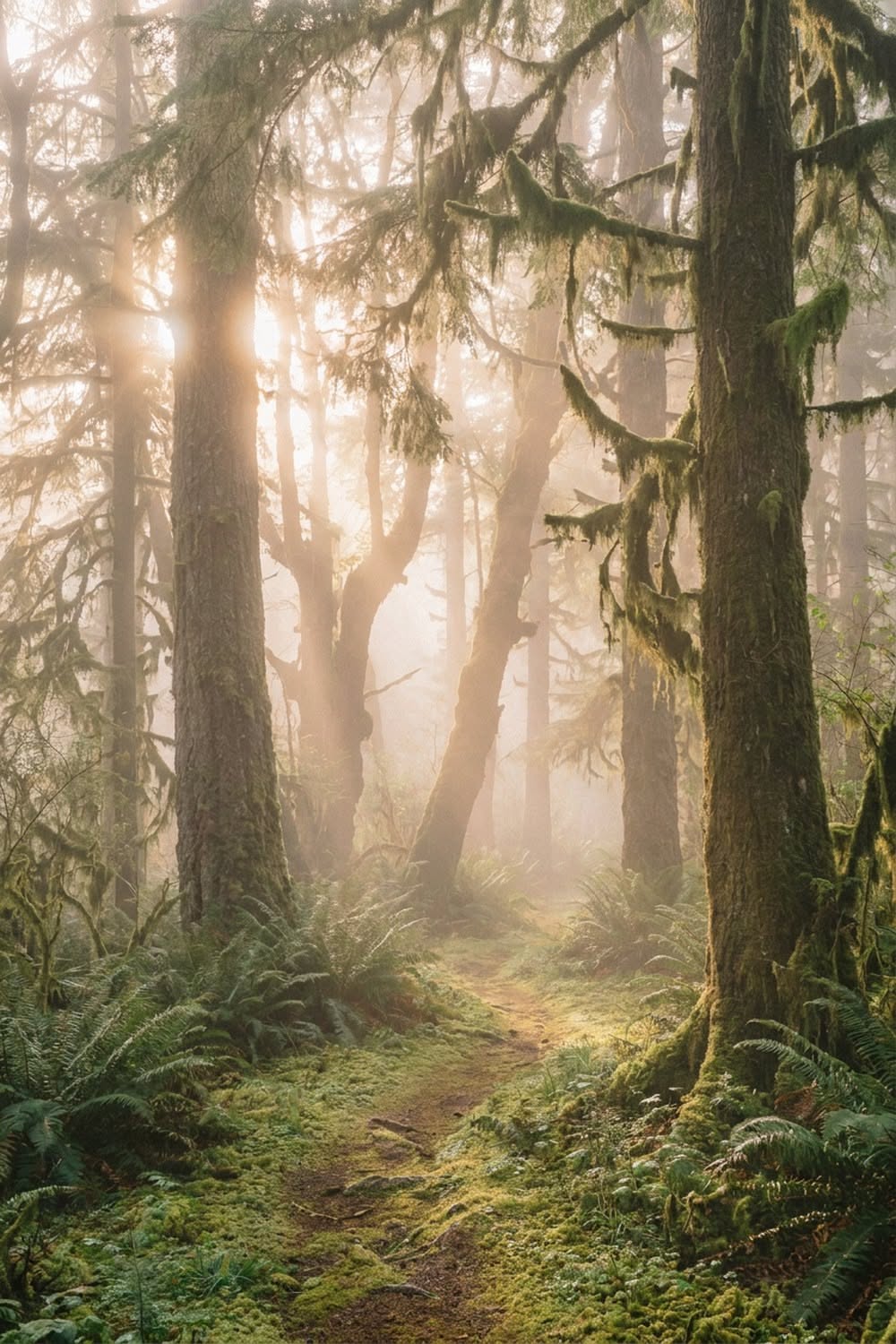
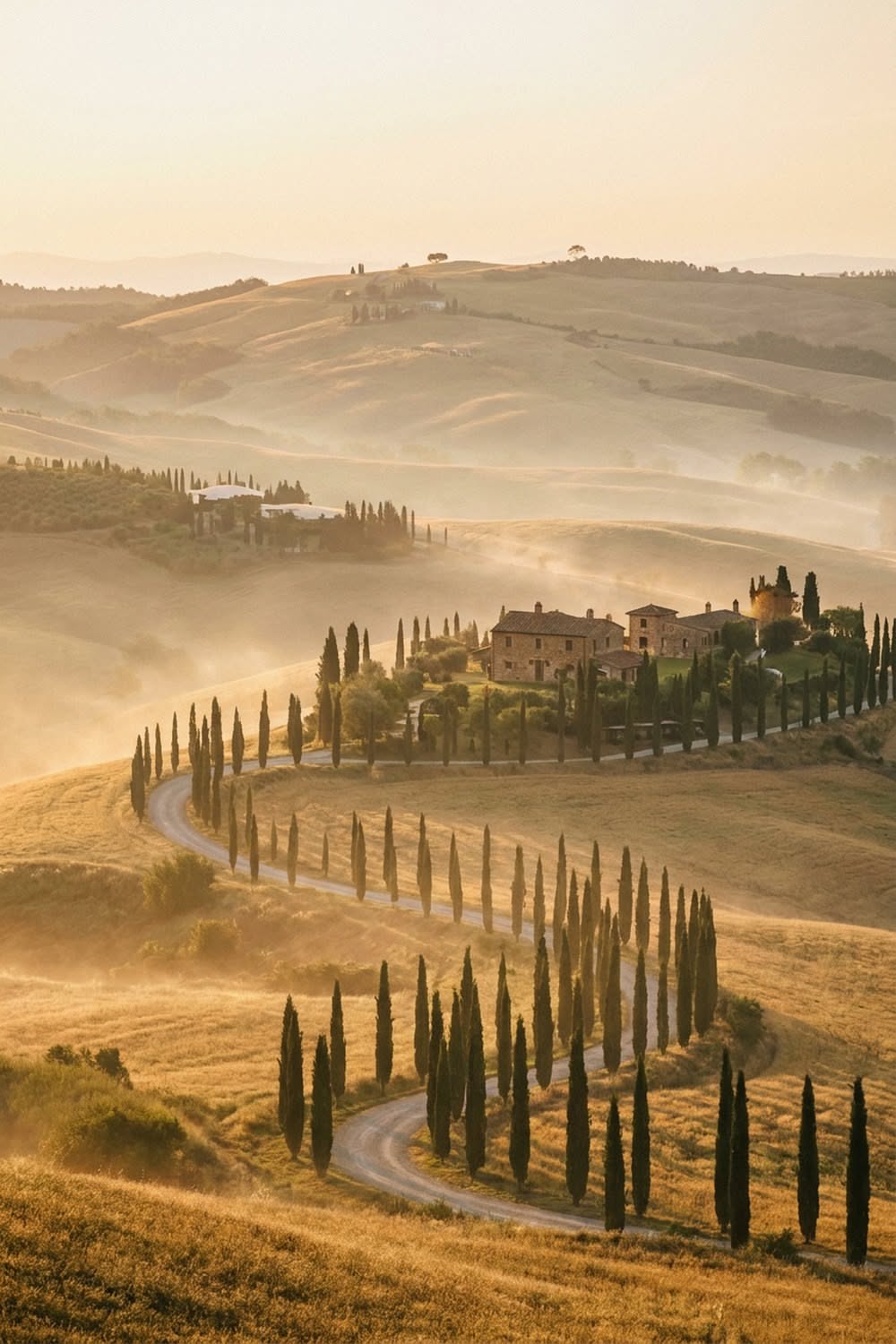
    There is a reason every fairytale begins at the edge of a forest. Fog between tall trunks, light falling in visible beams, the world gone quiet: a misty forest is ordinary geography behaving like magic. And unlike most magic, it is schedulable, if you know where to go and when to set the alarm.

    Hallerbos, Belgium: the blue forest

    For roughly two weeks in mid-to-late April, the floor of this beech forest near Brussels turns violet-blue with wild bluebells. Add morning mist and slanting light and it hardly looks real. Go at sunrise on a weekday, stay on the paths, and accept that you will take two hundred photographs.

    Hoh Rainforest, Washington, USA

    In Olympic National Park, moss hangs from every branch like green drapery and the air itself feels ancient. It rains a great deal, which is exactly the point: mist is nearly guaranteed from autumn through spring. The Hall of Mosses trail is short, easy and one of the most atmospheric walks in North America.

    The Black Forest, Germany

    The original Brothers Grimm landscape. Dense firs, steep valleys, and fog that pools in the hollows on autumn mornings. Base yourself around Triberg or the Mummelsee lake, walk early, and reward yourself afterwards with Black Forest cake in a wood-panelled cafe, because tradition is tradition.

    Broceliande, France

    Brittany’s forest of Arthurian legend, allegedly home to Merlin’s tomb and the Fountain of Youth. Whether or not you believe any of it, the oaks are vast, the light is green-gold and the morning fog does its best to convince you. Pair it with Brittany’s stone villages for a full storybook weekend.

    Yakushima, Japan

    A subtropical island of thousand-year-old cedars wrapped in near-constant mist, famously an inspiration for the animated film Princess Mononoke. The Shiratani Unsuikyo ravine trail is the classic route: mossy boulders, twisted roots and cloud drifting through everything. One of Earth’s genuinely otherworldly places.

    How to catch any forest at its most enchanted

    • Go at dawn after a clear, cool night that followed a warm or rainy day: that is fog weather.
    • Autumn and spring out-perform summer for mist almost everywhere.
    • Forests beside rivers, lakes or valleys fog most reliably.
    • Walk quietly and pause often: the atmosphere is half sound, or the absence of it.
    • Your nearest wood at 6am in October is more magical than a famous one at noon.

    Save these forests to your nature board, and wander more dreamy escapes on Plumeo. Daily wanderlust at @Plumeoblog.
  • Tuscany Travel Guide: Hill Towns, Cypress Roads and Golden Light

    Tuscany Travel Guide: Hill Towns, Cypress Roads and Golden Light

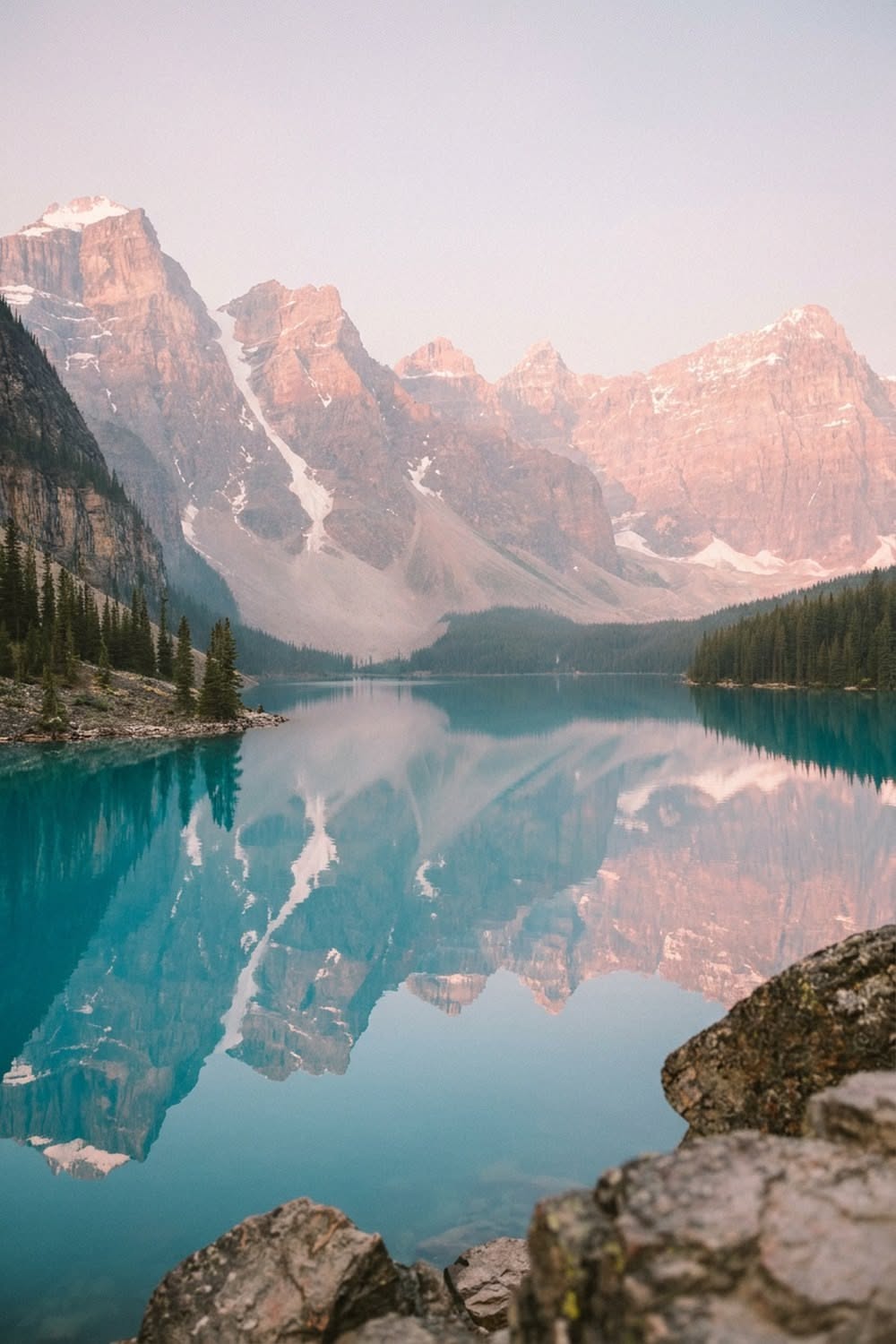
    Tuscany invented a landscape so persuasive it became shorthand for the good life: cypress avenues winding to stone farmhouses, hill towns stacked like paintings, golden light with opinions about dinner. The region rewards slow travel more than almost anywhere in Europe: the correct itinerary is fewer places, longer, with a car and no particular hurry.

    The cities: Florence and Siena

    Florence is the Renaissance filed under one roof after another, Duomo, Uffizi, David, and deserves two or three days of proper attention (book the big museums ahead, climb something at sunset, cross the Arno to the Oltrarno for dinner where Florentines actually eat). Siena, an hour south, is the medieval counterweight: a shell-shaped piazza that hosts the Palio horse race, a striped cathedral, and lanes that have not changed their minds since 1300. See both, then leave the cities: Tuscany’s soul is rural.

    Val d’Orcia: the postcard country

    South of Siena lies the landscape from every screensaver: the Val d’Orcia, a UNESCO-listed sweep of wheat hills, lone farmhouses and the famous cypress-lined roads. Base in or near Pienza (pecorino cheese headquarters) or Montepulciano (wine with its own dignity), and drive the golden hours: the road between San Quirico d’Orcia and the chapel of Vitaleta at sunset is the single most photographed stretch of countryside in Italy, and it earns it daily. May brings green and poppies: late June through July, the golden wheat: autumn, plowed umber and grape harvest.

    Eat and drink like a local landowner

    • Pici pasta: the Val d’Orcia’s hand-rolled thick spaghetti, ideally cacio e pepe or with garlic-tomato.
    • Bistecca alla fiorentina: the monumental shared steak, ordered by weight, never well-done.
    • The wine triangle: Chianti Classico, Brunello di Montalcino, Vino Nobile di Montepulciano: tour one cellar minimum.
    • Pecorino di Pienza with local honey, and cantucci dipped in vin santo to close every dinner.

    Stay in an agriturismo

    The definitive Tuscan accommodation is the agriturismo: a working farm or vineyard with rooms, where breakfast is their own produce and the evening entertainment is a pool overlooking the vines. It costs less than comparable hotels and delivers the exact fantasy the region sells. One rule: book dinner at the farm at least once: the nonna-cooked, wine-included table d’hôte is routinely the best meal of the trip.

    The one-week shape

    Two nights Florence, one Siena, three or four in a Val d’Orcia agriturismo with day loops to Pienza, Montalcino, Montepulciano and the abbey of Sant’Antimo: pick up the rental car only when leaving Florence (cities punish cars: hills require them). Drive slowly, stop often, and accept that you will spend a suspicious amount of the trip parked on gravel shoulders, photographing cypresses: everyone does: it is the regional sport.

    Pin this golden itinerary, and roam more travel guides on Plumeo. Daily wanderlust at @Plumeoblog.
  • Moraine Lake, Banff: Canada’s Impossible Blue

    Moraine Lake, Banff: Canada’s Impossible Blue

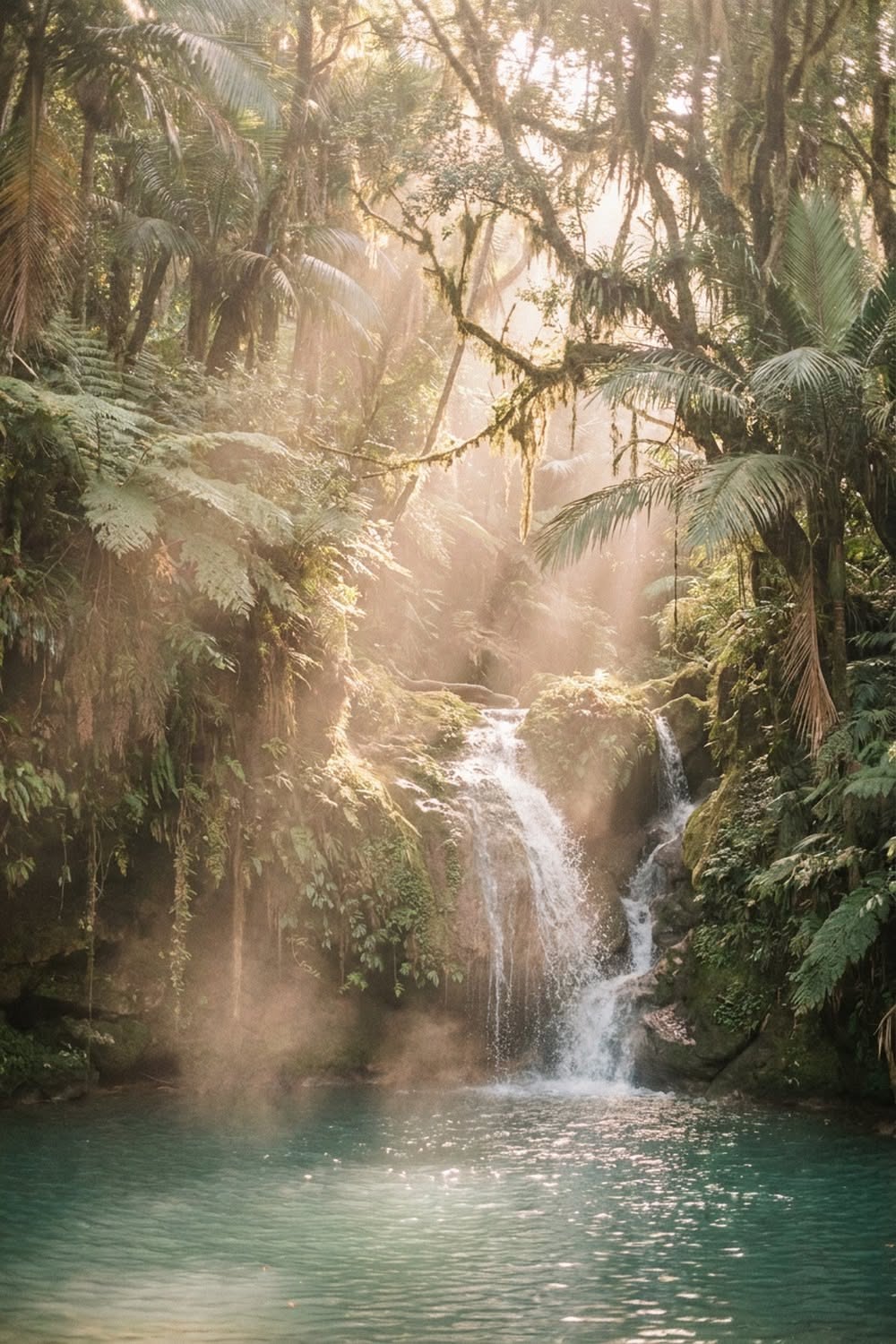
    Moraine Lake is the photo people assume is edited: a bowl of glacier-fed turquoise beneath the Valley of the Ten Peaks, so saturated it once lived on Canada’s twenty-dollar bill. It is real, it is more intense in person, and seeing it now requires knowing one crucial logistical fact before anything else.

    The one thing to know: you cannot drive there

    Personal vehicles are banned from Moraine Lake Road: access is by Parks Canada shuttle (book weeks ahead: reservations open in spring and evaporate), Roam public transit, commercial tours, or bikes for the ambitious. The shuttle from the Lake Louise park-and-ride is efficient and connects to Lake Louise itself, letting you pair both lakes in one day. Sunrise seekers use the early commercial shuttles: expensive, and the single best purchase of the trip.

    Why the water glows

    The color is rock flour: silt ground fine by glaciers, suspended in meltwater, scattering blue-green light. It means the lake is at maximum vividness mid-June through August once the melt fully arrives (the lake is frozen and the road closed roughly October to May: this is strictly a summer show). Overcast days mute it slightly: full sun at midday sets it on fire: and no filter has ever been required in the lake’s recorded history.

    The Rockpile and the sunrise ritual

    The classic view, the twenty-dollar view, is from the Rockpile trail, a ten-minute scramble up the natural dam of glacial debris at the lake’s foot. At sunrise the Ten Peaks catch pink alpenglow over still water while the crowd stands in reverent silence broken only by shutters: it is one of the great alpine mornings anywhere on earth. Bring layers: even August mornings sit near freezing at 1,880 metres.

    On and above the water

    • Canoe the turquoise: rentals at the lodge dock: paddling into the middle of that color is surreal and worth the splurge.
    • Consolation Lakes trail: an easy 6 km return through boulder fields to a quiet alpine valley.
    • Larch Valley and Sentinel Pass: the serious hike: switchbacks to meadows that turn solid gold with larches in late September.
    • Bear smart: this is grizzly country: carry spray, make noise, and heed group-size requirements when posted.

    Building the Banff itinerary around it

    Pair Moraine with Lake Louise the same day (the shuttle connects them), stay in Lake Louise village or Banff town, and give the wider park three or four days: Peyto Lake, the Icefields Parkway and Johnston Canyon all belong on the same trip. September is the connoisseur’s window: thinner crowds, golden larches, and the lake still impossibly, unreasonably blue.

    Pin this Rockies dream, and summit more travel guides on Plumeo. Daily wanderlust at @Plumeoblog.
  • Waterfall Grottos: Earth’s Hidden Turquoise Pools

    Waterfall Grottos: Earth’s Hidden Turquoise Pools

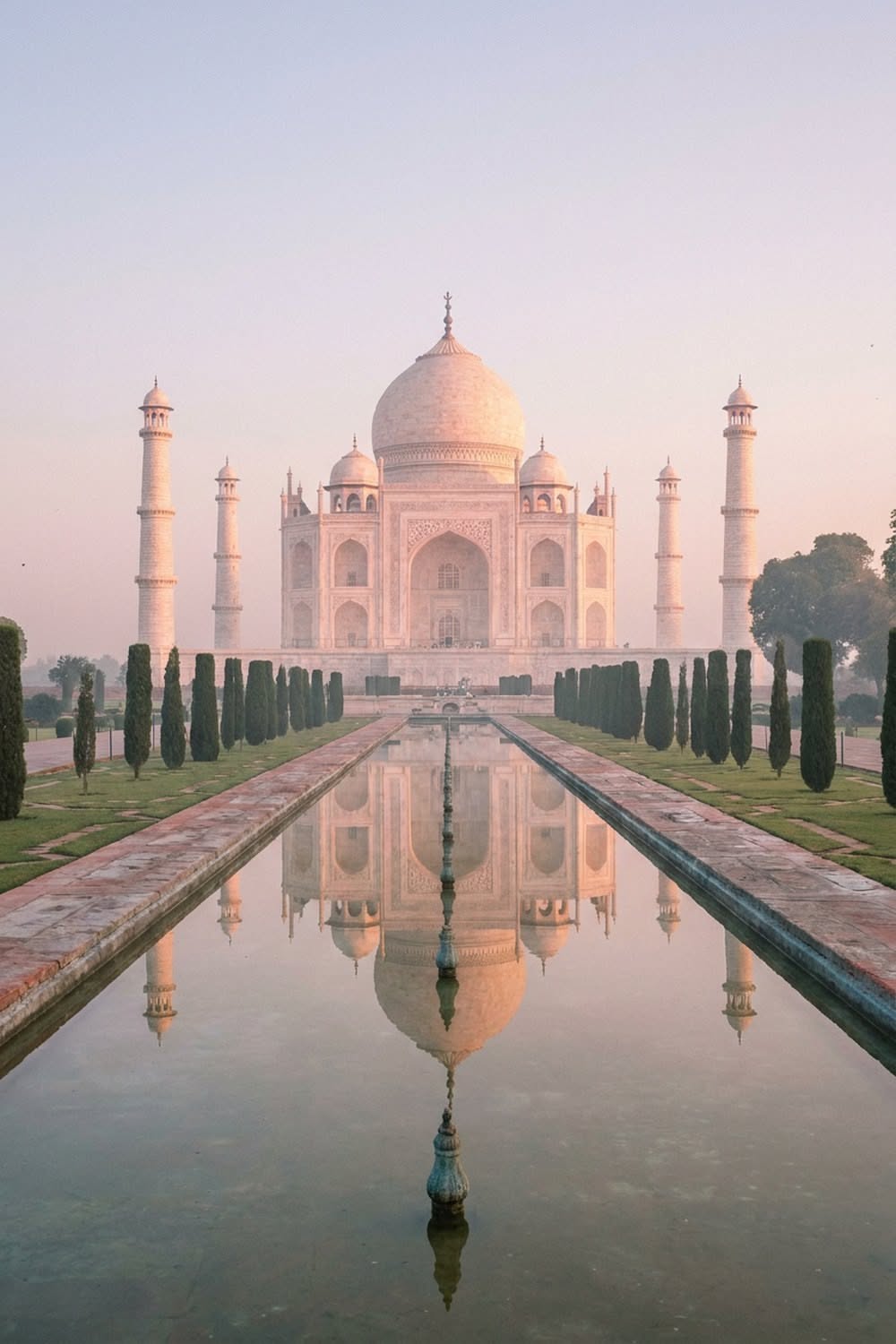
    Few places on earth feel more like a myth than a waterfall grotto: a cave holding a pool of impossible turquoise, a shaft of sun cutting through the dark, water falling somewhere you hear before you see. These places exist on every continent, carved by patient water through limestone and lava, and standing inside one rearranges your sense of what the planet is capable of.

    Where the earth hides its pools

    • Melissani Cave, Kefalonia, Greece: a collapsed cavern roof lets the midday sun turn the lake electric blue while rowboats drift across it.
    • The cenotes of Yucatán, Mexico: sacred Mayan sinkholes: Suytun’s stone platform under a single light shaft, Ik Kil’s hanging vines and cascading rivulets.
    • Grjótagjá, Iceland: a fissure cave of geothermal blue beneath a lava field.
    • Hamilton Pool, Texas: a collapsed grotto where a 15-metre waterfall pours over the cave lip into a jade lagoon.
    • Blue Grotto, Capri, Italy: the classic: sea light refracted until the whole cave glows from below.

    Timing is the whole trick

    Grotto magic is mostly optics: that glow happens when sun angles through an opening and scatters in mineral-rich water, which means each cave has its golden window. Melissani peaks at high noon; Suytun’s beam performs late morning; sea grottos want calm water and low swell. Check the specific cave’s best hour before building the day, and book the first entry slot where tickets exist, these places are small, and silence is half their spell.

    Swim gently

    Where swimming is allowed, the rules protect the very thing you came for: no sunscreen or bug spray in cenotes (rinse first, the ecosystems are closed and fragile), no touching formations that took ten thousand years to grow, life jackets where required without grumbling. Water shoes save feet on cave rock, a dry bag saves the phone, and lowering your voice saves the atmosphere for everyone in the chamber.

    Building a grotto trip

    The Yucatán is the most grotto-dense destination on earth: base in Valladolid and you can reach a dozen cenotes in a few days, crowd-free if you go at opening. In Europe, Kefalonia pairs Melissani with white-pebble beaches, and Capri’s grotto folds into an Amalfi itinerary. Wherever you go, resist the urge to sprint between five caves in a day: one grotto, visited at its perfect hour and left slowly, outshines a checklist every time.

    Pin these hidden pools to your bucket list, and dive into more dreamy travel guides on Plumeo. Daily wanderlust at @Plumeoblog.
  • Taj Mahal at Sunrise: A Bucket List Morning in India

    Taj Mahal at Sunrise: A Bucket List Morning in India

    Some famous places shrink when you finally see them. The Taj Mahal does the opposite. In the first light of morning the white marble takes on colour like a pearl, pink, then gold, then blinding white, and even with other travellers around you the moment feels strangely private.

    Here is how to plan that morning so it goes beautifully.

    Why sunrise is non-negotiable

    The Taj opens before sunrise, and that first hour delivers three gifts at once: soft light on the marble, a thin morning haze over the Yamuna river that makes the dome float, and a fraction of the daytime crowds. By 9am the heat, the queues and the tour groups arrive together. Go early, always.

    Timing your trip

    October to March is the sweet season: cool mornings, clearer skies and comfortable sightseeing. Winter mornings (December and January) bring proper fog, which can be atmospheric or a whiteout, so give yourself two mornings if you can. Note that the Taj Mahal is closed on Fridays, and full moon night viewings are a separate, limited-ticket experience.

    Gates, tickets and the practical bits

    • Buy tickets online in advance and arrive at the gate 30 to 40 minutes before opening.
    • The West Gate is the classic early entry choice; the East Gate is near most hotels and often moves quickly.
    • Large bags, tripods, food and drones are not allowed: carry a phone, a small camera and water.
    • The mausoleum interior is a short, shuffling visit: the magic is mostly outside, so do not stress the queue.

    The viewpoints worth finding

    Everyone photographs the long reflecting pool from the main gate, and you should too. Then move: the mosque platform on the west side catches the sunrise angle across the dome, the raised marble plinth lets you shoot the minarets against clean sky, and the garden’s side avenues give you symmetry without silhouettes. For a different day-two view, Mehtab Bagh across the river faces the Taj at sunset.

    Make a morning of Agra

    After the Taj, breakfast tastes like a reward. Then visit Agra Fort, a sprawling red sandstone palace with its own framed view of the Taj from the marble balconies where Shah Jahan spent his last years. If energy allows, the tomb of Itimad-ud-Daulah, nicknamed the Baby Taj, is a quiet jewel-box of inlay work that most tours skip.

    A story worth knowing before you go

    The Taj Mahal is a tomb built by the Mughal emperor Shah Jahan for his wife Mumtaz Mahal, who died in 1631. It took roughly two decades and some twenty thousand artisans to complete. Knowing that the building is, at heart, a love letter changes how you stand in front of it. Give yourself time to simply sit on a bench and look.

    Save this guide to your bucket list board on Pinterest, and explore more dreamy travel escapes on Plumeo. Daily wanderlust at @Plumeoblog.
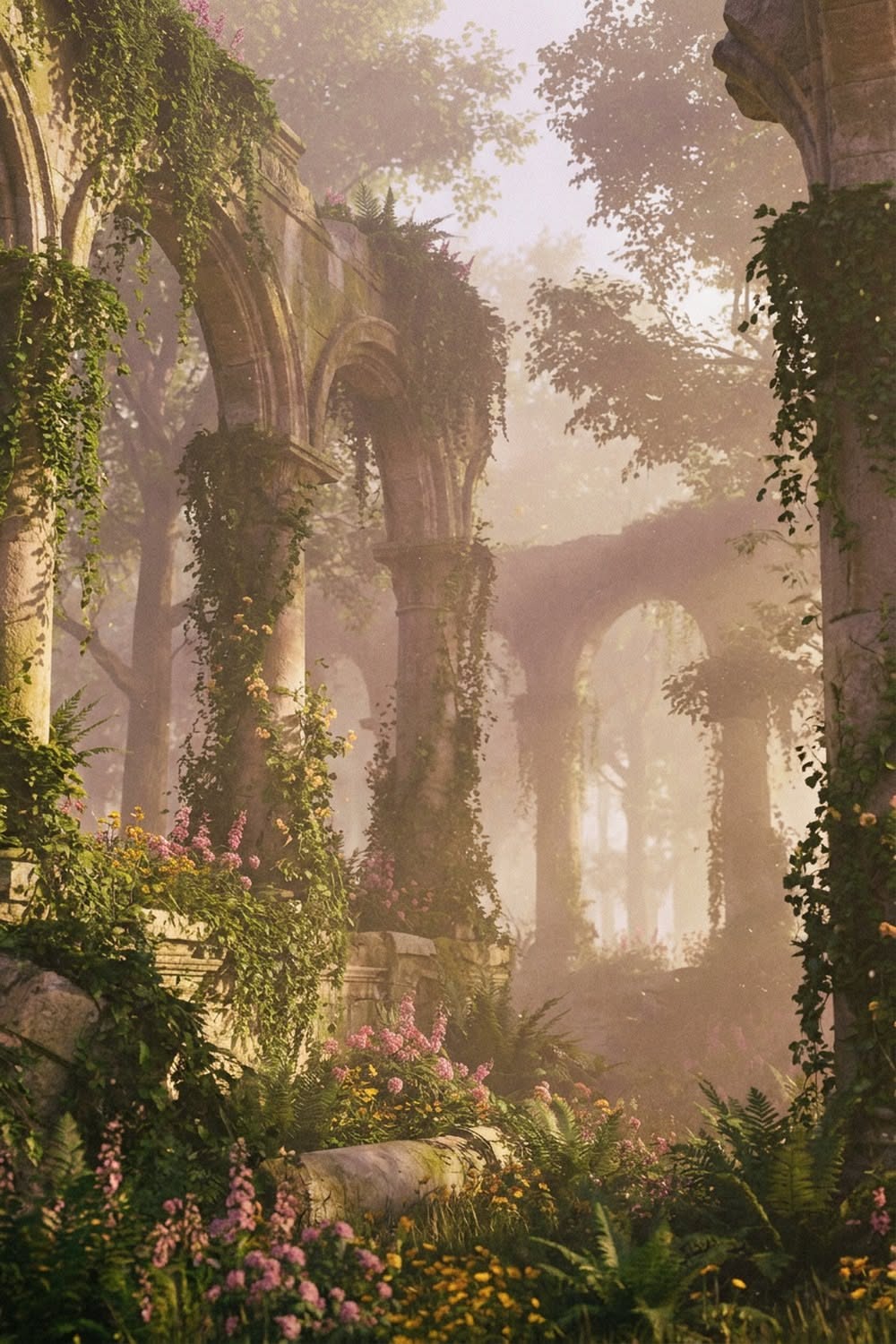
  • Ancient Ruins in the Mist: Mystical Places to Wander

    Ancient Ruins in the Mist: Mystical Places to Wander

    There is a particular kind of travel memory that stays with you forever: standing somewhere very old, very quiet, while mist moves through the stones. Ruins are moving at any hour, but in fog and early light they become something else entirely, half history and half dream.

    If that image speaks to you, here are the places to chase it, plus the practical timing that makes the mist far more likely.

    Machu Picchu, Peru

    The classic for a reason. Cloud forest surrounds the citadel, and in the first hour after the gates open the terraces drift in and out of cloud like a slow reveal. Aim for the first entry slot and the shoulder months of April, May, September or October, when mornings are mistiest and the crowds thinner than peak season.

    Angkor, Cambodia

    Everyone gathers at Angkor Wat for sunrise, but the mystical hour belongs to Ta Prohm and Preah Khan, where strangler figs pour over the walls. Go in the green season, roughly June to October: the moats are full, the stone glows against wet jungle, and morning haze hangs in the corridors.

    Glastonbury Tor and Avebury, England

    England does mist better than almost anywhere. In autumn, Glastonbury Tor famously floats above a sea of fog that locals call the mist of Avalon. An hour away, the stone circle at Avebury lets you walk right up to Neolithic stones with sheep for company. Arrive before sunrise on a clear, cold morning after a mild day: those conditions breed valley fog.

    Bagan, Myanmar and Sukhothai, Thailand

    Thousands of stupas and temple towers scattered across a plain, with morning haze and the occasional hot-air balloon: Bagan at dawn is one of the great travel sights. If logistics make it tricky, Sukhothai Historical Park in Thailand offers a similar early-morning serenity, best explored by bicycle before the heat arrives.

    Delphi and Mystras, Greece

    Delphi hangs on the flank of Mount Parnassus, and in spring and late autumn the clouds often sit below the sanctuary, so you look down on them from the temple terrace. The Byzantine hill town of Mystras nearby in the Peloponnese is far less visited and utterly haunting in low light.

    Tikal, Guatemala

    Sunrise from Temple IV, above a jungle canopy that roars with howler monkeys, is less about seeing the sun and more about hearing the forest wake through the fog. The mist is thickest in the rainy season, May to October, which is also when the site is at its greenest.

    How to give yourself the best chance of mist

    • Go at opening time. Mist burns off fast once the sun climbs.
    • Favour shoulder seasons and mornings after rain or a warm day followed by a cold night.
    • Sites near water, valleys or cloud forest fog up most reliably.
    • Stay the night nearby rather than day-tripping, so dawn is actually reachable.
    • Check official ticketing in advance: dawn slots at famous sites sell out.

    Save this list to your travel board on Pinterest for future trip planning, and wander more dreamy travel escapes here on Plumeo. Daily inspiration lives at @Plumeoblog.

  • Dreamy Paris Cafe Mornings: A Little Guide

    Dreamy Paris Cafe Mornings: A Little Guide

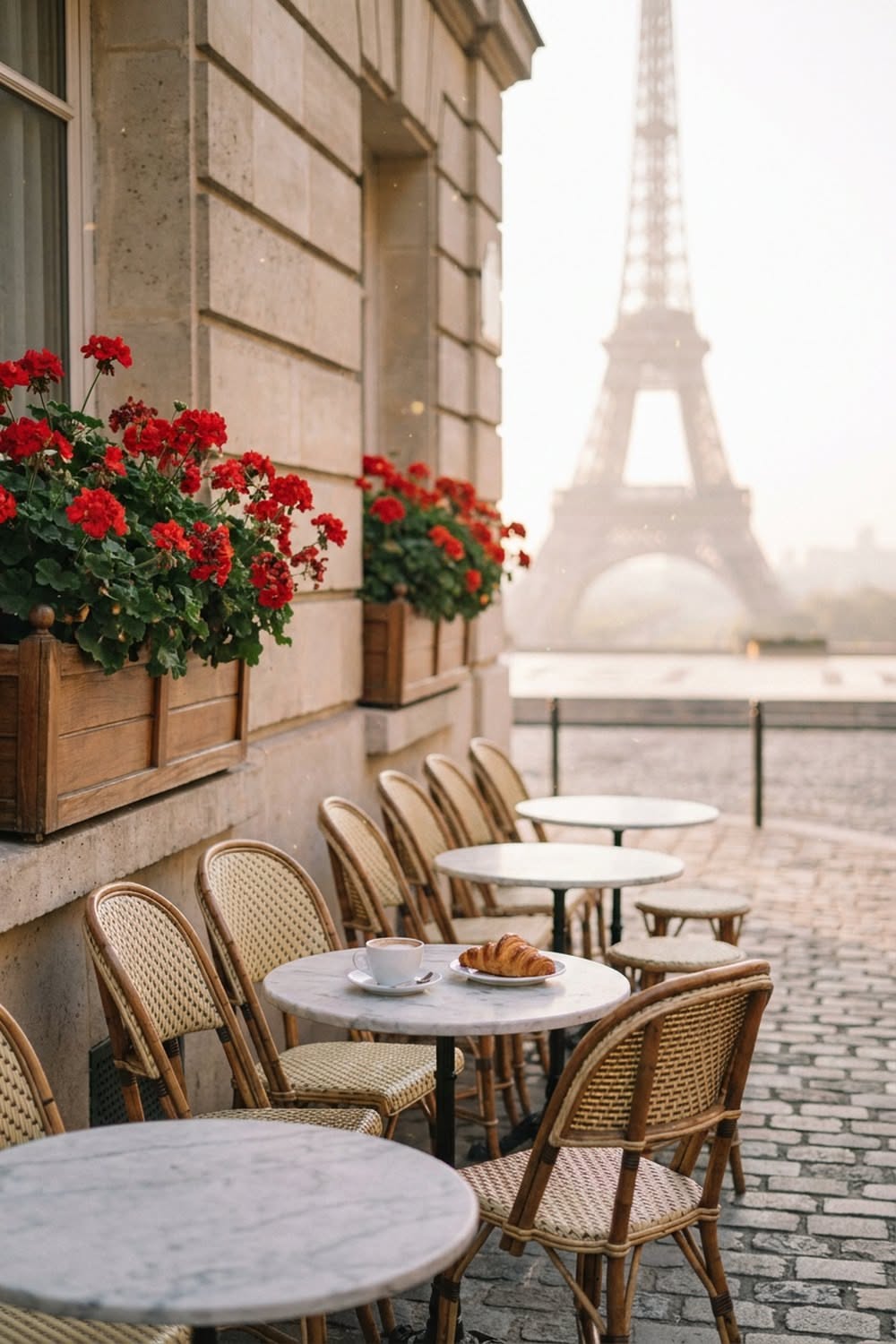
    Paris does many things well, but mornings might be its masterpiece. The city moves slowly before ten: shutters opening, the smell of butter from the boulangerie, rattan chairs facing the street like theatre seats. A cafe morning is the cheapest luxury in Paris, and doing it well is an art you can learn in one trip.

    The ritual, done properly

    Arrive between 8 and 9:30. Choose a terrace seat facing outward, this is non-negotiable, the street is the entertainment. Order un café (an espresso) or un café crème, and a croissant or tartine, bread with butter and jam. Then do nothing. No itinerary, no phone if you can manage it. Twenty unhurried minutes watching Paris wake up will outrank half the museums you planned.

    A tiny etiquette cheat sheet

    • Greet with bonjour before anything else. It genuinely changes the service.
    • Prices can differ between standing at the bar and sitting on the terrace. Terrace is worth it.
    • Nobody will rush you. The bill comes when you ask: l’addition, s’il vous plaît.
    • A cafe creme is a morning drink; after lunch, order espresso like the locals.

    Neighbourhoods for the dreamiest terraces

    Le Marais: narrow streets, morning light and pastry options every fifty metres. Saint-Germain-des-Prés: the storied literary cafes, Café de Flore and Les Deux Magots, touristy but golden at 8am before the crowds. Montmartre: climb early, take a terrace on Rue des Abbesses and watch the village-in-a-city routine. Canal Saint-Martin: the local, unhurried option, all footbridges and morning joggers. The Latin Quarter: student energy, book stalls, and coffee near the Seine.

    Pair your cafe with a small morning ritual

    The best Paris mornings braid three small things together: coffee, a short walk, one beautiful sight. Cafe in Saint-Germain, then a stroll through the Luxembourg Gardens as the chairs come out. Cafe in the Marais, then the Place des Vosges arcades. Cafe near the canal, then a browse of a bookshop as it opens. Keep afternoons for museums; mornings belong to the street.

    Bringing the ritual home

    The Parisian cafe morning is less about Paris than about pace. A small strong coffee, something buttery, a seat facing a window and twenty minutes with nowhere to be: that is replicable anywhere. Consider it the souvenir that costs nothing and lasts longest.

    Save this to your Paris board on Pinterest for your next trip, and find more dreamy travel escapes on Plumeo. Daily inspiration at @Plumeoblog.

  • Cinque Terre Travel Guide: Italy’s Rainbow Coast

    Cinque Terre Travel Guide: Italy’s Rainbow Coast

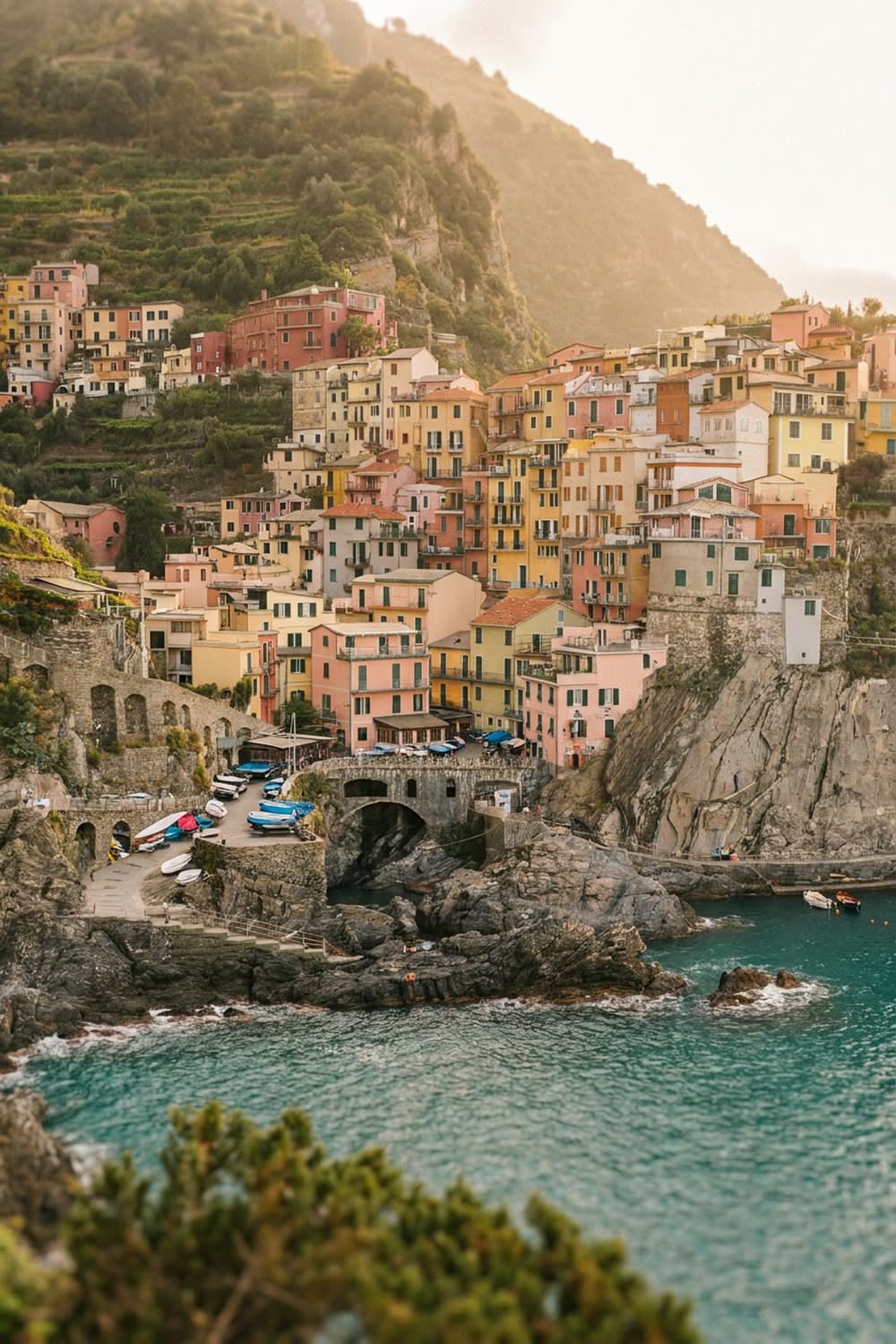
    Five villages cling to the Ligurian cliffs like they were painted on: Monterosso, Vernazza, Corniglia, Manarola, Riomaggiore. Together they are Cinque Terre, a place so photogenic it borders on unfair, and a place that rewards travelers who stay past sunset, when the day-trippers drain away and the villages go back to being fishing towns with unreasonably good pesto.

    Meet the five villages

    • Monterosso: the biggest, with the only real beach: your base if you want sand and space.
    • Vernazza: the beauty queen: a natural harbor, a castle tower, the classic postcard from the trail above.
    • Corniglia: the quiet one, perched high with no harbor and 382 steps: fewest crowds, best wine bars.
    • Manarola: the sunset photo: pastel towers stacked above a swimming cove.
    • Riomaggiore: the workhorse: steep, lively, with the best fried-seafood cones eaten on the harbor rocks.

    Hike the Sentiero Azzurro

    The coastal path linking the villages is the whole point. The Monterosso to Vernazza leg (about 2 hours) is the stunner: olive terraces, cliff edges, and that first view of Vernazza’s harbor from above, one of Italy’s great reveals. Vernazza to Corniglia is nearly as good. Trails require the Cinque Terre Card (which also covers trains), start early for cool air and empty paths, and wear actual shoes: sections are steep, stepped and unforgiving in sandals.

    Eat like a Ligurian

    Pesto was invented in this region: order trofie al pesto at least twice and accept that home versions will never taste the same. Beyond that: anchovies from Monterosso (fresh, lemon-dressed, nothing like the tinned kind), focaccia by the slab, fried calamari in paper cones, and Sciacchetrà, the local honeyed dessert wine from grapes grown on those impossible terraces. Dinner reservations matter in summer: the good rooms are small.

    The logistics that save the trip

    Skip the car entirely: the villages are essentially car-free and parking is a myth. The regional train from La Spezia threads all five in minutes per hop, and summer ferries add a gorgeous sea-level view of the coastline. Stay overnight in one of the villages rather than day-tripping: mornings and evenings, when the light is low and the lanes are quiet, are when Cinque Terre actually belongs to you. Shoulder season, May, June, September, is the sweet spot.

    Save this guide for your Italian coast dreaming, and wander more travel guides on Plumeo. Daily escapes at @Plumeoblog.