Soft-luxury living

Category: food

  • Georgian Khachapuri: The Cheese Boat You Deserve

    Georgian Khachapuri: The Cheese Boat You Deserve

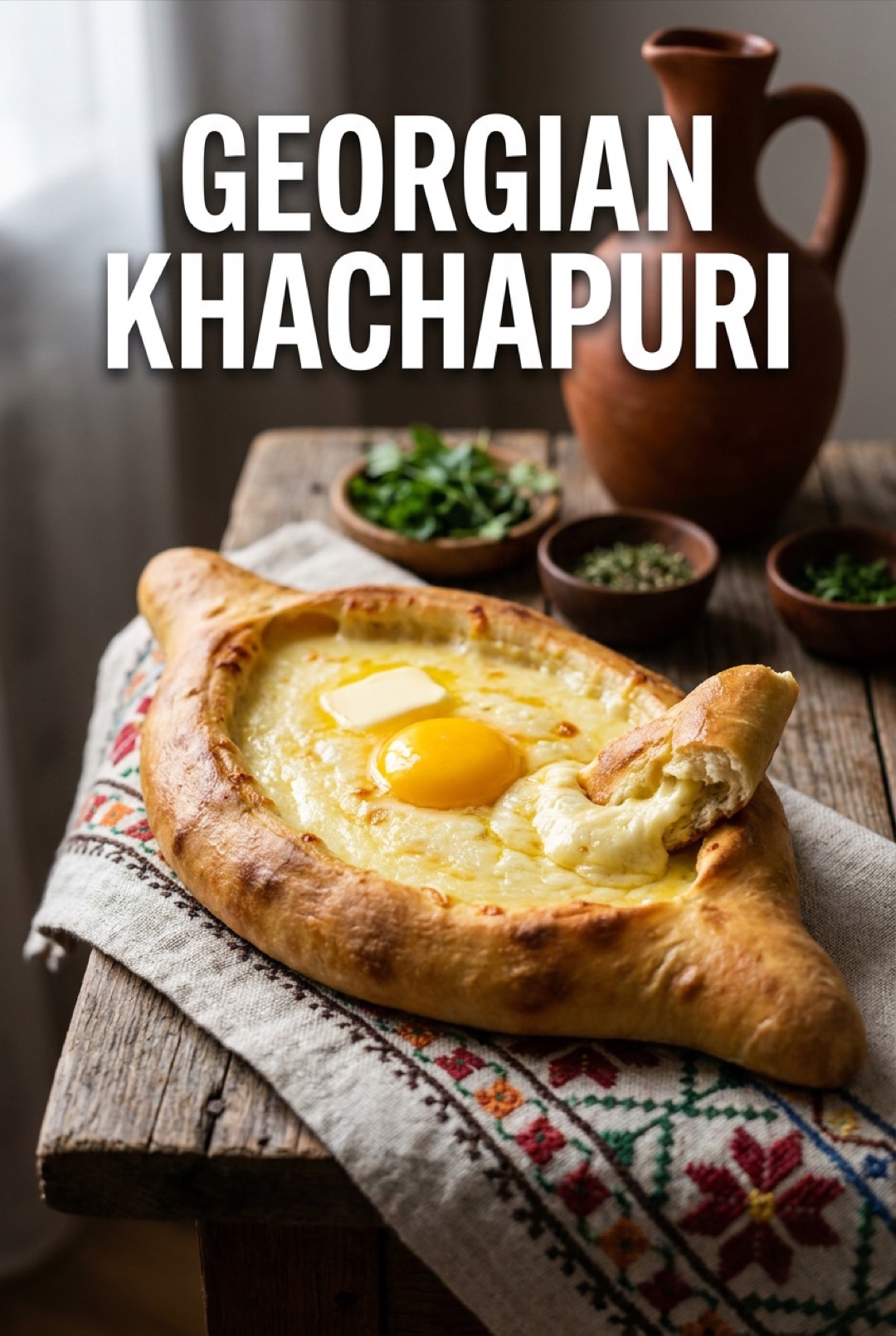
    Khachapuri adjaruli is Georgia’s gift to the cheese-loving world: a soft bread boat holding a lagoon of molten cheese, crowned tableside with a raw yolk and a pat of butter that you swirl into liquid gold. You tear the crusts and dip. It is interactive, indulgent and entirely worth the flour on your shirt.

    The components

    • Dough: a soft, milk-enriched yeast dough, easier to shape than pizza
    • Cheese: traditionally sulguni and imeruli: a mix of low-moisture mozzarella and feta gets remarkably close
    • The finish: one egg yolk and a generous knob of butter per boat

    Shaping the boat

    1. Roll the risen dough into an oval and pile the cheese mix down the middle.
    2. Roll the two long edges inward into rims, and twist the ends into points: a canoe.
    3. Bake hot, 230°C, until the crust is golden and the cheese bubbles, about 15 minutes.
    4. Nestle the yolk and butter into the centre and bake one minute more.
    5. Serve immediately, swirling the yolk and butter through the cheese at the table.

    The swirl is the ceremony

    The yolk should still be glossy when the boat lands: stir it with a fork while the cheese steams and it thickens the pool into custardy, stretchy magnificence. Tear pieces from the pointed ends first, working inward, and accept that the soggy-bottomed middle section, eaten last with a fork, is the connoisseur’s reward.

    A feast tradition

    In Georgia khachapuri anchors the supra, the legendary feast table, alongside herbs, pickles and wine from the world’s oldest winemaking tradition. At home, one boat per two people with a sharp tomato-cucumber salad is a complete and unreasonable dinner. Some foods are engineered for joy: this one has a hull.

    Save this cheese boat, and sail through more world recipes on Plumeo. Daily inspiration at @Plumeoblog.
  • Chicken Shawarma: Street-Style Flavor at Home

    Chicken Shawarma: Street-Style Flavor at Home

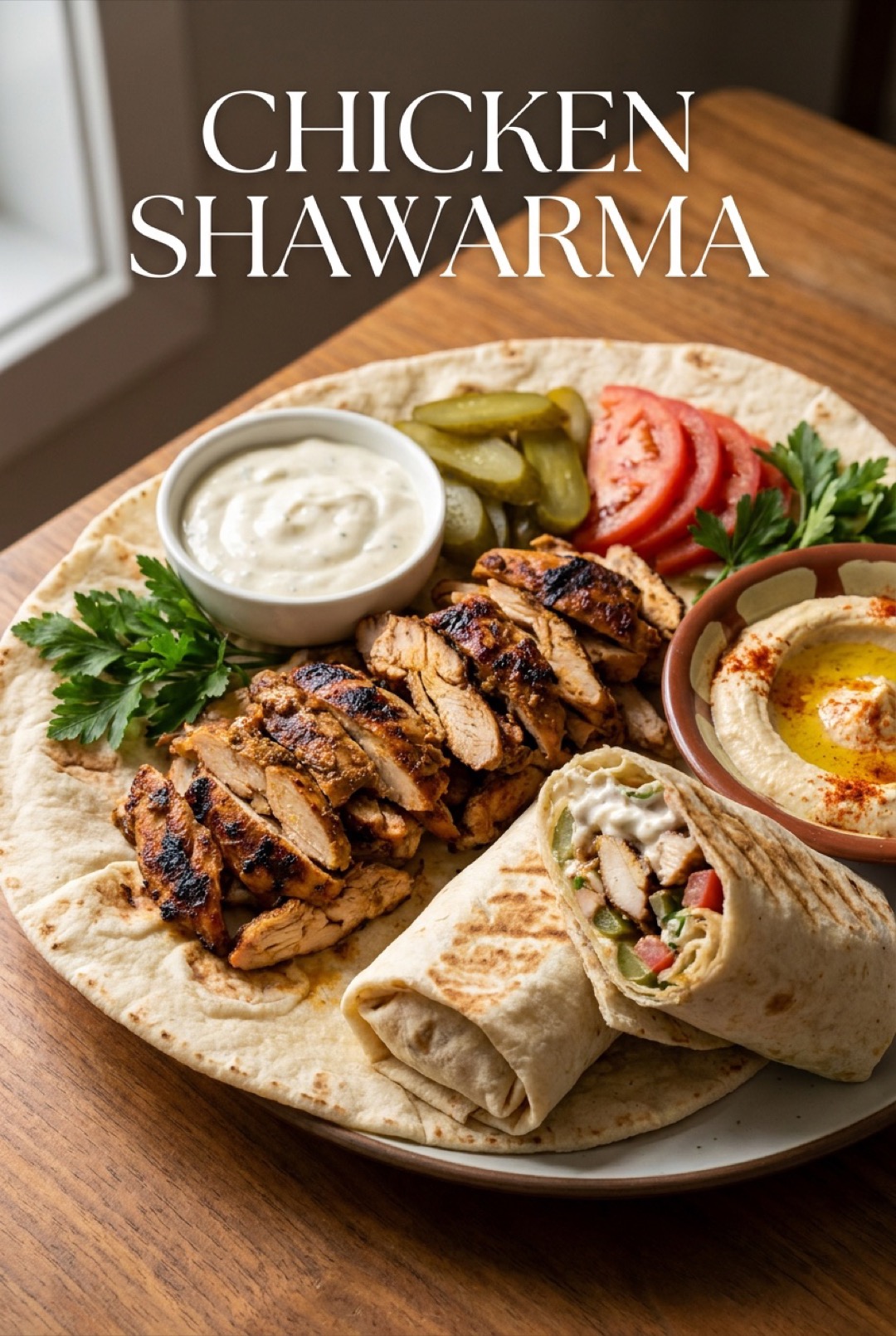
    Shawarma is the Middle East’s greatest street food: ribbons of spice-marinated chicken shaved off a turning spit into warm flatbread with garlic sauce and pickles. No spit at home: no problem. A screaming-hot oven or pan gets you shockingly close, and the marinade does most of the heavy lifting anyway.

    The marinade that makes it

    • Yogurt and lemon juice, the tenderizing base
    • Cumin, coriander, paprika, turmeric and cinnamon
    • Plenty of garlic and a spoon of tomato paste
    • Boneless chicken thighs, always thighs, they char without drying

    Cooking for maximum char

    1. Marinate at least four hours, overnight for the real thing.
    2. Roast the thighs stacked or overlapped in a very hot oven, mimicking the density of a spit.
    3. Rest, slice thin, then crisp the slices briefly in a hot pan for the signature charred edges.
    4. Pile onto warmed flatbread straight away.

    The garlic sauce is half the dish

    Toum, the fluffy Lebanese garlic sauce, is shawarma’s soulmate: garlic, lemon, salt and oil whipped into a cloud. A quick version blends garlic into good mayonnaise with lemon, and nobody at your table will file a complaint. Add crunchy pickles, tomatoes and a shake of sumac, then roll everything tight in the bread.

    Build the full spread

    Shawarma loves company: hummus, tabbouleh, chopped cucumber salad and extra flatbread turn one tray of chicken into a proper feast. The components all keep well, making this one of the best meal-prep dinners in the rotation: marinate on Sunday, and the week improves immediately.

    Save this street classic, and wrap up more world recipes on Plumeo. Daily inspiration at @Plumeoblog.
  • Egyptian Koshari: The Glorious Carb-on-Carb Classic

    Egyptian Koshari: The Glorious Carb-on-Carb Classic

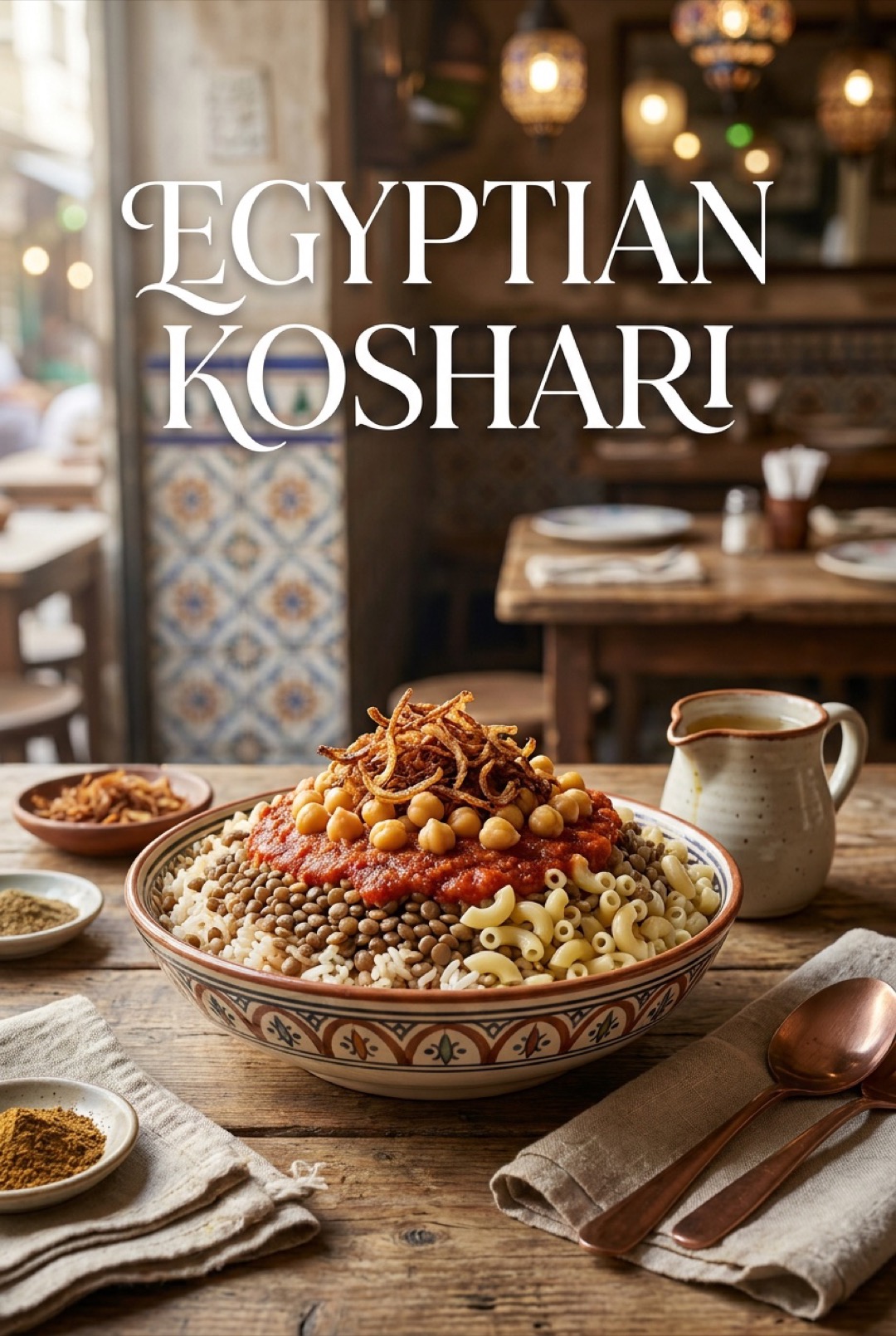
    Koshari is Egypt’s national comfort food and a triumph of humble ingredients: rice, brown lentils and small pasta layered under a garlicky spiced tomato sauce, showered with chickpeas and a glorious heap of crispy fried onions. It sounds chaotic and eats like genius, which is why Cairo has entire restaurants serving nothing else.

    The five layers

    • Rice and brown lentils, cooked together with cumin
    • Small pasta, elbow macaroni or broken vermicelli
    • A spiced tomato sauce with garlic, vinegar and chili
    • Warm chickpeas
    • The crown: deeply crispy fried onions, more than seems reasonable

    The method

    1. Fry sliced onions slowly in oil until deep gold and crisp: set aside on paper.
    2. Cook lentils until just tender, then add rice and cook together in the same pot with cumin.
    3. Boil the pasta separately.
    4. Simmer the tomato sauce with garlic, chili and a splash of the onion oil.
    5. Layer everything in bowls and finish with the dakka: garlic, vinegar and cumin whisked sharp.

    The dakka makes it sing

    The garlic-vinegar sauce, dakka, is koshari’s secret weapon: a few spoonfuls cut through the carbs and tie the layers together with sharp, garlicky brightness. Serve it in a little jug at the table with extra chili sauce, and let everyone tune their own bowl the way Cairo’s koshari houses do.

    Cheap, vegan and magnificent

    Koshari is accidentally vegan, deliberately thrifty and completely satisfying: a full pot costs pennies and feeds a crowd. Everything but the onions keeps well, making it a superb meal-prep bowl, and the leftovers reheat into something arguably better. Egypt figured out comfort food economics a century ago: the rest of us are just catching up.

    Save this street-food legend, and dig into more world recipes on Plumeo. Daily inspiration at @Plumeoblog.
  • Ethiopian Doro Wat: The Deep Red Chicken Stew

    Ethiopian Doro Wat: The Deep Red Chicken Stew

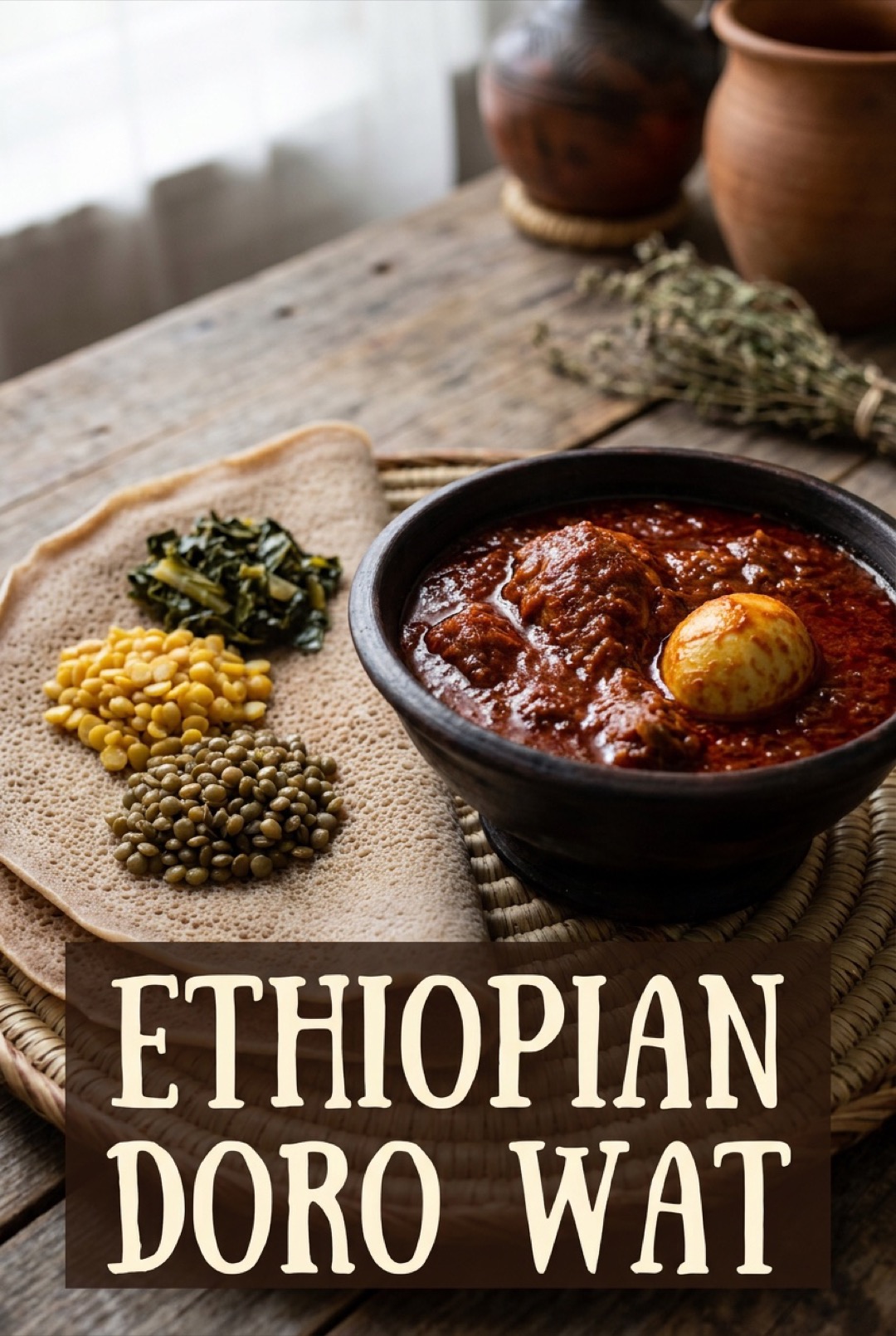
    Doro wat is Ethiopia’s dish of honour: chicken simmered impossibly slowly in a brick-red sauce of berbere spice and an extraordinary quantity of onions, finished with hard-boiled eggs, and eaten by hand with spongy, tangy injera. It is deep, warming cooking that rewards patience with one of the great sauces of the world.

    The two pillars

    • Berbere: the fiery-fragrant Ethiopian spice blend of chili, fenugreek, ginger, cardamom and more, buy a good one or blend your own
    • Onions: a mountain of them, finely chopped, cooked dry at first in the traditional way until deeply sweet
    • Chicken legs, niter kibbeh (spiced clarified butter), garlic, ginger and eggs

    The slow build

    1. Cook the onions slowly, 30 to 45 minutes, until golden and collapsed: this is the body of the sauce.
    2. Add the niter kibbeh, garlic, ginger and berbere: fry until the oil turns red.
    3. Nestle in the chicken with a little water and simmer gently for an hour.
    4. Score the boiled eggs and add them to soak up the sauce in the final 15 minutes.

    Eating it the Ethiopian way

    Injera is plate, cutlery and side dish at once: the stew is ladled onto the flatbread and everyone tears pieces to scoop with. Its gentle sourness against the rich, spicy wat is the entire point. Bought injera from an Ethiopian grocer is excellent: no shame, and honestly better than most first homemade attempts.

    Heat, adjusted honestly

    Traditional doro wat carries serious warmth, but the dish scales gracefully: use less berbere and add a spoon of paprika to keep the colour deep while gentling the fire. What cannot be rushed are the onions: they are the difference between a curry-adjacent stew and true doro wat. Put on music and stir.

    Save this celebrated stew, and simmer through more world recipes on Plumeo. Daily inspiration at @Plumeoblog.

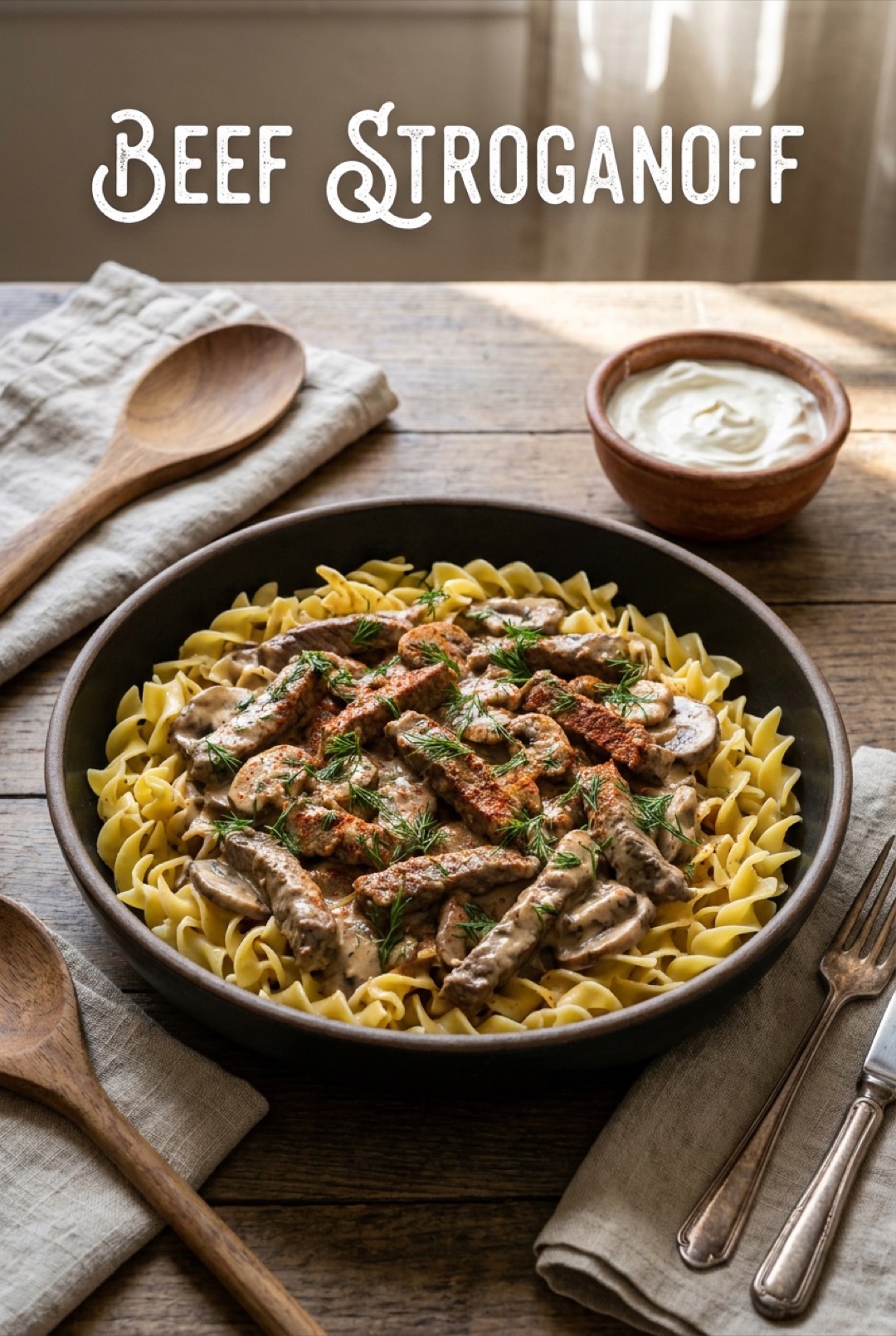
  • Beef Stroganoff: The Creamy Classic Worth Reclaiming

    Beef Stroganoff: The Creamy Classic Worth Reclaiming

    Beef stroganoff has survived a century of cafeteria abuse and still deserves its place among the great comfort dishes: quick-seared strips of beef in a silky sauce of mushrooms, mustard and sour cream, poured over buttered noodles. Done properly, tender beef, real sear, sauce with actual character, it is a thirty-minute masterpiece.

    What you need

    • Sirloin or ribeye, sliced into finger-width strips
    • Mushrooms, thickly sliced, chestnut or a wild mix
    • Onion, garlic, Dijon mustard and a splash of brandy or stock
    • Sour cream and fresh dill
    • Egg noodles tossed in butter

    The method

    1. Sear the beef hard and fast in batches, 60 seconds, and set aside: it finishes later.
    2. Brown the mushrooms properly in the same pan: colour equals flavour.
    3. Soften onion and garlic, deglaze with brandy or stock, and stir in mustard.
    4. Off the heat, fold in the sour cream, then the beef and its juices: warm through gently, never boil.

    The two rules that matter

    Rule one: the beef gets seconds of heat, not minutes, anything more turns strips to shoe leather. Rule two: sour cream never boils, or it splits into grainy disappointment. Respect both and stroganoff rewards you with a sauce that is rich, tangy and glossy, the version the dish’s aristocratic Russian origins actually promise.

    Serving and swaps

    Buttered egg noodles are classic, mashed potato and rice are both loved in different corners of the world, and a scatter of dill plus a final spoon of sour cream finishes the plate. Swap the beef for extra mushrooms and the same technique makes a superb vegetarian stroganoff: the sauce, as ever, is the star.

    Save this creamy classic, and dig into more world recipes on Plumeo. Daily inspiration at @Plumeoblog.
  • Chinese Potsticker Dumplings: Crispy Bottoms, Juicy Hearts

    Chinese Potsticker Dumplings: Crispy Bottoms, Juicy Hearts

    Potstickers are the best of both dumpling worlds: steamed until silky on top, fried until golden and crackling underneath, hiding a juicy pork filling that bursts when you bite. The fry-steam-fry method sounds cheffy and is actually foolproof, one pan, one lid, ten minutes, dumpling glory.

    The filling

    • Pork mince with a good amount of fat
    • Finely chopped napa cabbage, salted and squeezed dry
    • Ginger, garlic, scallions, soy, Shaoxing wine and sesame oil
    • The juiciness trick: beat a few spoons of cold stock into the mix until it turns sticky

    Fold, then fry-steam-fry

    1. Spoon filling onto shop-bought wrappers (zero shame, universal practice).
    2. Fold in half and pleat one side toward the centre: three pleats is plenty.
    3. Fry flat-side down in a slick of oil until the bottoms turn gold.
    4. Add a third-cup of water, clap the lid on, steam five minutes.
    5. Lid off, let the water cook away, and re-crisp the bottoms one final minute.

    The dipping sauce

    Chinese black vinegar with slivered ginger is the classic: add soy, a spoon of chili crisp and a drop of sesame oil and you have the sauce most dumpling houses serve. Make extra, it disappears mysteriously. Eat the dumplings crispy-side up so the bottoms stay crackly until the last one is gone.

    Freeze a battalion

    Dumpling-making is a batch activity: fold fifty, cook twelve, freeze the rest raw on a tray before bagging. They go from freezer to pan with no thawing, just an extra minute of steam. A bag of homemade potstickers in the freezer is one of the most civilised forms of insurance a kitchen can hold.

    Save this dumpling formula, and fold through more world recipes on Plumeo. Daily inspiration at @Plumeoblog.
  • Jamaican Jerk Chicken: Smoke, Spice and Scotch Bonnet

    Jamaican Jerk Chicken: Smoke, Spice and Scotch Bonnet

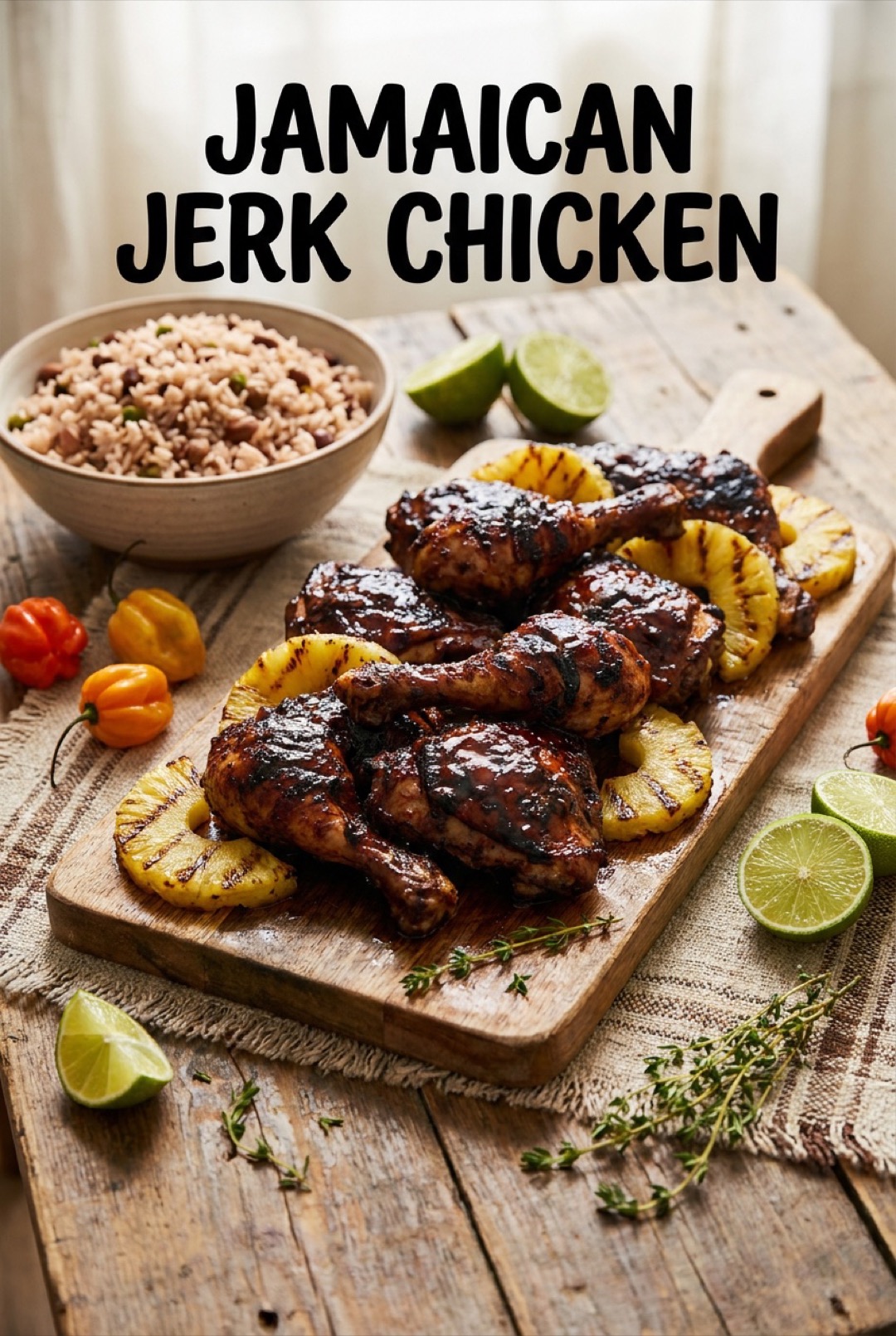
    Jerk is Jamaica’s signature: chicken marinated in a fierce, fragrant paste of scotch bonnet, allspice, thyme and scallions, then grilled slowly over smoke until the outside chars and the inside stays juicy. The flavour is loud, layered and completely addictive, heat, sweetness, smoke and spice in every bite.

    The jerk marinade

    • Scotch bonnet peppers, the fruity heat that defines jerk
    • Allspice (pimento), the soul of the blend
    • Scallions, thyme, garlic and ginger
    • Soy sauce, brown sugar, lime juice and a slick of oil to bind

    Grill or oven

    1. Blend the marinade to a paste and coat chicken legs generously: marinate overnight.
    2. Grill: indirect heat with a handful of soaked wood chips, lid closed, 40 minutes, finishing over the flame for char.
    3. Oven: 190°C on a rack for 45 minutes, then a fierce grill/broil to blister the glaze.
    4. Rest, chop through the bone jerk-shack style, and squeeze lime over.

    Rice and peas, the required partner

    Kidney beans and rice simmered in coconut milk with thyme and a whole scotch bonnet floated on top (fished out before serving) make the classic cooling counterpoint. Add grilled pineapple and a simple slaw and the plate becomes a Kingston Sunday. The gentle coconut sweetness against the fiery chicken is the pairing that made jerk world-famous.

    Handling the heat

    Scotch bonnets are serious: wear gloves, and control the fire by using fewer peppers rather than none, their apricot fruitiness is irreplaceable, even in small amounts. One pepper gives flavour with warmth: three gives the authentic roadside experience. Either way, keep something cold within reach and enjoy the burn.

    Save this island classic, and fire up more world recipes on Plumeo. Daily inspiration at @Plumeoblog.
  • Swedish Meatballs: Cream Sauce Comfort Done Properly

    Swedish Meatballs: Cream Sauce Comfort Done Properly

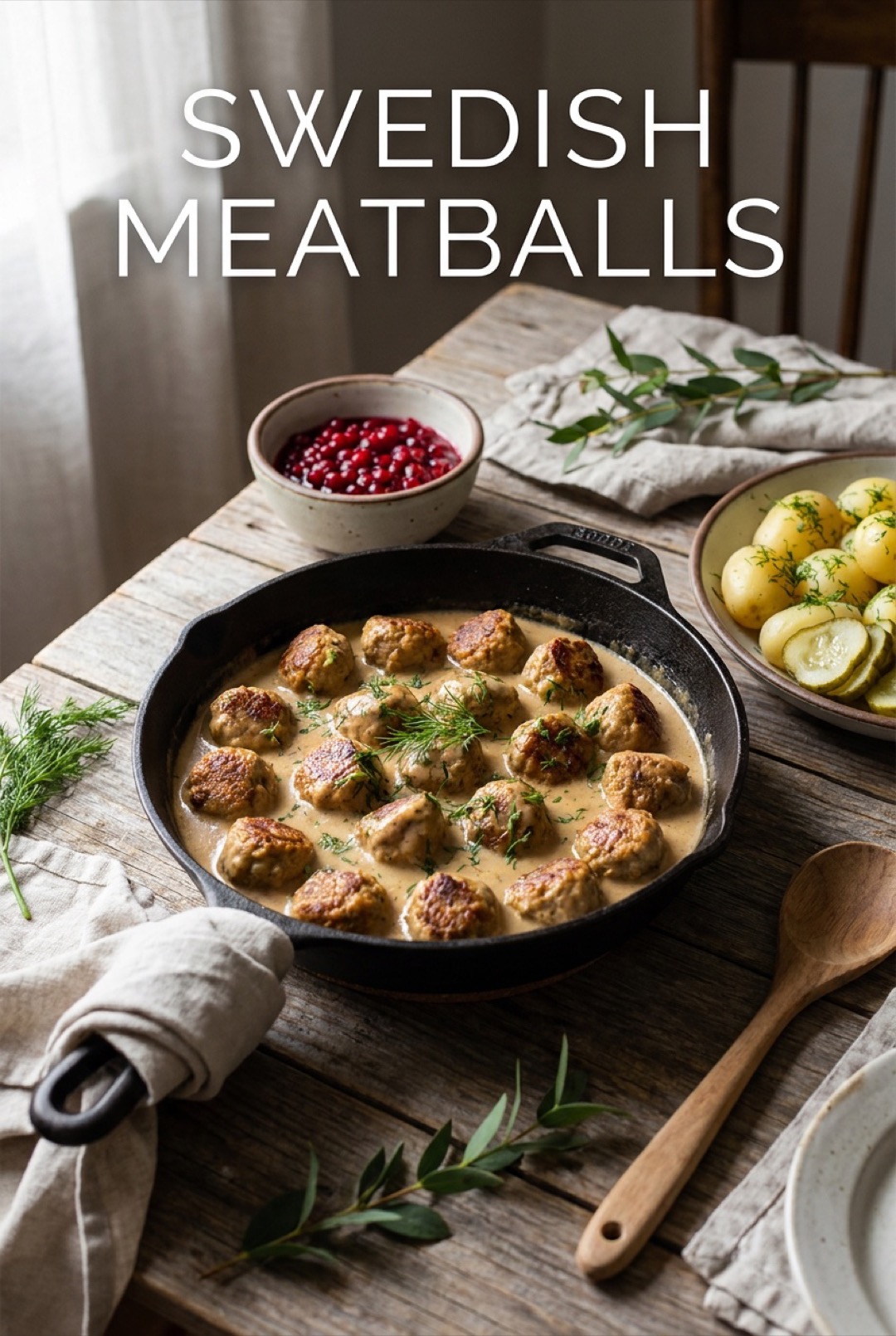
    Swedish meatballs earned their global fame honestly: small, impossibly tender meatballs in a silky cream gravy, brightened by a spoonful of tart lingonberry jam. The furniture-store version is fine: the real thing, made with care and served with buttery dill potatoes, is a hug in food form and a lesson in balance.

    What makes them Swedish

    • A mix of beef and pork for tenderness and flavour
    • Breadcrumbs soaked in milk, the softness secret
    • Grated onion, allspice and a whisper of nutmeg, the signature warmth
    • A gravy of pan drippings, stock, cream and a touch of soy or Worcestershire for depth
    • Lingonberry jam, non-negotiable: cranberry sauce stands in gracefully

    The method

    1. Soak the crumbs, then mix everything gently: overworking makes rubber.
    2. Roll small, walnut-size, with wet hands.
    3. Brown in butter in batches, rolling them around for even colour.
    4. Build the gravy in the same pan: flour into the butter, then stock, then cream.
    5. Return the meatballs and simmer five gentle minutes to finish.

    The sweet-savoury logic

    The dish is engineered as a system: rich gravy, tart jam, fresh dill, sharp pickled cucumber. Each bite gets assembled, a meatball dragged through cream sauce, touched to lingonberry, chased with pickle, and the contrast is why a plate of brown food feels bright. Skip the jam and you have good meatballs: add it and you have Sweden.

    Make-ahead magic

    Meatballs freeze perfectly, cooked or raw, and the gravy comes together in ten minutes, making this one of the great batch-cook dinners. Serve over mashed or boiled potatoes showered with dill, or egg noodles in the diaspora style. Cozy, inexpensive and beloved by every age at the table: no wonder the Swedes exported it.

    Save this cozy classic, and simmer through more world recipes on Plumeo. Daily inspiration at @Plumeoblog.
  • Nasi Goreng: Indonesia’s Smoky Fried Rice Favorite

    Nasi Goreng: Indonesia’s Smoky Fried Rice Favorite

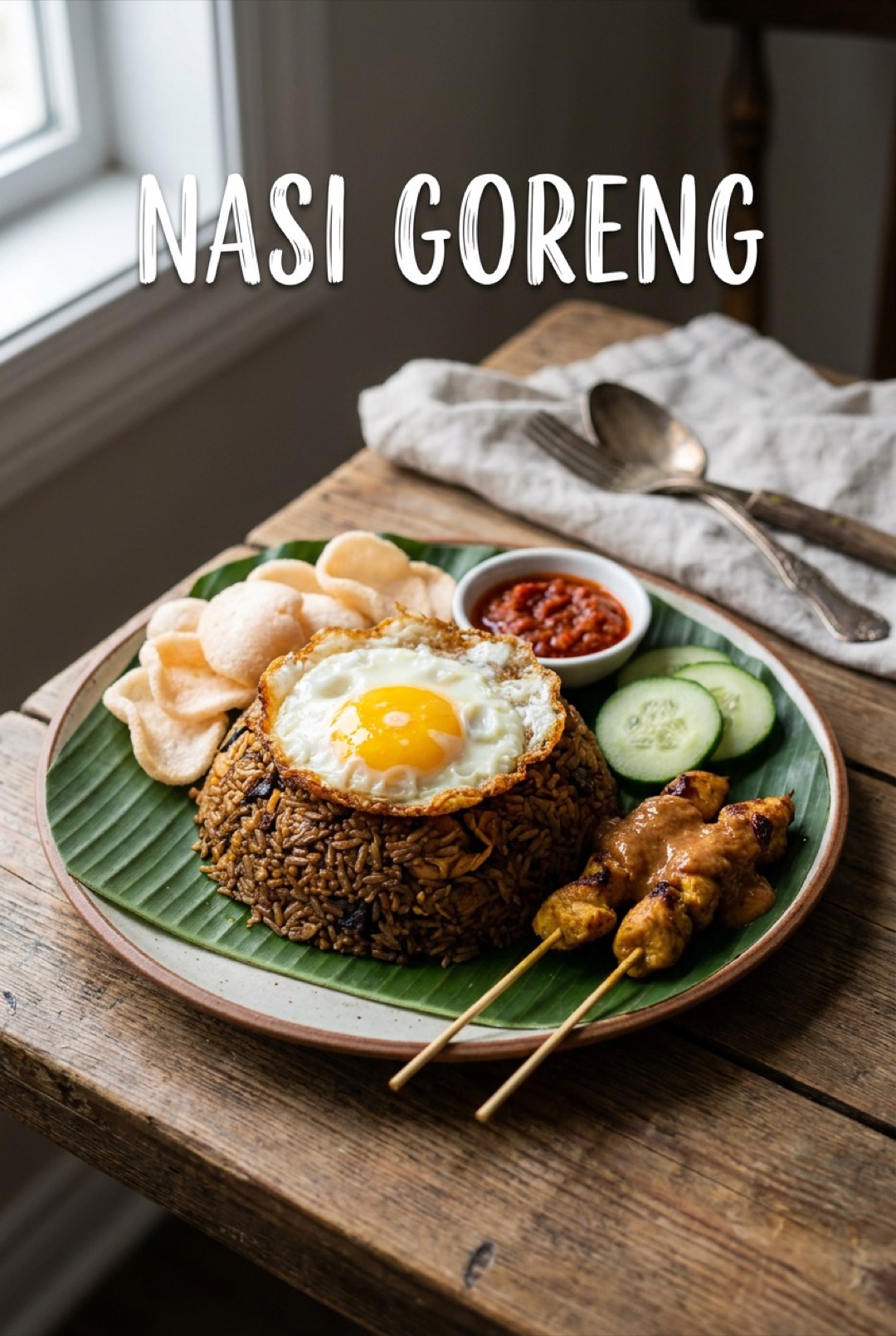
    Nasi goreng, literally fried rice, is Indonesia’s beloved answer to the question of what to do with yesterday’s rice, and the answer involves kecap manis, sambal, high heat and a crispy-edged fried egg on top. Sweet, smoky and gently fiery, it is breakfast, lunch, dinner and midnight food across the archipelago.

    The essentials

    • Day-old rice: chilled, dry and separated, fresh rice steams into mush
    • Kecap manis: the thick, sweet Indonesian soy that gives colour and caramel edges
    • Sambal or chilli paste, to taste and courage
    • Aromatics: shallots, garlic and, traditionally, a little shrimp paste
    • The crown: a fried egg with lacy crispy edges

    Wok in five minutes

    1. Get the wok properly hot: the smoke is the seasoning.
    2. Fry the pounded shallots, garlic and shrimp paste until fragrant.
    3. Add chicken, prawns or tofu and sear quickly.
    4. Tip in the cold rice, breaking clumps, and toss until every grain jumps.
    5. Sauce with kecap manis and sambal, toss hard for one smoky minute, and plate under the egg.

    The garnish is not optional

    What makes nasi goreng a meal rather than a side is the plate dressing: cool cucumber and tomato slices, crunchy prawn crackers, fried shallots, and sometimes chicken satay skewers alongside. The contrast game, hot and cool, soft and crackling, sweet and fiery, is the entire Indonesian philosophy of eating on one plate.

    Make it a habit

    Once the kecap manis lives in your cupboard, nasi goreng becomes the fastest good dinner you know: ten minutes from fridge to plate, endlessly adaptable to whatever protein and vegetables need using. Cook extra rice on purpose tonight, and thank yourself with a smoky wokful tomorrow.

    Save this ten-minute favorite, and stir-fry through more world recipes on Plumeo. Daily inspiration at @Plumeoblog.

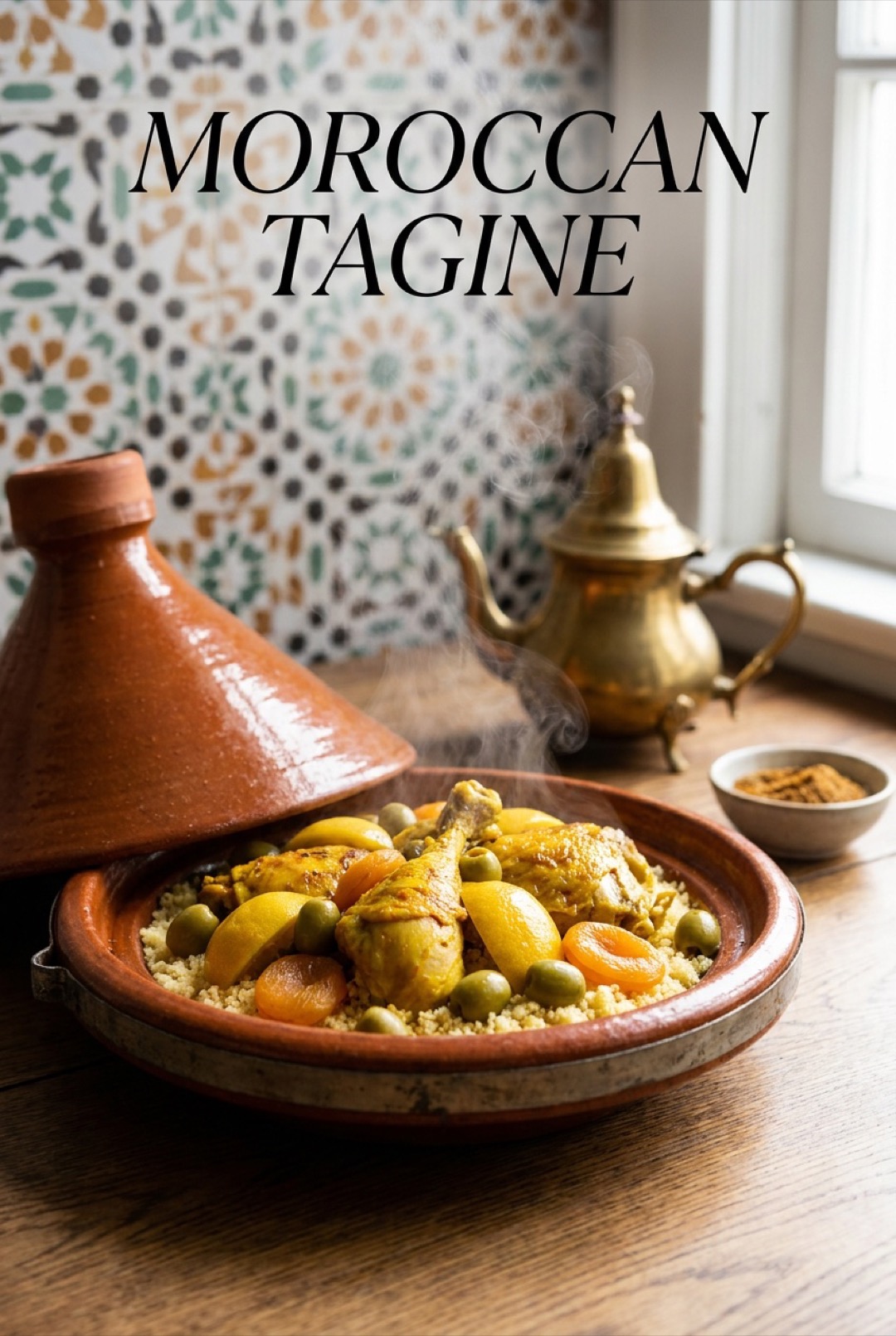
  • Moroccan Chicken Tagine with Preserved Lemon and Olives

    Moroccan Chicken Tagine with Preserved Lemon and Olives

    A tagine is both the cone-lidded pot and the slow, fragrant stew cooked inside it, and Morocco’s most beloved version pairs chicken with preserved lemon and green olives. The cone traps steam and rains it back down, so the chicken practically falls off the bone into a sauce perfumed with ginger, saffron and garlic.

    The flavour builders

    • Chicken thighs, skin-on for flavour
    • Preserved lemons, rind sliced, the non-negotiable signature
    • Cracked green olives
    • Onion, garlic, ginger, turmeric, saffron and a cinnamon stick
    • Fresh coriander and parsley, tied in a bundle

    The method

    1. Brown the chicken in olive oil, then set aside.
    2. Soften grated onion with the spices until it smells like a Marrakech souk.
    3. Return the chicken with a little stock, the herb bundle and cinnamon.
    4. Cover and simmer low for 45 minutes, no peeking: the lid does the work.
    5. Add olives and preserved lemon for the final ten minutes, then reduce the sauce.

    No tagine pot required

    The earthenware cone is beautiful but not essential: a heavy casserole with a tight lid achieves the same gentle, self-basting simmer. What matters is low heat and patience: a tagine should murmur, never boil. If the sauce is thin at the end, lift the chicken out and reduce hard for five minutes.

    Serving it properly

    Serve from the pot at the table with couscous or plenty of crusty bread, khobz style, for mopping. The preserved lemon gives a floral saltiness nothing else replicates, so it is worth buying a jar or preserving your own: they keep for a year and improve everything from roast chicken to salad dressings. Finish with fresh coriander and let everyone fight over the sauce.

    Save this one-pot wonder, and wander through more world recipes on Plumeo. Daily inspiration at @Plumeoblog.