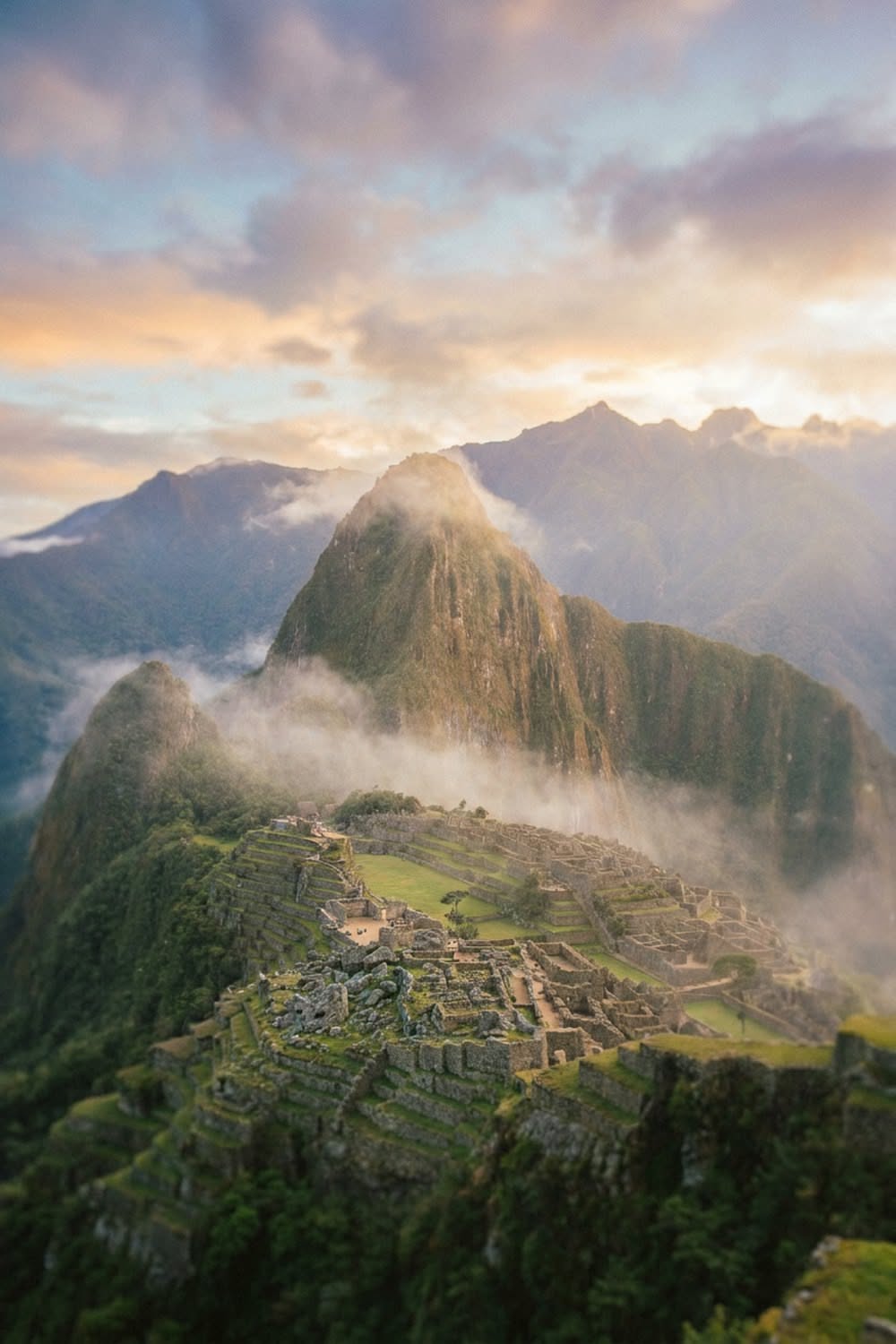
You have seen the photograph a thousand times, and then you stand at the Guardian’s Hut at dawn and realise the photograph never came close. Machu Picchu sits on a knife-edge ridge with cloud forest breathing around it, and in the first hour of morning the mist opens and closes over the stone city like a curtain being drawn for you specifically.
Getting there, simply explained
Fly to Cusco, spend a night or two acclimatising (it sits at about 3,400 metres), then take the scenic train through the Sacred Valley to Aguas Calientes, the town below the ruins. From there, shuttle buses climb to the entrance from before dawn. Sleeping in Aguas Calientes the night before is the single best decision for a sunrise visit.
Tickets and circuits: book early
Entry is by timed ticket on fixed circuits, and daily numbers are capped, so book weeks or months ahead in high season. The classic upper-terrace panorama comes with the first circuits of the day. Add-on hikes are separate limited tickets: Huayna Picchu, the steep peak in every photo, or Machu Picchu Mountain, higher and quieter. Guides are readily available at the gate and genuinely enrich the visit.
When to go
The dry season, May to September, brings the most reliable mornings but the biggest crowds: book everything early. The shoulder months of April and October trade a small rain risk for softer light and thinner crowds, and the mist is often at its cinematic best. The rainy heart of summer (January and February) is lush but soggy, and the Inca Trail closes each February for restoration.
Walking in, if you love a pilgrimage
The four-day Inca Trail remains one of the world’s great walks, ending at the Sun Gate with the citadel spread below, permits sell out months ahead. The Salkantay trek is the wilder, easier-to-book alternative. Short on time? Even the two-hour climb from Aguas Calientes on foot, up the old stone steps, earns you the ruins in a way the bus cannot.
Practical notes that save the day
- Acclimatise in Cusco or the Sacred Valley first: altitude is real. Water, coca tea and a slow first day help.
- Passports are required at the gate; large bags, tripods and drones are not allowed.
- Weather changes by the quarter-hour: bring layers and a light rain shell even in dry season.
- There are no re-entries on most tickets and few facilities inside: eat and hydrate beforehand.
However you arrive, give yourself one unhurried moment on the upper terraces before the day fills in. Five centuries of cloud have drifted over these stones; watching a few of them do it is the whole reason you came.
Save this to your bucket list board, and explore more dreamy travel escapes on Plumeo. Daily wanderlust at @Plumeoblog.