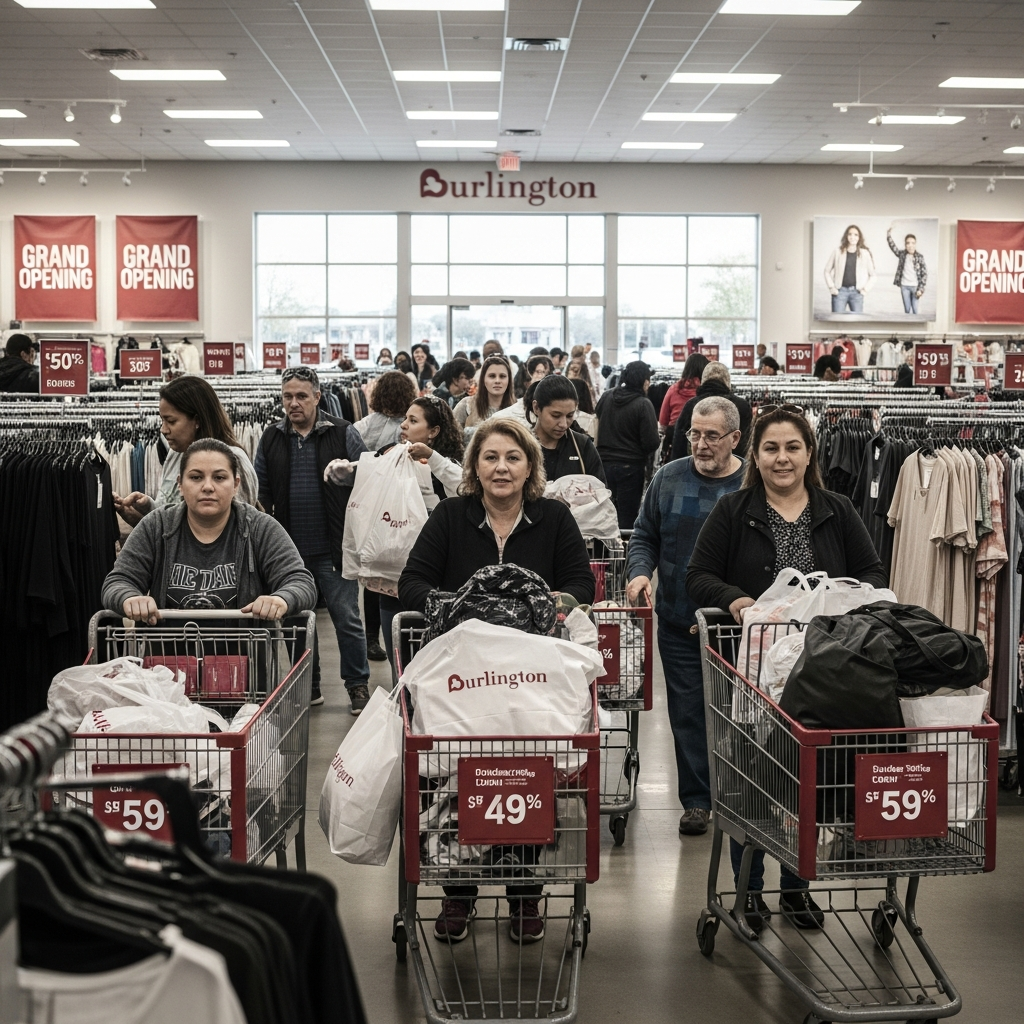
In an era where the retail apocalypse narrative still commands headlines, one sector continues to quietly—and immensely profitably—defy the odds. Off-price retail isn’t just surviving the digital age; it is experiencing a full-blown renaissance. At the epicenter of this sartorial boom is Burlington Stores, a company currently orchestrating a masterclass in scale, strategy, and consumer psychology. Under the razor-sharp leadership of CEO Michael O’Sullivan, the nation’s third-largest off-price retailer is rewriting the rules of the fashion landscape, announcing a staggering 110 new store openings this year alone. This isn’t just corporate growth; it is a hostile takeover of the American wardrobe.
The New Era of Off-Price Fashion
Gone are the days when off-price shopping was considered a fashion faux pas, a secret whispered only among budget-conscious suburbanites. Today, the thrill of the hunt is a cross-demographic, viral phenomenon. Savvy consumers—from Gen Z TikTok trendsetters hauling vintage finds to established luxury buyers mixing high and low—are flocking to off-price racks in search of hidden gems. O’Sullivan understands this psychological shift with surgical precision.
The modern shopper doesn’t merely want a discount; they crave the dopamine hit of discovering a coveted designer piece at a fraction of its retail cost. Burlington’s unprecedented 110-store expansion isn’t merely about increasing square footage across the country; it is about capitalizing on this massive cultural pivot toward smart, accessible, and gamified style. By placing physical touchpoints in high-traffic corridors, Burlington is ensuring that the modern treasure hunt is always within arm’s reach.
O’Sullivan’s Masterclass in Differentiation
Navigating an off-price market dominated by entrenched titans like TJX Companies and Ross Stores requires far more than just aggressive real estate acquisition. It demands a razor-sharp, distinct brand identity. Since taking the helm, O’Sullivan has aggressively transformed Burlington, shedding its legacy as a dusty, seasonal coat emporium to emerge as a dynamic, multi-category fashion destination.
He has ruthlessly streamlined inventory, tightened the supply chain, and elevated the visual merchandising strategy to ensure the racks feel meticulously curated rather than overwhelmingly cluttered. This strategic differentiation is the powerful engine driving Burlington’s record-breaking growth. By offering a sharper, more trend-responsive product mix, Burlington is actively bleeding market share away from traditional department stores that have long lost their sartorial edge. O’Sullivan isn’t just competing with other off-pricers; he is targeting the entirety of the mid-tier fashion market.
The Agility of the Supply Chain
You simply cannot scale to 110 new brick-and-mortar locations in a single fiscal year without a bulletproof, highly reactive supply chain. The genius of the off-price model lies in its unparalleled agility. While traditional fashion retailers are locked into rigid buying cycles six to nine months in advance, Burlington operates with predatory patience.
O’Sullivan’s buying teams are empowered with the capital and authority to swoop in and purchase excess inventory, canceled orders, and brand overruns from premium labels at the exact moment the market fluctuates. This liquidity allows Burlington to constantly inject fresh, high-quality fashion into its stores on a weekly basis, keeping the consumer’s treasure hunt perpetually exciting. In a volatile macroeconomic climate, where inflation and shifting consumer habits spell disaster for bloated legacy brands, this operational flexibility isn’t just a competitive advantage—it is the absolute pinnacle of retail evolution.
What This Means for the Future of Retail
Burlington’s aggressive, contrarian bet on brick-and-mortar is a glaring signal to the rest of the fashion industry: physical retail is far from dead, provided the value proposition is undeniably magnetic. As e-commerce giants grapple with skyrocketing customer acquisition costs and the nightmare of return logistics, Burlington is proving that consumers will still eagerly leave their homes to shop if the payoff is worth the trip.
O’Sullivan’s vision for Burlington is a masterstroke in the democratization of fashion. By bringing premium style to the masses at an unprecedented scale, he is forcing legacy retailers to urgently reconsider their pricing architectures, their inventory models, and their fundamental relationship with the modern consumer. As the doors open on these 110 new locations, the message from Burlington is crystal clear: the future of fashion belongs to the fast, the flexible, and the fiercely competitive.
Original Reporting: wwd.com