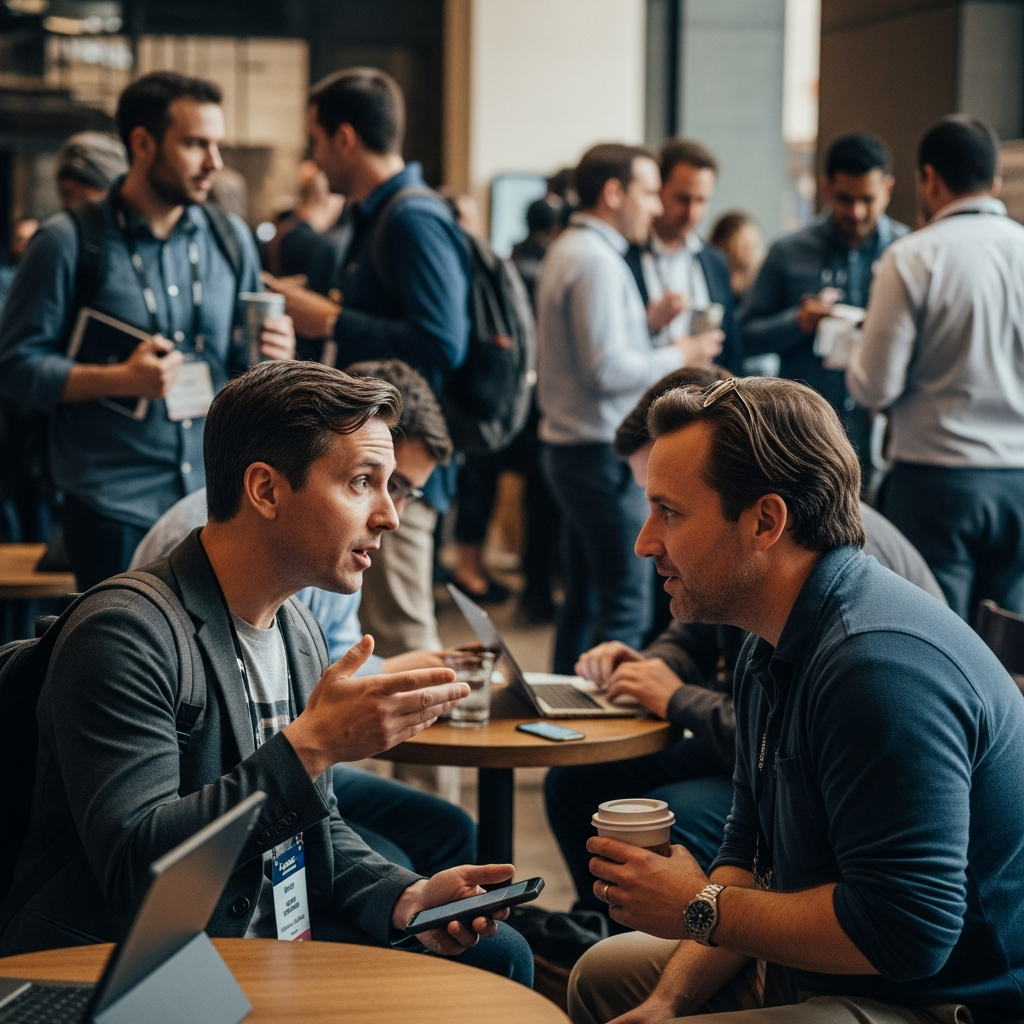
For the last half-decade, a familiar refrain has echoed through the boardrooms of Sand Hill Road and the sleek co-working spaces of SoHo: South by Southwest is over. The narrative was easy to buy into. The festival had become too corporate, too bloated, and too distracted by mega-brand activations to serve its original purpose as a launchpad for the next big thing. But if this year’s gathering in Austin proved anything, it is that the tech intelligentsia was dead wrong. SXSW hasn’t just survived the post-pandemic shift in conference culture—it has ruthlessly evolved.
Shedding the chaotic, consumer-heavy excess of the 2010s, SXSW has quietly rebounded as the premier, high-signal networking crucible for founders and venture capitalists. The festival didn’t just bounce back; it grew up. And for the tech elite, this maturation has transformed a week of exhausting parties into the most lucrative deal-making stretch of the fiscal year.
The Evolution from Chaos to Curation
To understand the renaissance of SXSW, you have to look at what is no longer there. Gone are the days when consumer social apps hoped to recreate the mythological breakout moments of Twitter or Foursquare by plastering Sixth Street with guerrilla marketing. The towering, multi-million-dollar Doritos vending machines have been replaced by something far more valuable: intimacy.
This year, the real action migrated away from the massive convention center floors and into curated, hyper-targeted micro-events. Founders and investors traded wristbands and mega-lines for private dinners, invite-only salon discussions, and off-the-record mezcal tastings. By dialing back the sheer volume of noise, the festival inadvertently created a high-friction, high-reward environment. If you were in the room this year, you were supposed to be there. For the tech sector, which is currently suffering from digital fatigue and the hollow interactions of LinkedIn networking, this physical curation is worth its weight in term sheets.
Why VCs Are Writing Checks in Austin Again
Venture capital is currently sitting on record amounts of dry powder, yet partners remain fiercely protective of their capital in a punishing macroeconomic climate. The era of the Zoom pitch and the blind, FOMO-driven investment is dead. Today’s VCs require a vibe check—a tangible, in-person assessment of a founder’s grit, agility, and vision. Austin provides the perfect backdrop for this psychological vetting.
Investors flocked back to SXSW this year because serendipity has a measurable ROI. A scheduled thirty-minute pitch in a sterile Silicon Valley office rarely reveals how a founder handles pressure, reads a room, or articulates a pivot. But a spontaneous, hour-long debate over breakfast tacos at The Driskill? That is where conviction is built. VCs reported a drastic increase in the quality of deal flow this year, noting that the founders who made the pilgrimage to Texas were serious, prepared, and focused on sustainable business models—particularly in AI infrastructure, defense tech, and enterprise SaaS—rather than fleeting consumer trends.
The Founder’s Perspective: High ROI in a Tight Market
For founders, the calculus of attending SXSW used to be a gamble. It was an expensive endeavor with a notoriously low conversion rate for actual funding. This year, however, the sentiment on the ground was overwhelmingly bullish. The entrepreneurs who navigated the new SXSW effectively treated it less like a marketing expense and more like a strategic strike.
Founders reported that the barrier to entry for meaningful conversations with top-tier capital allocators was surprisingly low, provided they knew where to look. With the tourists and the “wantrepreneurs” largely priced out or distracted by the entertainment tracks, the tech track became a concentrated hub of operators. The conversations were sharper, the feedback was immediate, and the follow-up meetings were booked before flights even departed Austin-Bergstrom. For a seed-stage founder, the ability to bypass the traditional associate-level gatekeepers and speak directly to a general partner at a side-stage mixer is an unparalleled advantage.
The Verdict: A Necessary Maturation
The nostalgia for the scrappy, chaotic SXSW of the early 2000s is misplaced. The tech industry is no longer a niche subculture; it is the engine of the global economy. It is only fitting that its premier gathering space matured alongside it.
SXSW has successfully transitioned from a megaphone for consumer launches into a sophisticated marketplace for ideas and capital. By embracing curation over crowd size, and strategic alignment over sheer spectacle, the festival has cemented its relevance for the next decade. For founders building the next generation of category-defining companies, and the VCs desperate to fund them, Austin in March is no longer optional. It is the room where it happens.
Original Reporting: techcrunch.com