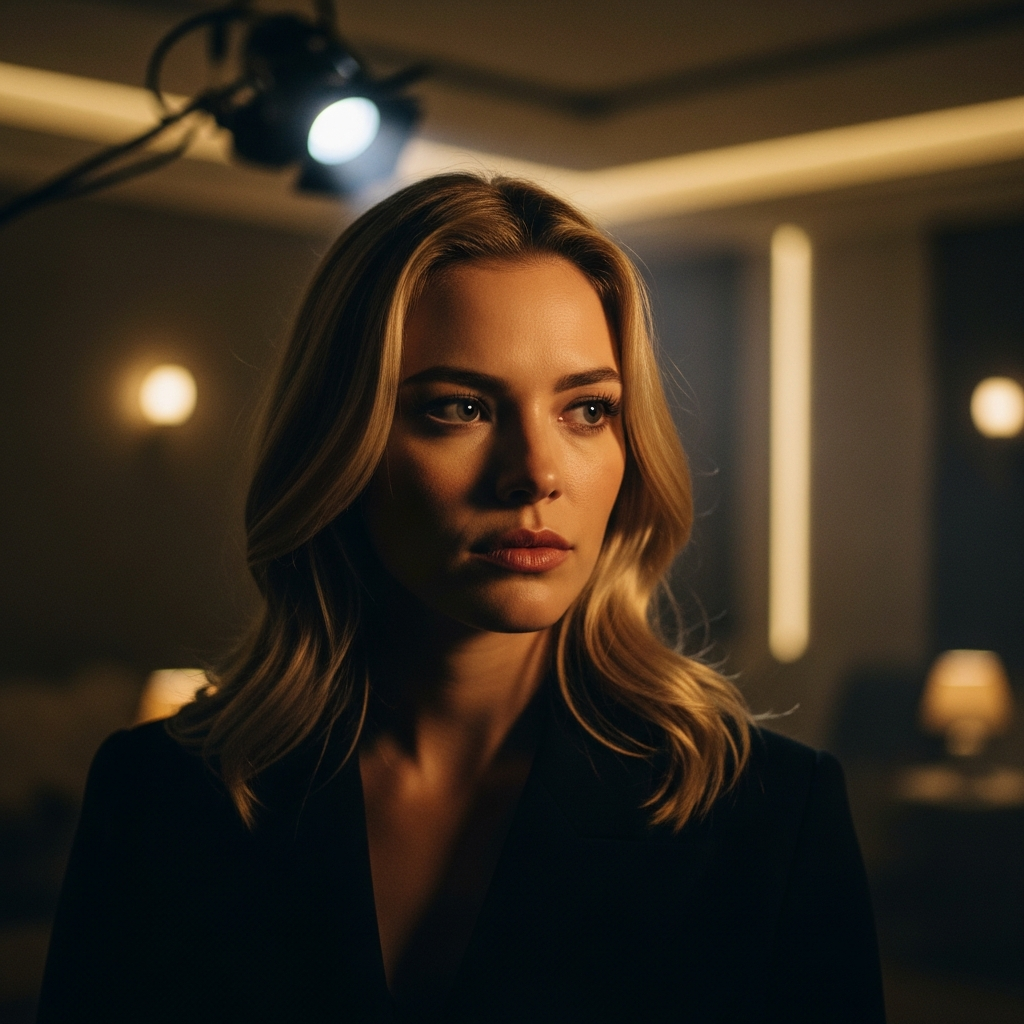
There is a specific, undeniable thrill that ripples through the entertainment industry when established artists decide to burn their own rulebooks. We are witnessing exactly that with the announcement of Strung, a new psychological thriller that has just been crowned the opening night feature for the 30th annual American Black Film Festival (ABFF) in Miami Beach. Starring multi-hyphenate powerhouse Chloe Bailey and directed by box-office titan Malcolm D. Lee, the project is already sending shockwaves through the indie and mainstream film circuits alike. And for good reason: this is not the movie anyone expected from either of them.
A Master of Comedy Steps Into the Shadows
To understand the sheer magnitude of Strung, we first have to look behind the camera. Malcolm D. Lee is Hollywood royalty when it comes to the modern Black ensemble comedy. He is the auteur who gave us the cultural juggernaut Girls Trip and the beloved The Best Man franchise. Lee has spent decades perfecting the art of the laugh, mastering the delicate alchemy of timing, heart, and commercial viability.
But with Strung, Lee is trading punchlines for paranoia. History tells us that when elite comedy directors pivot to psychological terror, the results can be genre-defining—look no further than Jordan Peele’s seismic shift with Get Out or Zach Cregger’s unhinged masterpiece Barbarian. Comedic directors possess an innate understanding of tension; they know exactly how to build an audience’s anticipation before delivering the final blow. By stepping into the psychological thriller space, Lee is signaling a bold, dark evolution in his filmmaking repertoire. He isn’t just dipping his toes into a new genre; by securing the opening slot at ABFF’s milestone anniversary, he is kicking the door off its hinges.
High Society, High Stakes: Unpacking the Paranoia
The premise of Strung reads like a deliciously twisted fever dream. Bailey steps into the role of a prodigious violinist who lands a highly coveted position as a music tutor for a wealthy, enigmatic family. What begins as a prestigious career opportunity rapidly deteriorates into a psychological battle for her own safety and sanity.
There is a rich, cinematic tradition of utilizing classical music as a backdrop for psychological unraveling—think of the obsessive, blood-stained pursuit of perfection in Black Swan or the suffocating power dynamics of Tár. The elite, insulated world of classical music is inherently rigid, making it the perfect setting to explore themes of control, isolation, and fractured realities. Add the layered dynamics of class and race that inevitably surface when an outsider is brought into the fold of an “enigmatic, elite family,” and Strung promises a narrative fraught with social friction and sheer, unadulterated suspense. We are looking at a film that will likely weaponize the pristine veneer of wealth to hide something deeply grotesque.
The 30th Anniversary of ABFF: A Stage Like No Other
Context is everything in the festival circuit. The American Black Film Festival is not just an event; it is a vital cultural institution. For three decades, ABFF has served as the premier launching pad for Black cinema, championing voices that Hollywood routinely overlooked. Opening the 30th anniversary edition in Miami Beach is a staggering honor, reserved only for films that capture the current zeitgeist while pushing the culture forward.
By selecting a psychological thriller to set the tone for this historic milestone, the festival’s organizers are making a definitive statement about the future of Black cinema. It is a declaration that Black narratives are no longer confined to traditional dramas or broad comedies; they are expansive, terrifying, cerebral, and limitless.
Chloe Bailey’s Leading Lady Metamorphosis
At the center of this impending cinematic storm is Chloe Bailey. The transition from music superstar to legitimate screen actor is a graveyard of failed attempts, but Bailey has navigated it with surgical precision. From her nuanced work in Grown-ish to her critically acclaimed, scene-stealing turn in Donald Glover’s visceral series Swarm, Bailey has consistently proven she has the emotional bandwidth to tackle complex, messy characters.
Strung, however, is the ultimate litmus test. Anchoring a psychological thriller requires a grueling level of emotional endurance. Bailey must chart a course from ambitious artist to a woman pushed to the absolute brink of madness. If the logline is any indication, this role will strip away the polished pop-star aesthetic, demanding a raw, visceral performance that could easily redefine her career trajectory.
As the industry descends upon Miami Beach this summer, all eyes will be on the screen when the lights dim for Strung. It is a film built on risk—a director stepping out of his comfort zone, an actress taking on her darkest role yet, and a festival celebrating thirty years of boundary-pushing art. If Lee and Bailey can pull this off, they won’t just have a festival hit on their hands; they will have orchestrated the most captivating cinematic symphony of the year.
Original Reporting: variety.com